
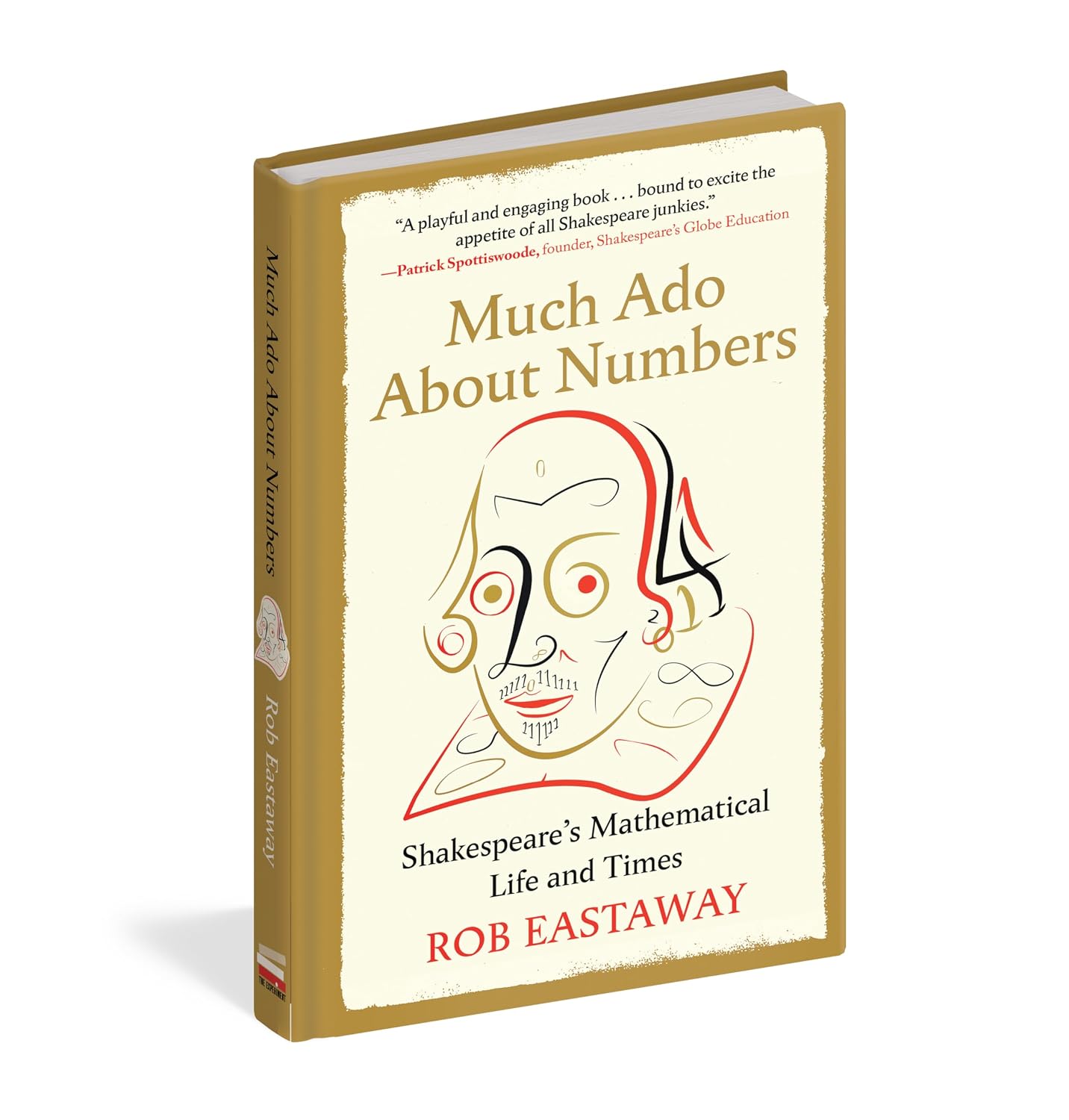
I had the Shakespeare talk with a class the other day. Why do high school students read Shakespeare? Why do high school students study algebra or other advanced mathematics that they likely won’t use in life? As a high school ELA teacher, I understand both of those queries, but am only able to empathize with one of them. However, they both have the teachable aspect as to why they’re taught and what students can learn from both of them. Much Ado About Numbers: Shakespeare’s Mathematical Life and Times is a surprisingly fun book that combines both subjects and adds some history for good measure.
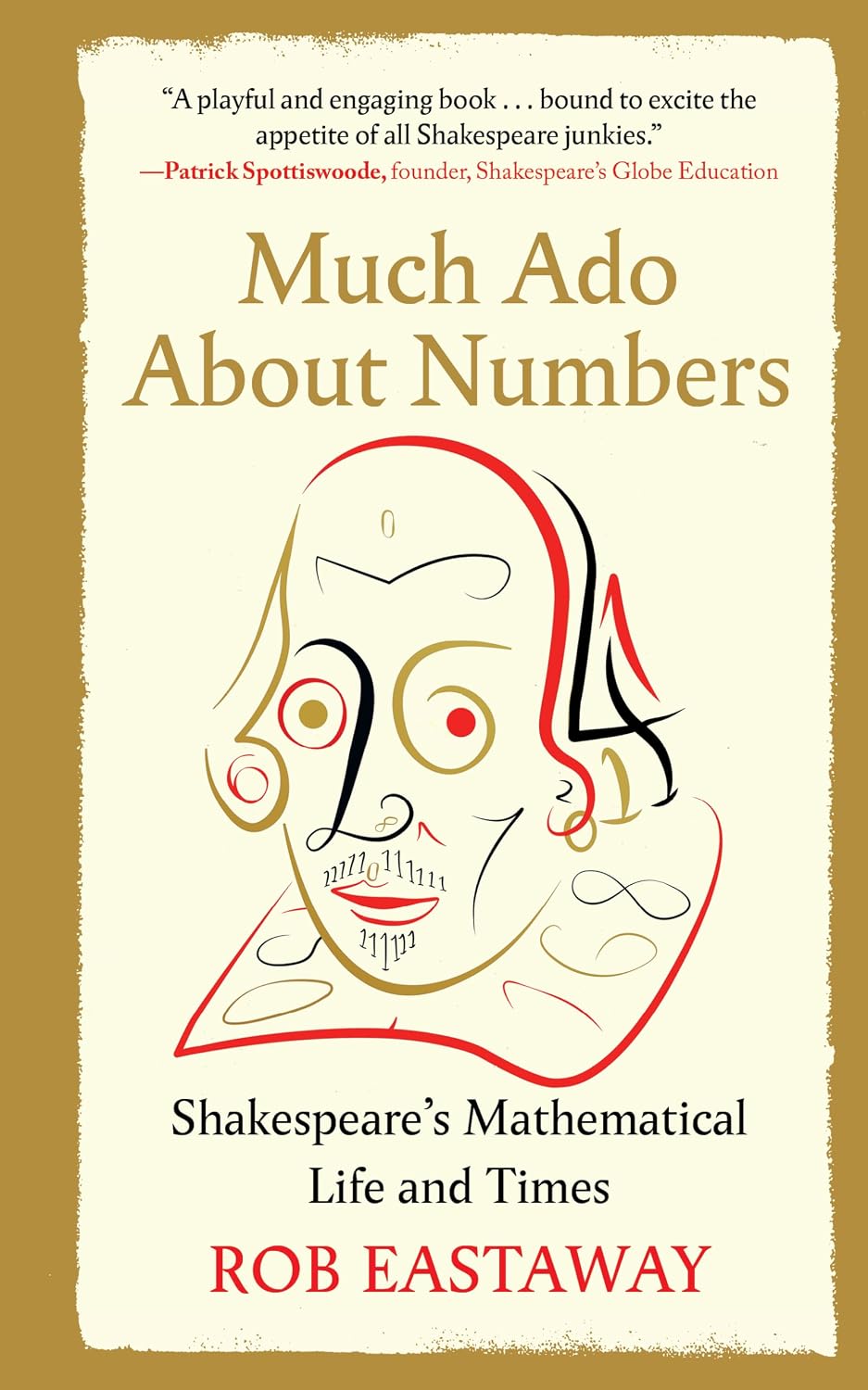
There’s enough in the book’s title to scare away accidental readers, but it’s not scary. For those who give Much Ado About Numbers a chance, it’s a fascinating time capsule about life in the 16th century. It’s not entirely about the Bard, not wholly about numbers either, but weaves parallels and connections between them that can interest anyone who loves trivia and facts.
I’m not here to sell you on Shakespeare. If you’re older than high school you probably grudgingly read Macbeth, saw one of the film versions of Romeo & Juliet, and swore off those funny-talking plays. Shakespeare is taught for a reason. His plays are in prose and use archaic vocabulary, but the lessons are still relevant today. During your high school years, it’s that feeling of confusion and not knowing the answers that makes it worth reading. Can you overcome something that you momentarily don’t understand and work past it? With the assistance of a teacher, can your brain process something that’s not the way you expect it to be? Are you coachable or teachable?
If you shut down and don’t open yourself, then you’re not coachable. You also probably barely passed high school ELA and struggled through math. I was like that in high school. I would openly tell the teachers that this story was hundreds of years old, nobody speaks like this anymore, and that there are more efficient ways to communicate. My high school teachers needed to read Much Ado About Numbers. The high school ELA teachers that I work with now have asked about the book and stated that they’d enjoy reading it.
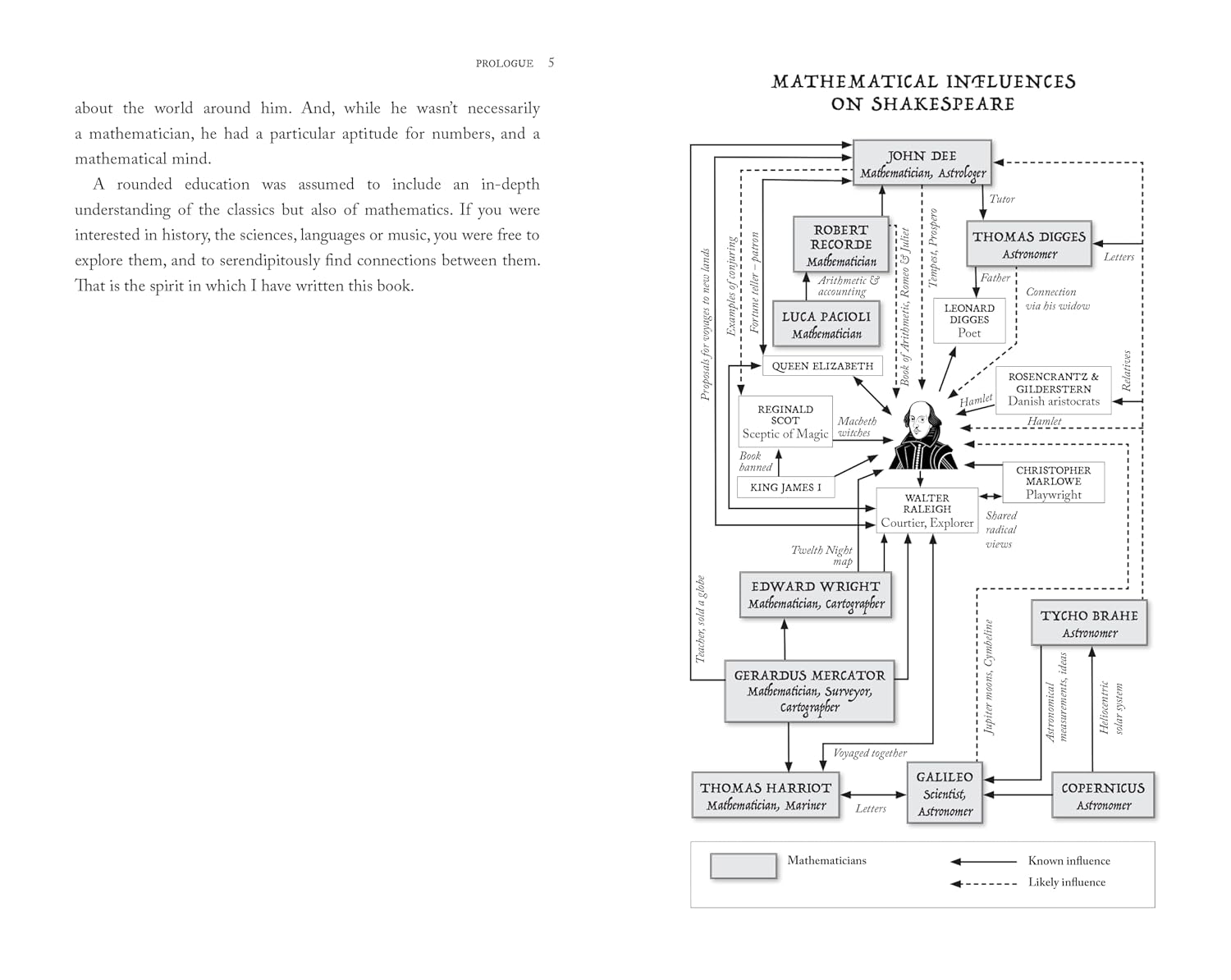
They’re just seeing the Shakespeare in the book. What was money worth in the time of the Bard? How much did he get paid relative to laborers, teachers, or noble classes? When did the Gregorian calendar really start to impact Great Britain? Did magic play a role in real-life in the 1500s? How did people purchase large-ticket items, like a house, when banks didn’t exist and a massive amount of coins would’ve been required?
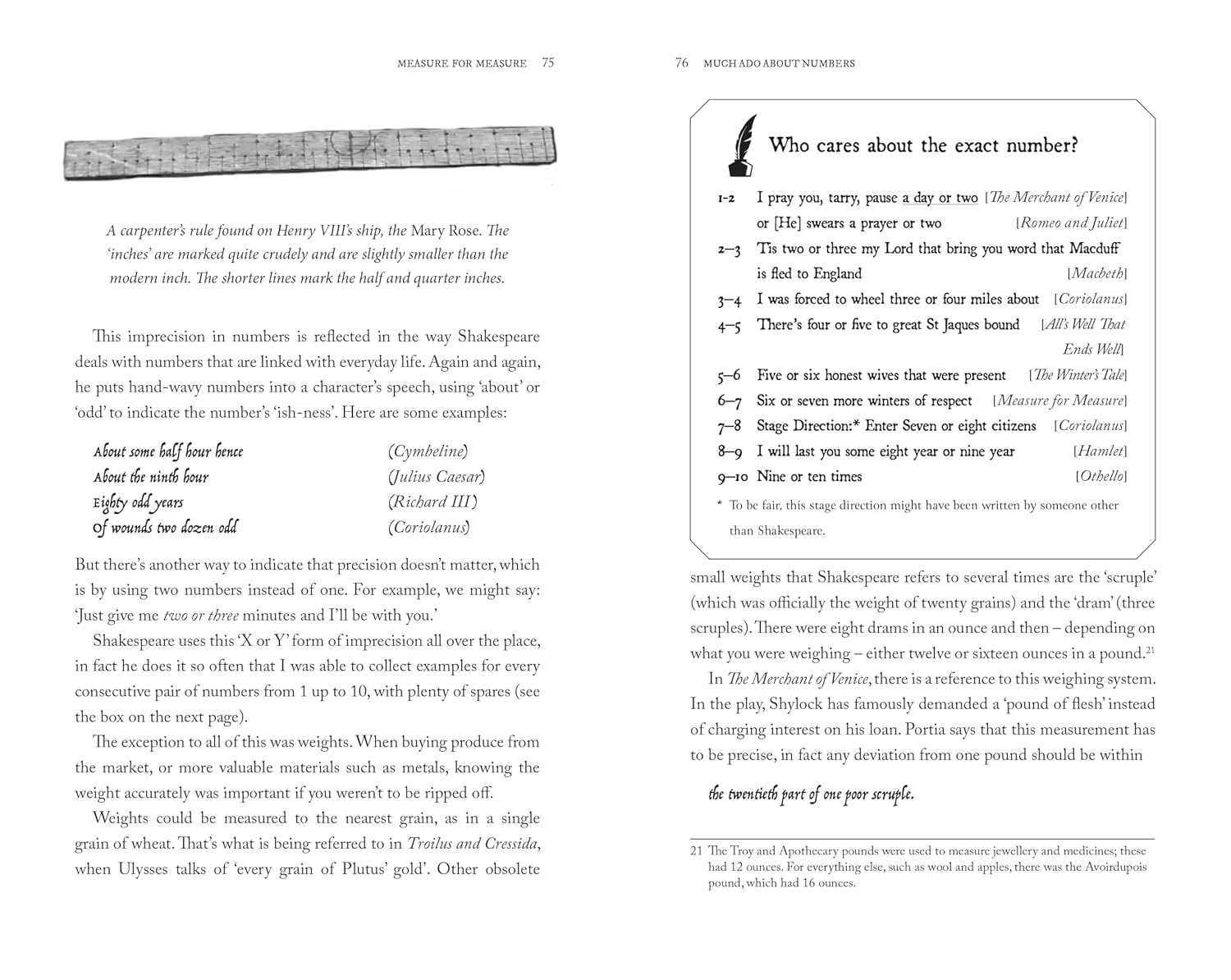
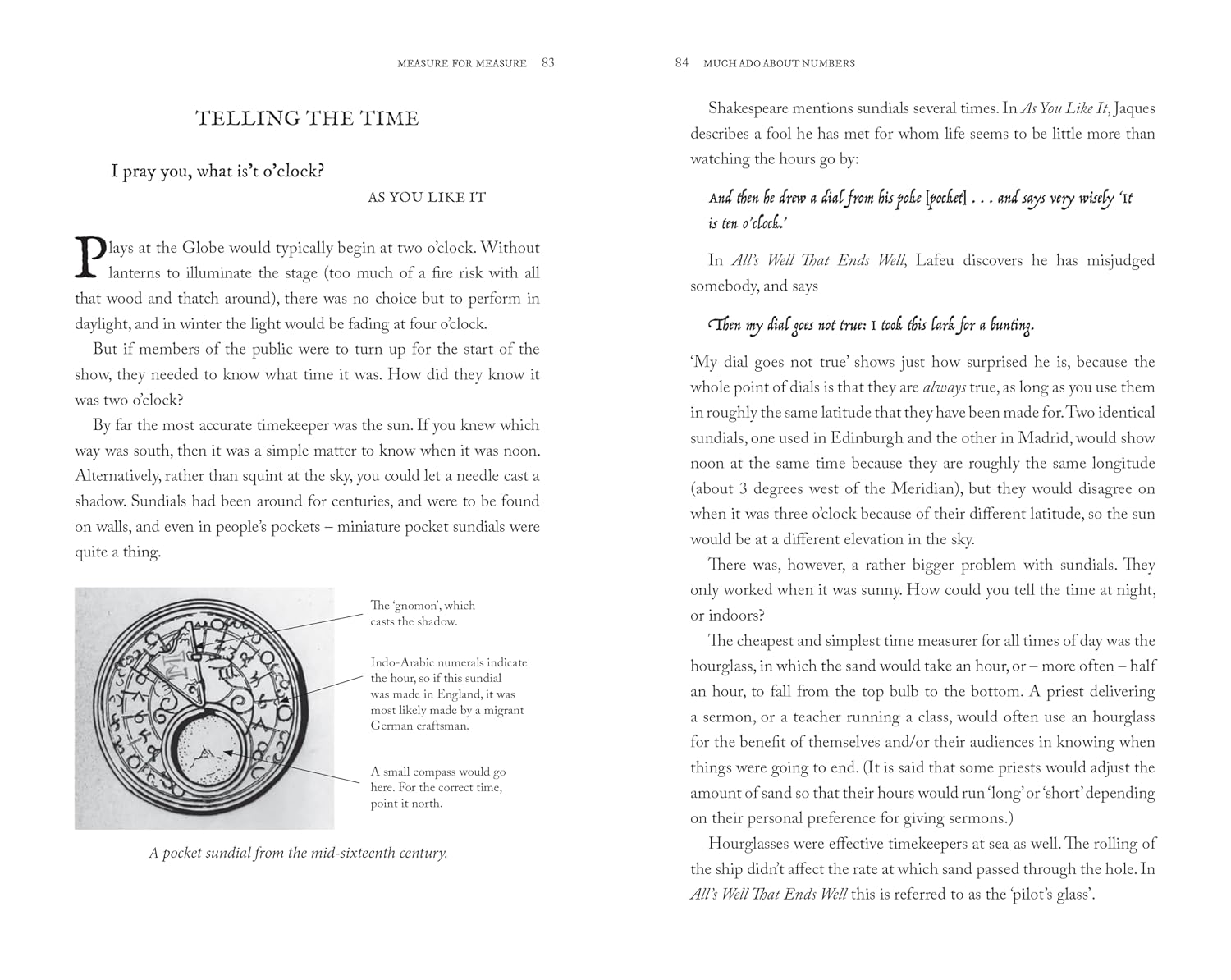
The chapters in Much Ado About Numbers are further divided into different topics. Those pages have lots of quotes from different plays to illustrate the topic, as well as, graphs, charts or illustrations from the time when Shakespeare was alive. These could be illustrations showing the trickery of magicians back then, a chart of the planets-according to Ptolemy, or men playing Jeu de Paume in 1608. Cream later put the topic for that final one into the query title of their song from 1968.
Ultimately, that is what I enjoyed most about Much Ado About Numbers. It’s a book about a person that everybody knows, but isn’t entirely about his work (that can divide potentially more people than it entertains). The aspect of their life that is divisive is shown in bite-sized quotes, and real-world instances of its relevance or why is was written that way. “But time will not permit: all is uneven, and every thing is left at six and seven”, that’s from Richard II, but harkens to Chaucer a little more than 250 years earlier and every North American middle school kid in 2025.
Much Ado About Numbers was written just after the great “six seven” mania. There are other references and short quotes that will give wind to the sails of those who seek it. It will certainly feed the Bard faithful, but will also satisfy the number or trivia folks who simply want an effortlessly entertaining book.
Much Ado About Numbers: Shakespeare’s Mathematical Life and Times is by Rob Eastaway and is available on The Experiment, LLC.
There are affiliate links in this post.


 Facebook
 Twitter
 Youtube
