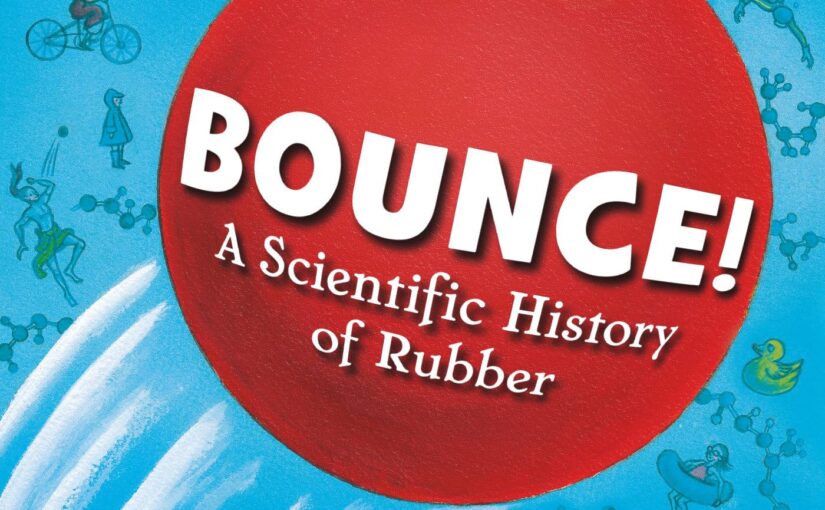
This is a thick book. Why is this book so thick? It’s either loaded with fluff or has too many white pages. Alas, it is thick, but its physical pages are thicker than the average illustrated book, plus it’s loaded with fun, easy-to-understand, STEM facts about the evolution and process of rubber. To those first reactions I say, don’t be intimidated by its thickness. Instead, just enjoy the fact that Bounce! A Scientific History of Rubber is able to create a non-fiction, linear story with STEM nuggets woven in that young readers won’t be turned off by. It can be challenging to get young readers to accept illustrated books that don’t have unicorns or animals in it, thus the first hurdle towards getting them in the book is not getting in the way.
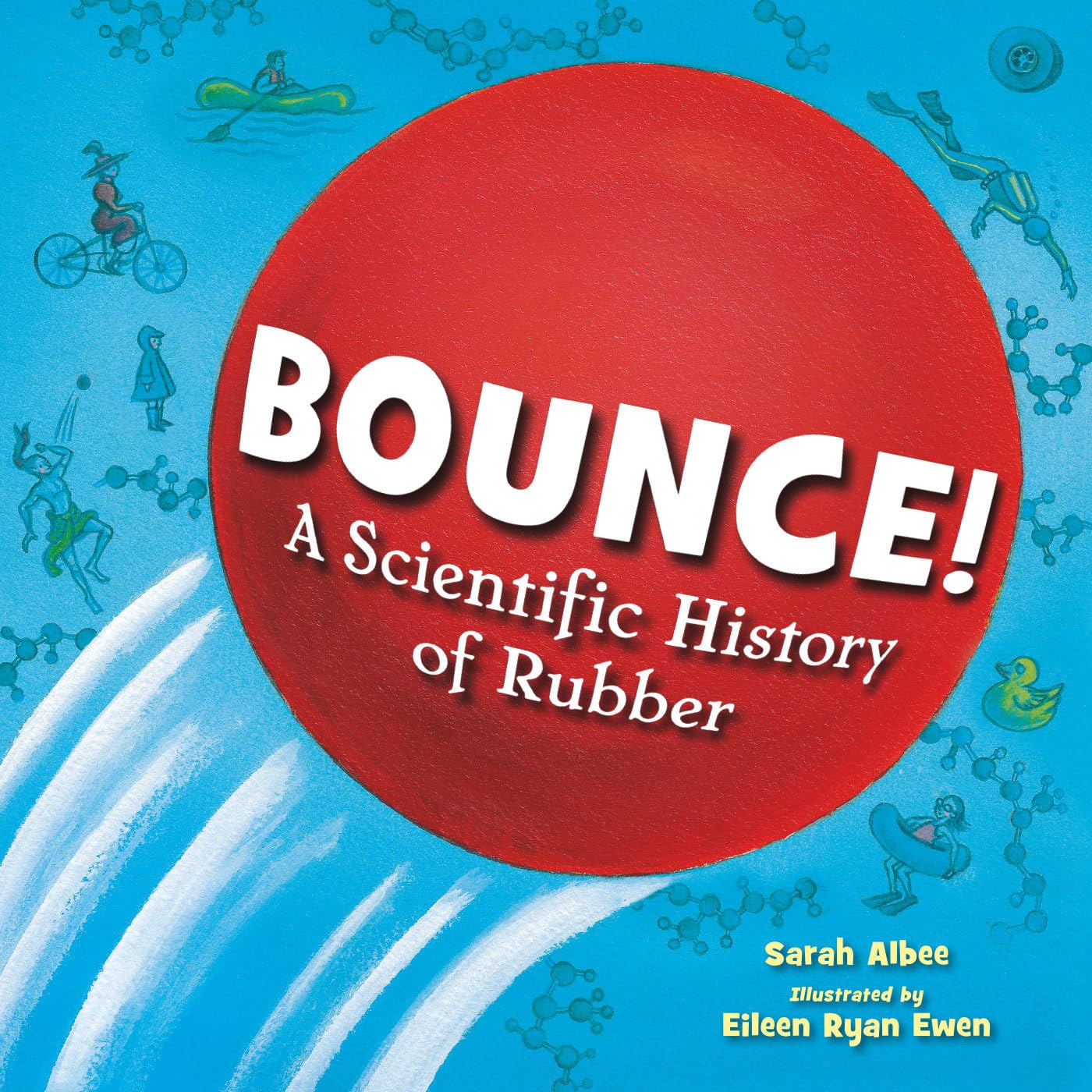
Bounce! Before it was a verb that the kids say “to leave”Category: Education
Daddy Mojo used to teach. Being an ex educator he’s interested in many things about education, such as teaching policies, best practices and bureaucracy.
Discover a Zen Monk’s Guide to Peaceful Living
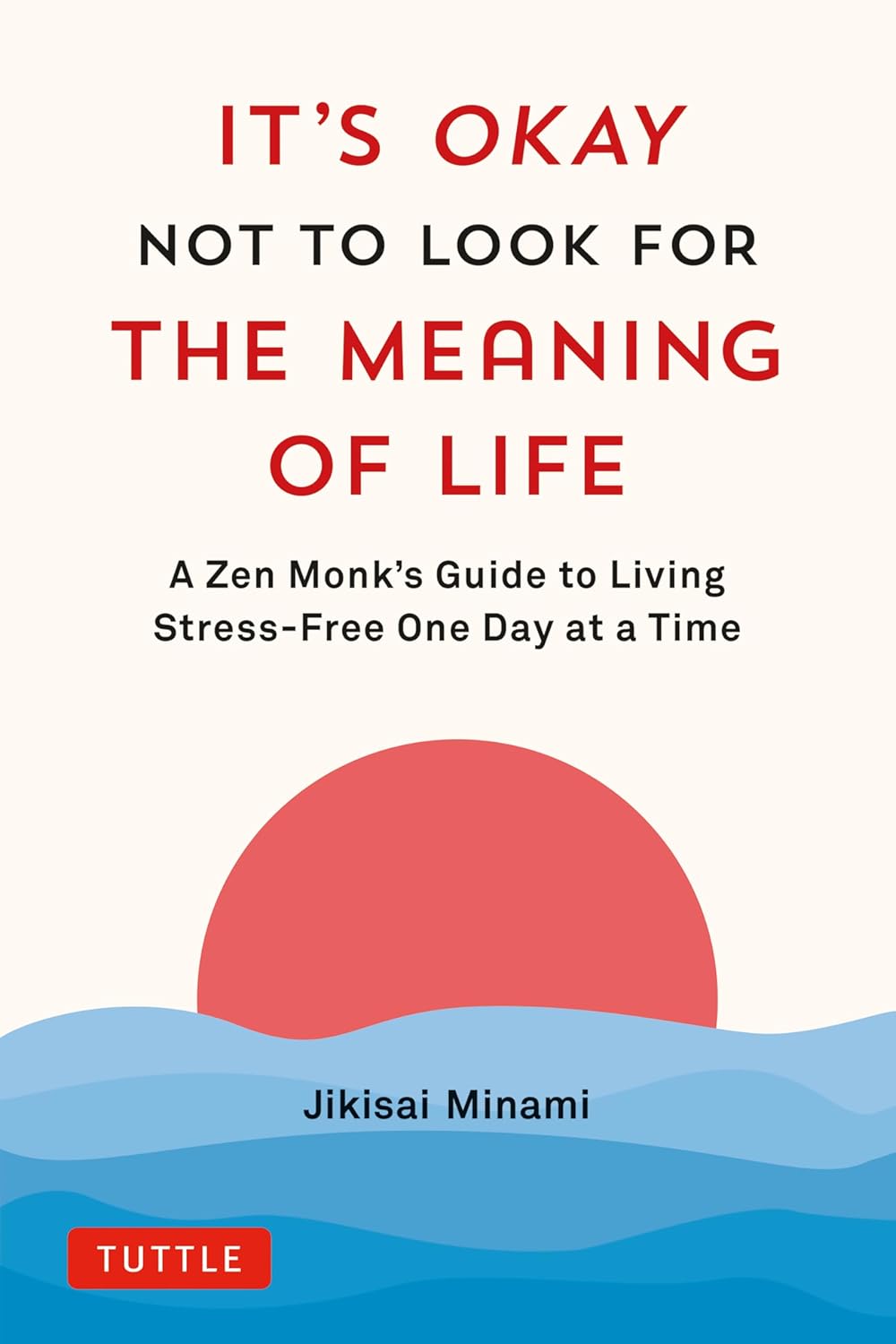
So, you’re telling me it’s not a problem if I wander without direction or purpose through life? No, that is not what the book, nor I, are saying that’s what you should do or how you should act. It’s Okay Not to Look for the Meaning of Life: A Zen Monk’s Guide to Living Stress-Free One Day at a Time sounds like it could be an alternate title to a Korean drama or a positive affirmation statement you’d see in a middle school. However, in the latter situation, those students might’ve taken it as a carte blanche to do even less than their doing now. This is not a Spicoli get-out-of-jail-free card, it’s simply a book that encourages you to take a step back and think.

Exploring Nature and Learning: A Review of ‘The Den That Octopus Built’
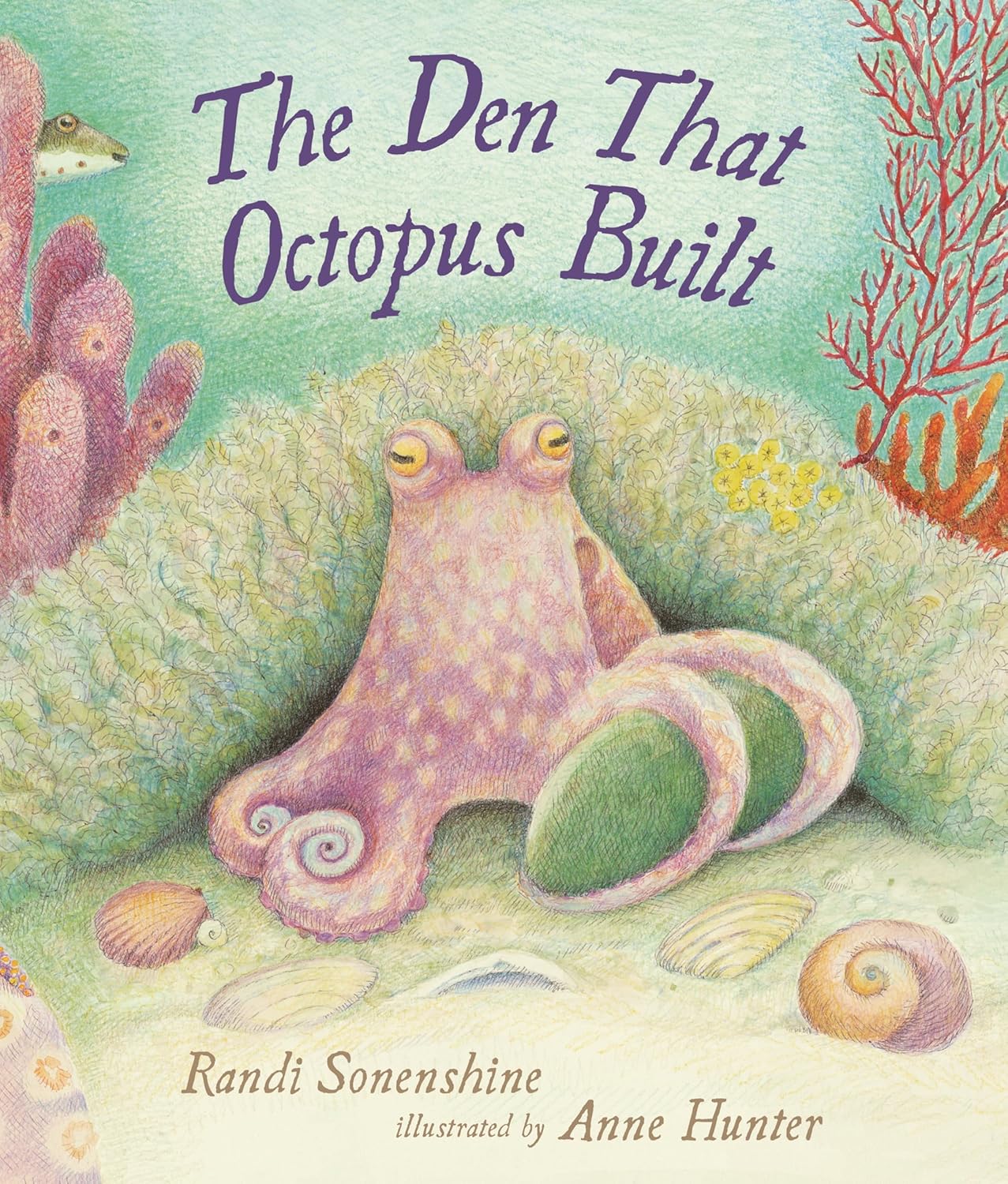
We’ve been working with our 12-year-old on context clues and how to better understand them. Whenever I’m with high school ELA students I work with them on context clues, albeit in a slightly more direct tone. That could fall under the category of “read the room” or being able to infer what happens in a story due to something else occurring. The Den That Octopus Built is a smart illustrated book that tells a grand story with minute details that older readers will get the first time, and younger audiences will latch onto after one reading.

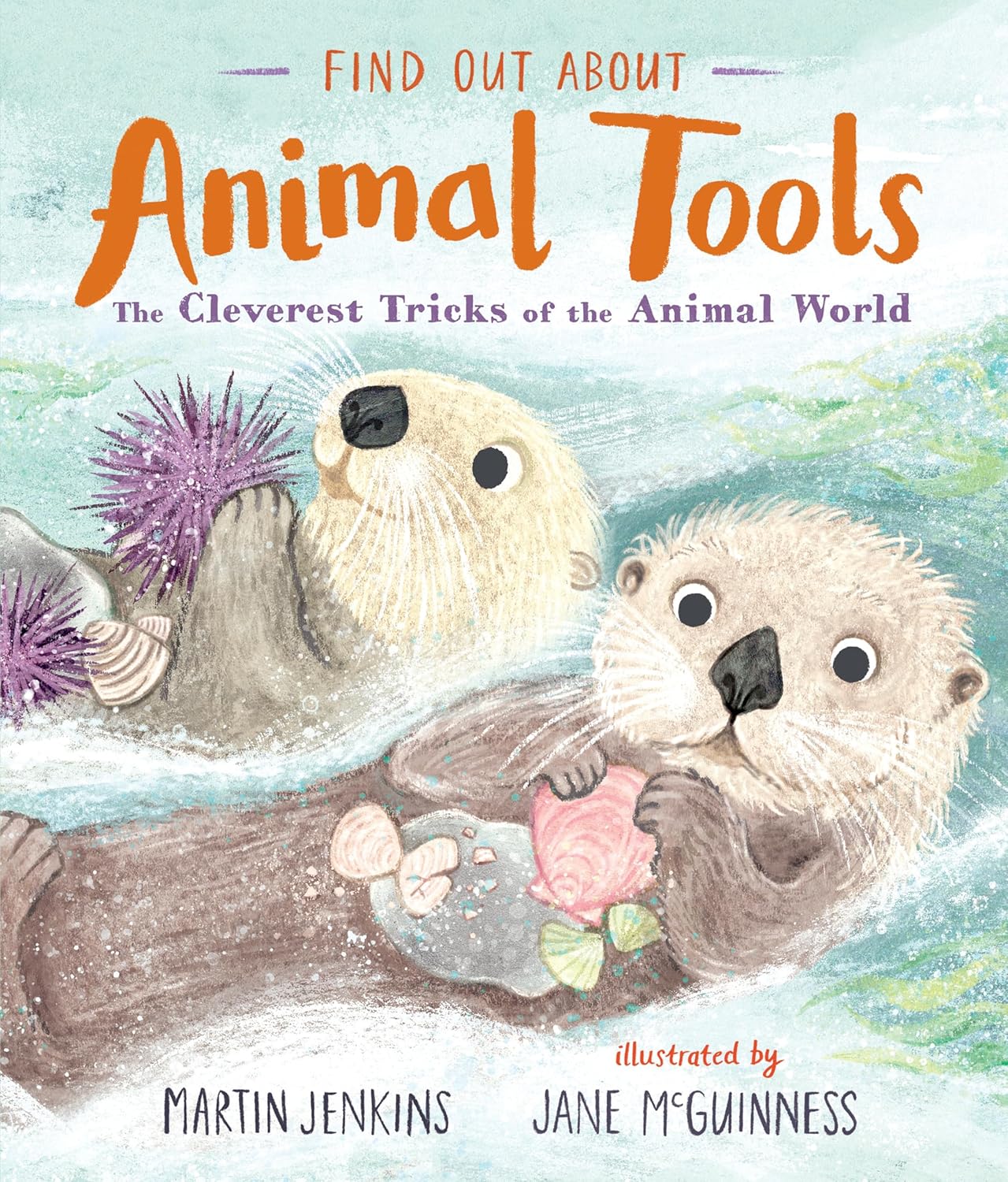
Find Out About: Animal Tools, talk about story time for ages 5-8
Find Out About is a book series by Martin Jenkins with illustrations by Jane McGuinness that focus on certain aspects or characteristics of animals.They’re soft, entry-level books about Animal Babies, Animal Homes an Animal Camouflage, with the fourth book being, Animal Tools. All of these use the same gentle, easy-to-follow nature book template that shows young ages an example, and uses font in two different sizes to drive it home. It’s a read-aloud book that will keep those pre-K kids quiet and the K and first grade students chiming in with their own examples of animal tools.

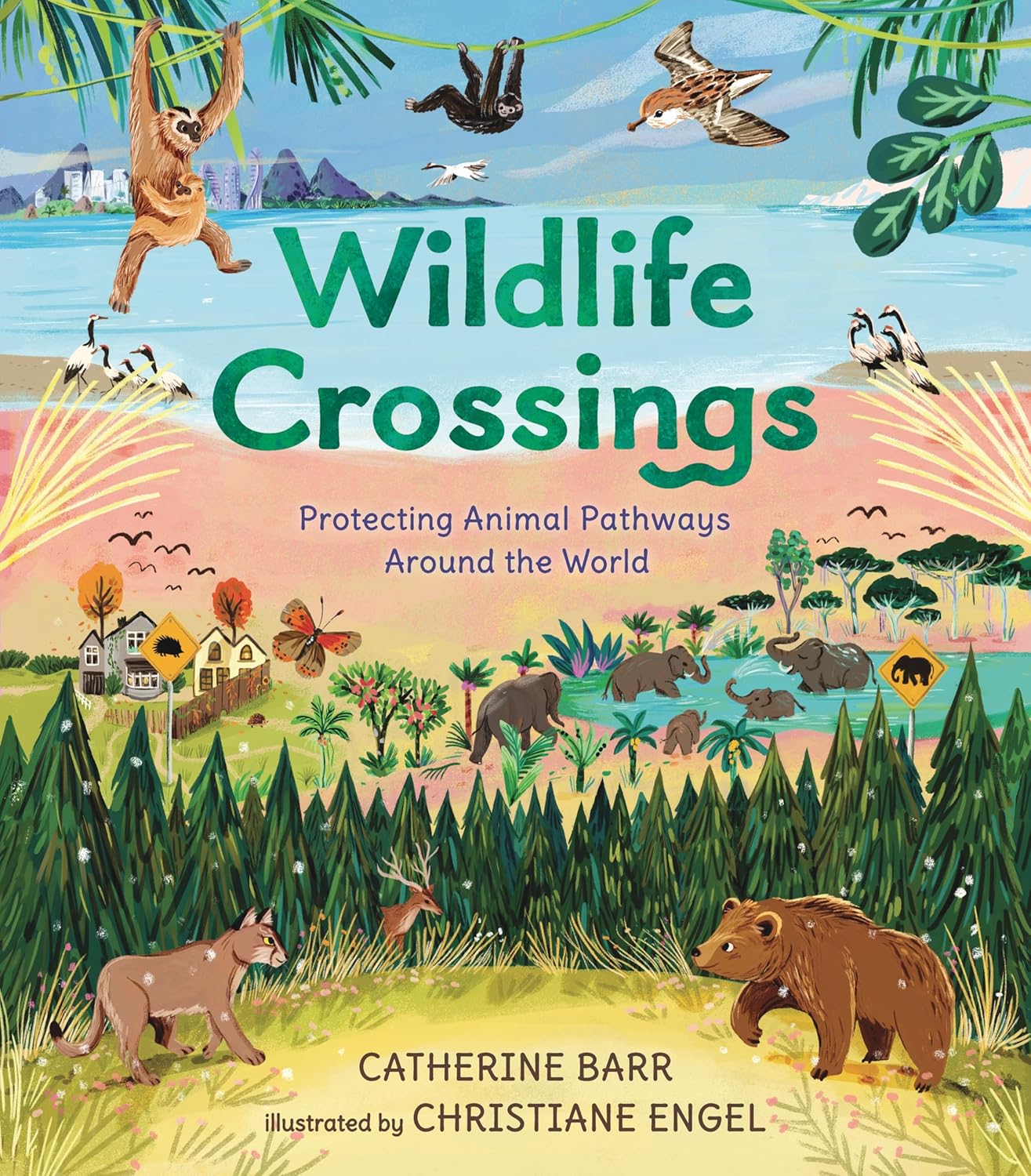
Wildlife Crossings-nature born STEM gets kids thinking without realizing it
The extent to which children think about animals crossing the road stopped when they answered the question about the chicken. And even then that query, and its many derisions, are tiresome, repetitive, and work for the five-year-old audience one time only. Wildlife Crossings: Protecting Animal Pathways Around the World is an illustrated book that will fascinate elementary ages and get them to think, yes actually think about something that they’ve never thought about before.

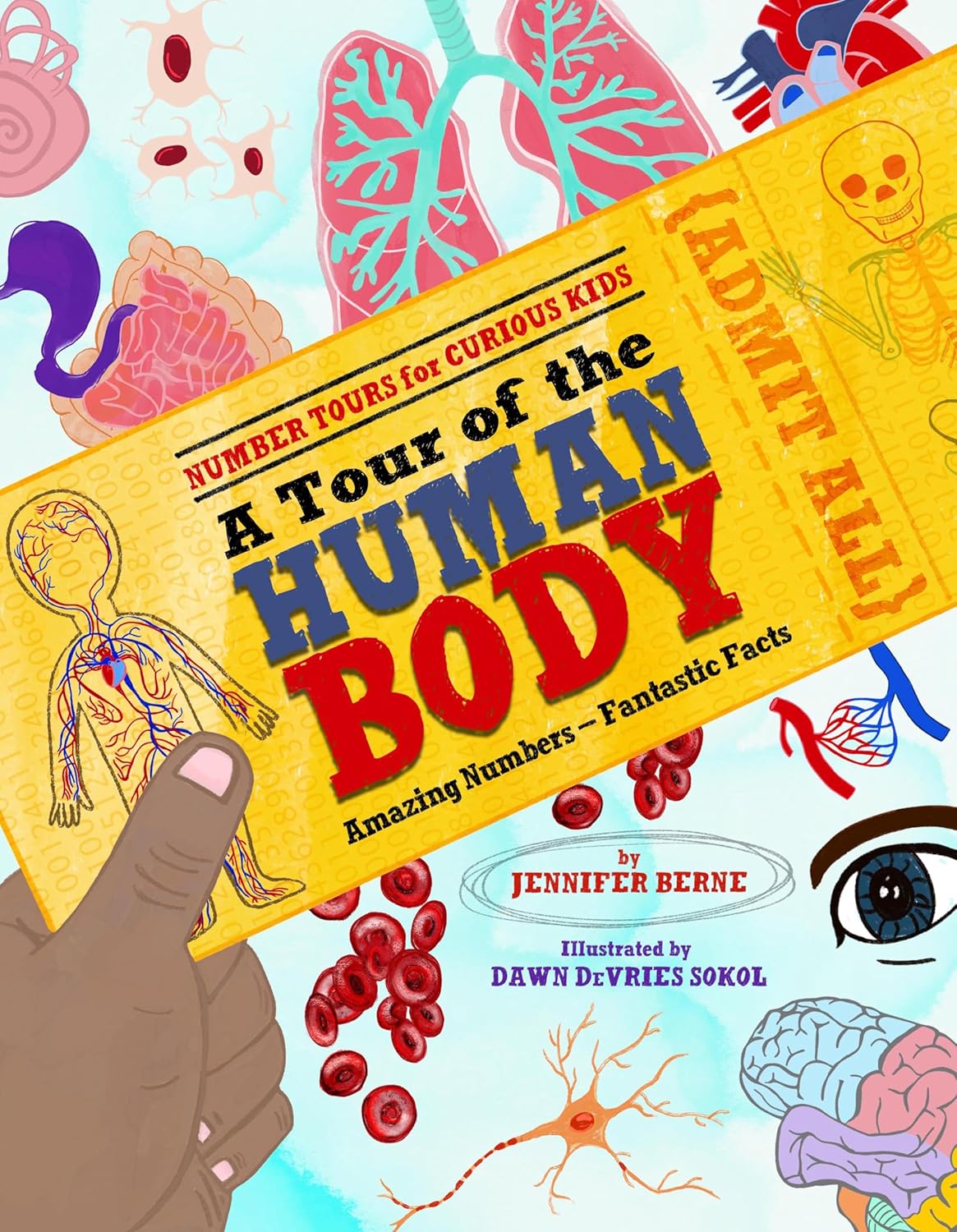
A Tour of the Human Body, factoid fun for grades 1-4
For a period in every elementary student’s life, they are factoid machines. They have competition between themselves to seek out and parrot one or two-line facts about animals, the more disgusting, bizarre or unknown, the better. This is the age of the exception. Kids may not be able to tell you how many ounces are in a pound, but they’ll be able to tell you at a moment’s notice that you swallow an average of 1,500 pounds of food a year. A Tour of the Human Body: Amazing Numbers-Fantastic Facts is an illustrated book that introduces elementary-aged students to this bag of flesh, organs and bones that accommodate us during our time on Earth.

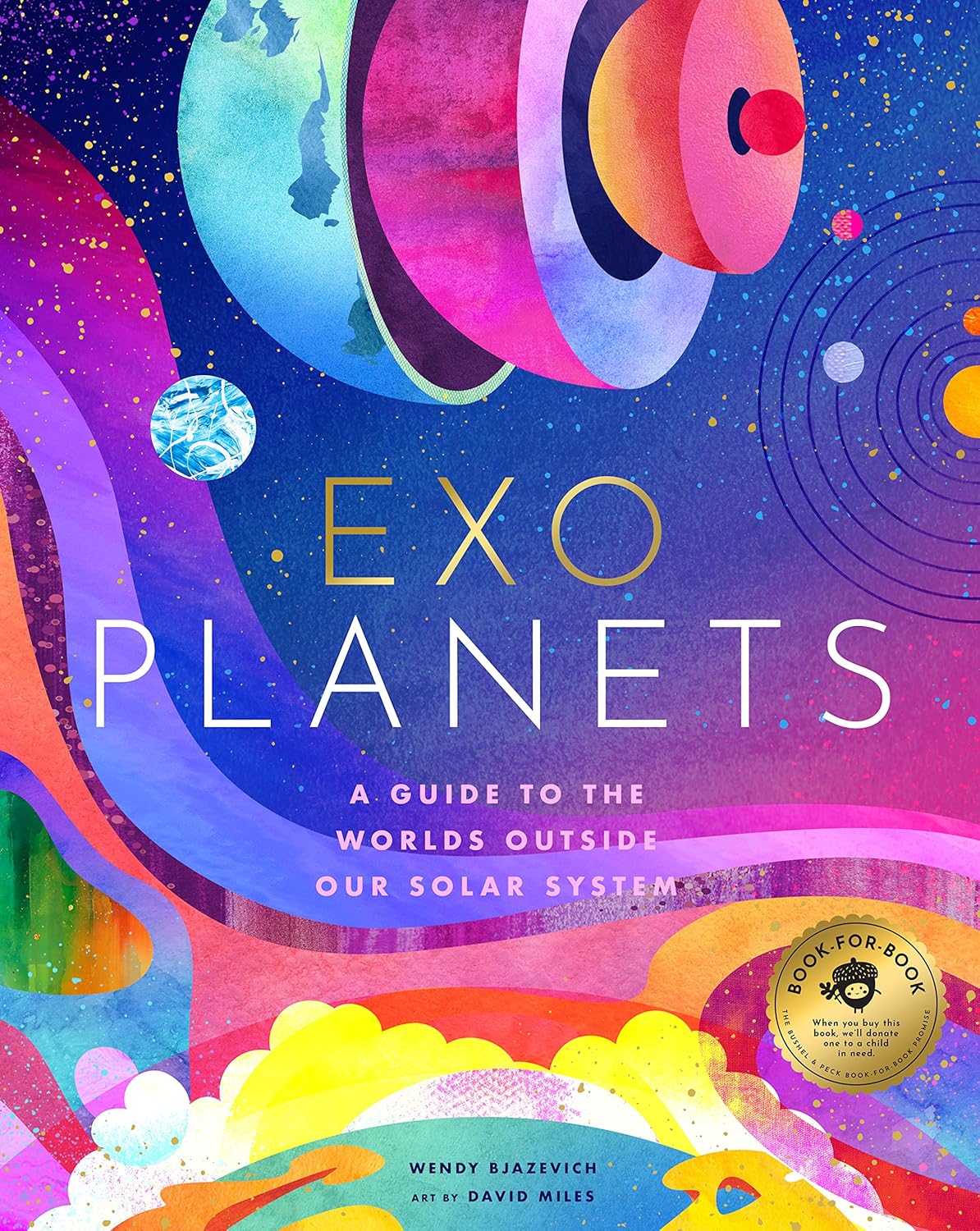
Exoplanets, STEM that reaches wide from elementary to high

Somehow or another, Exoplanets: A Guide to the Worlds Outside our Solar System snuck past my review radar. Oh it landed in our office, but it gravitated towards our reference books and not in the ‘new’ books to review area. Exoplanets prematurely made its way into our ‘forever’ book stack, instead of the working book column that gets cycled through and written up. It certainly would’ve helped had we read Exoplanets when it was initially released because at that time we were planning our 2023 Dragon Con interviews. At that event we chatted with a handful of scientists researching conditions on various planets and the propulsion methods that astronauts would use to get there. Even though Exoplanets is an illustrated book, a medium that’s stereotypically thought of as a children’s book; it’s testament to the equally correct belief that just because the book is intended for children, it can reach far beyond its target audience.
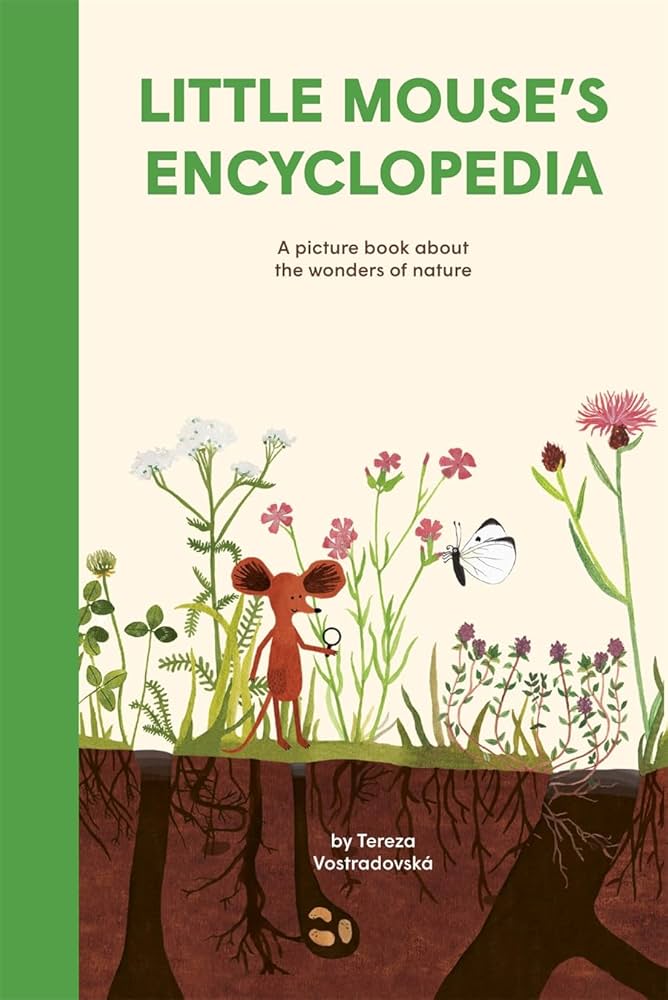
Space, the frontier is calling you.Little Mouse’s Encyclopedia, intersects entertainment and learning
There’s something about the cover to Little Mouse’s Encyclopedia: A Picture Book About The Wonders of Nature that perfectly translates how easily the book can cross over to different ages and cultures. It’s from the perspective of a little mouse, albeit a very intelligent one, who is exploring the things around her burrow. All the while a narrator is providing some expository comments as to why she’s doing things, in addition to offering smarter-than-expected facts about the flora and fauna that the mouse encounters on daily basis.


Facebook
Twitter
Youtube