Plague-Busters! uses humor, quip-ridden text and art to make STEM fun

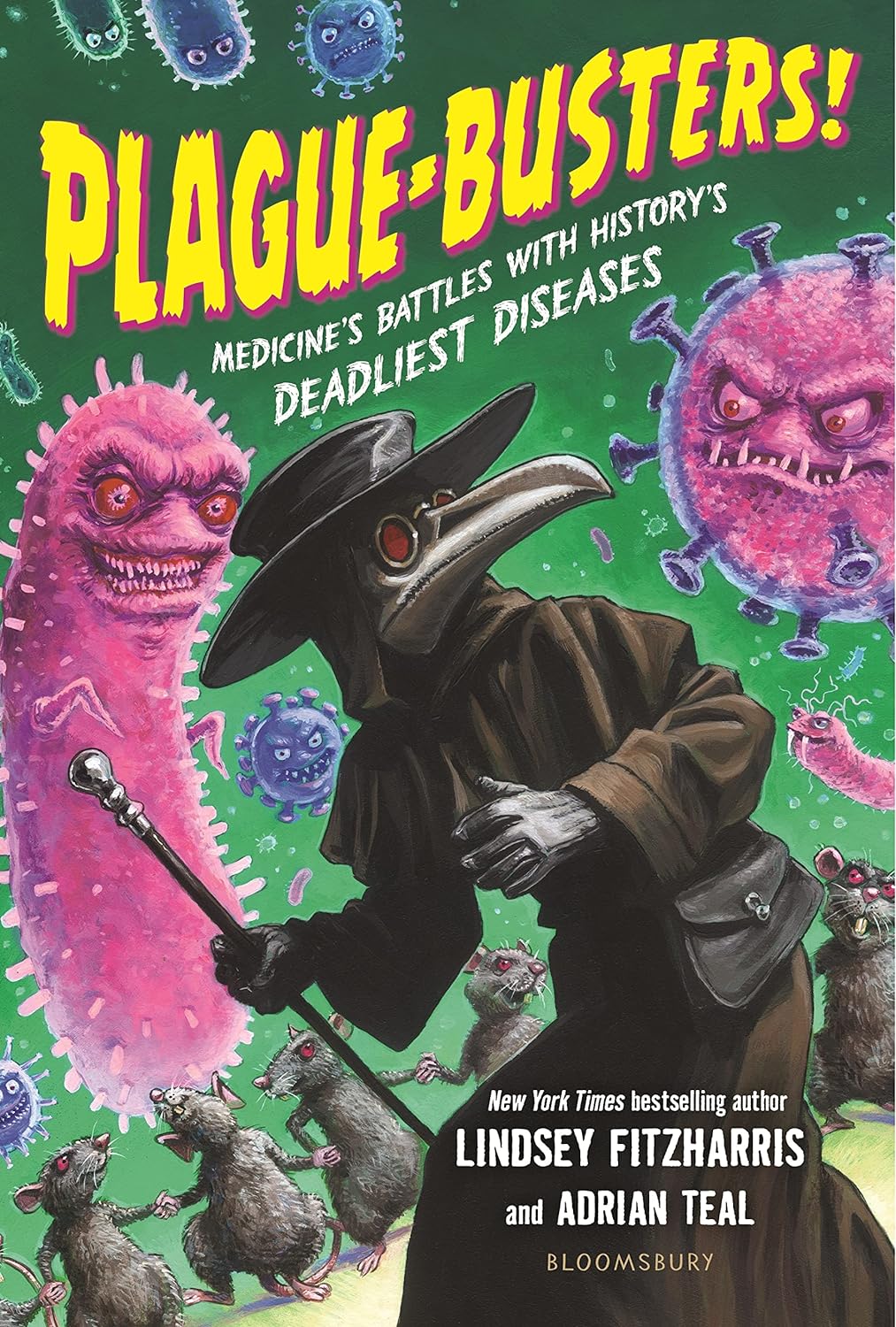
There is a difference between a good book and a fun book. Good books don’t necessarily have to be fun and those fun books don’t always have to be good, in a literary or personal sense. You may read some tawdry summer beach love book about teenage vampires or romantic solo vacations to the edge of the world and they are 100% your jam, and others might not view them as good, but they sure are fun. Plague-Busters! Medicine’s Battles with History’s Deadliest Diseases is a fun book that’s laden with dozens of illustrations and snappy text that makes the world’s low points accessible, without watering down their scale.

Plague-Busters! Is an entry gate, heavily illustrated, entertaining chapter book with humor and science on the planet’s deadliest diseases.
Dancing rodents among the bulbous infection, c’mon in

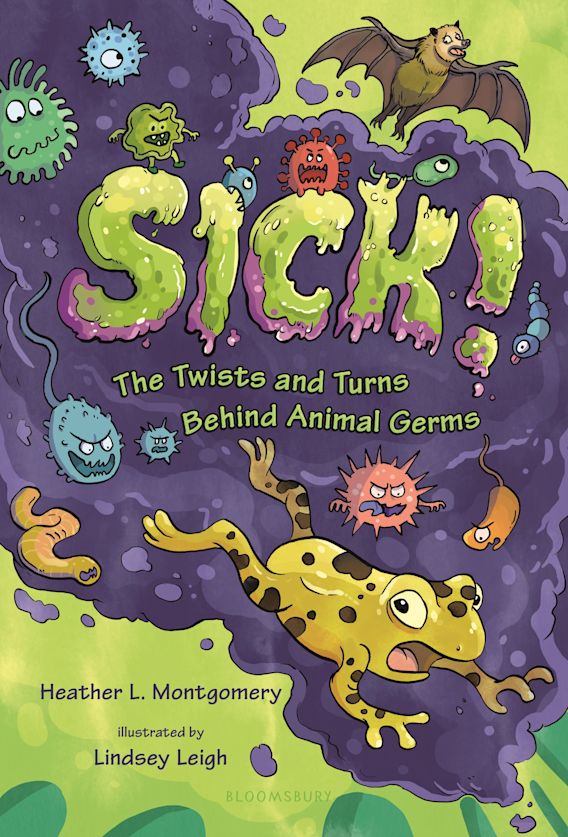
Sick!, an eye-catching, appropriate name for a gateway STEM graphic novel

If elementary school-age students latched onto the disgusting elements of science I’m convinced that more people would follow the STEM path. I also fully believe that in 2034, many actively working scientists will cite Phineas and Ferb as a main influence. Sick! The Twists and Turns Behind Animal Germs is a STEM book that’s disgusting in all of the right ways.

Sick! The Twists and Turns Behind Animal Germs is an engaging chapter graphic novel on how little things are a big deal to animals.
A smart chapter graphic novel, yeah that’s a thing

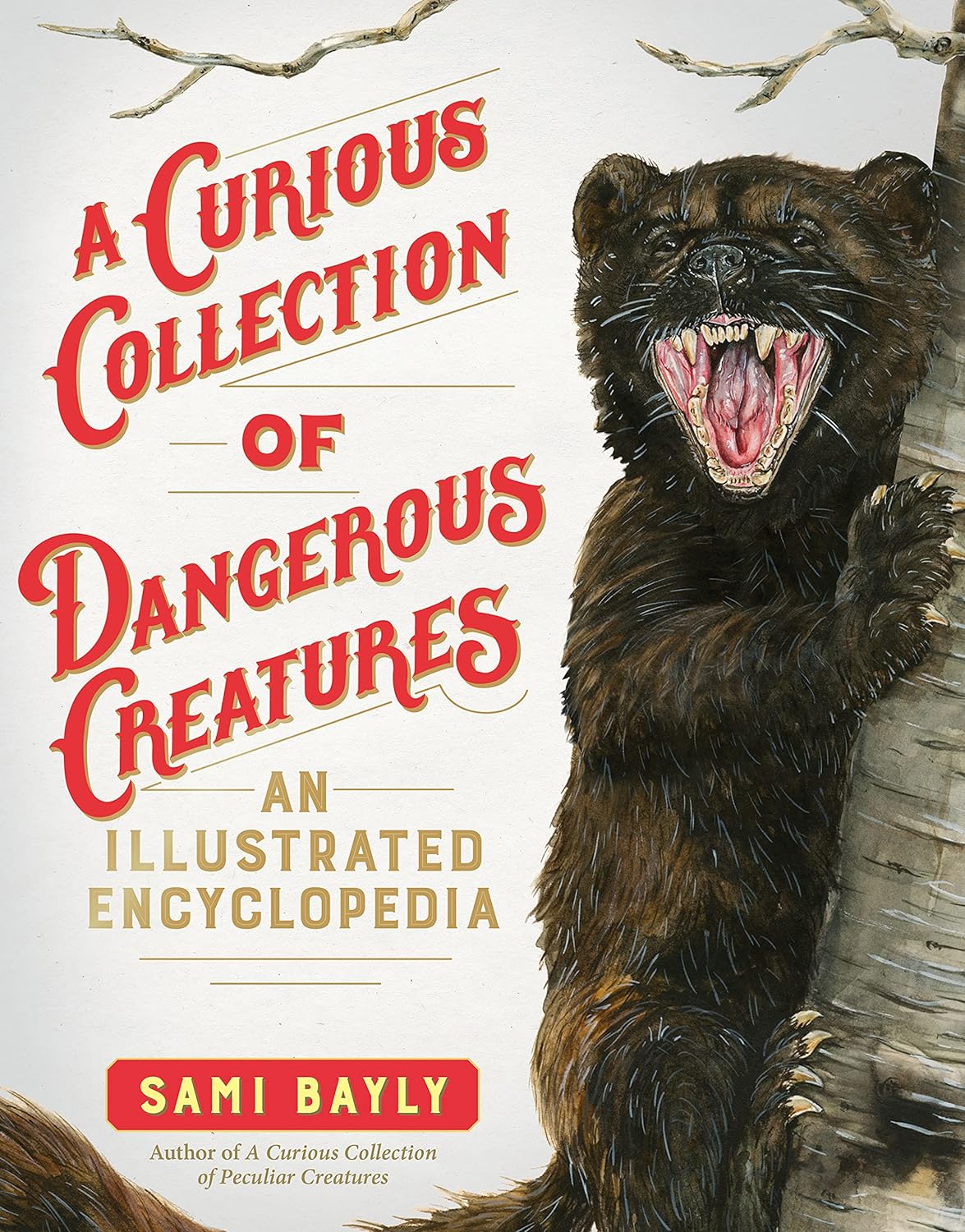
A Curious Collection of Dangerous Creatures, fun learning you don’t expect

I love books like A Curious Collection of Dangerous Creatures, An Illustrated Encyclopedia. It’s an entertaining reference book with dozens of critters that I hope to never encounter and that students are intrigued by. This is the sort of book that will hook mid to upper-elementary school students who have caught the ‘animal bug’ and need to do those first essays. As a saving grace to those educators who have to read or listen to those essays, A Curious Collection of Dangerous Creatures has multiple dozens of them that they haven’t heard of before. The odds of having your educator’s eyes gloss over because you’ve heard about the Brazilian Death Beetle one too many times.

A Curious Collection of Dangerous Creatures: An Illustrated Encyclopedia is a fun, fresh take on the critters that stoke the imaginations of kids aged 8 and up.
reference books need not be borning nor cookie cutter

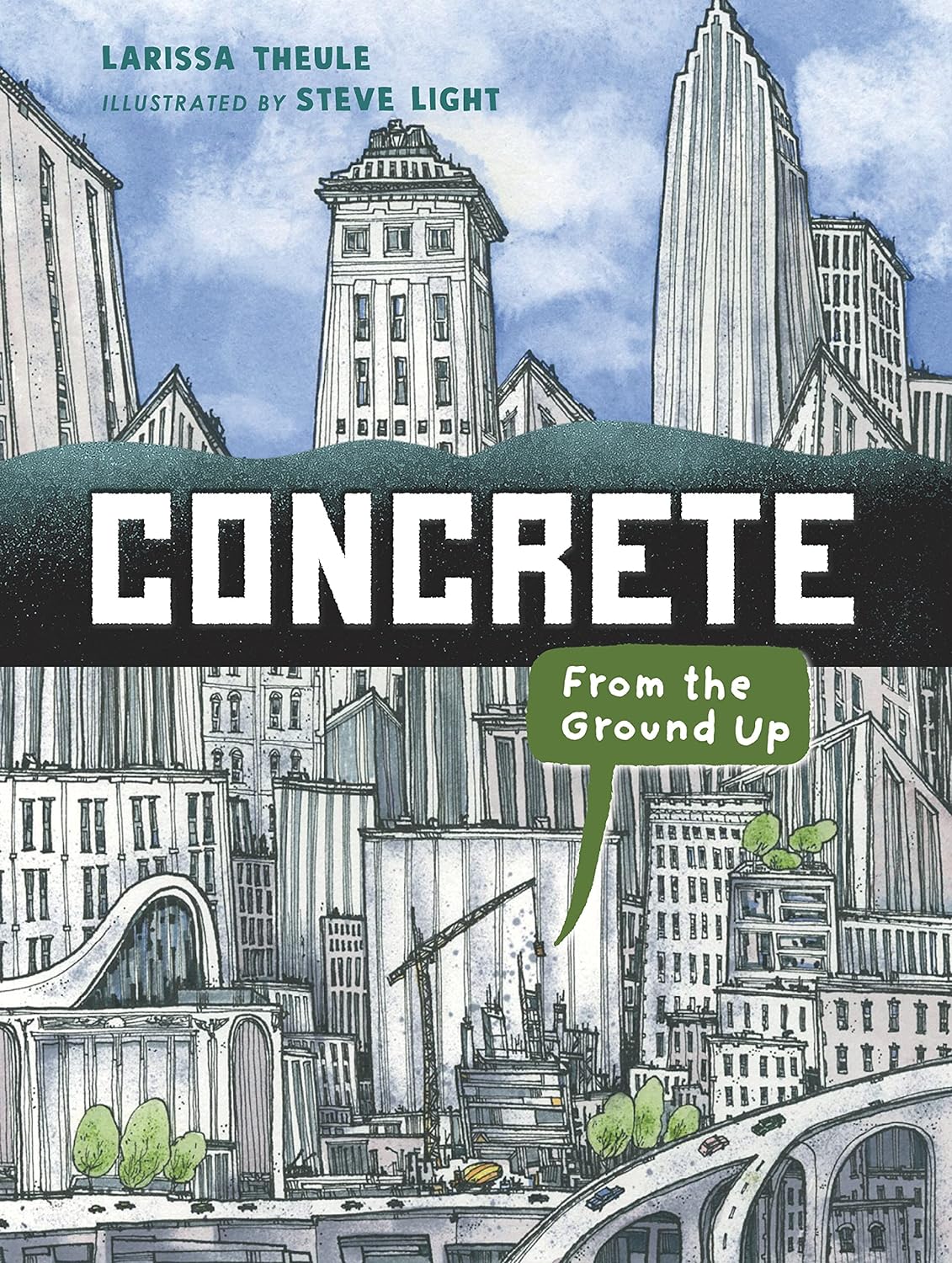
Concrete, an illustrated book that’s smarter than you-and that’s OK

There is a point in time when that illustrated book that you read to elementary-aged students has content that you didn’t know. It won’t happen with every illustrated book, but the non-fiction ones especially might bring up facts that you adults didn’t know or realize. In Concrete: From the Ground Up, that point came for me when the book said “Cement is not the same as concrete.” That was on the third page and when I looked back at the first two pages there were also facts that I didn’t know. Concrete is not trying to be a primer on construction for children, it’s that it’s an intelligent book, that’s punctuated with lots of humor and illustrations.

Concrete: From the Ground Up is a children’s illustrated book that takes a fascinating look at the potentially uninteresting world of concrete and what a difference it has made.
Great books can take the seemingly simple and make it interesting

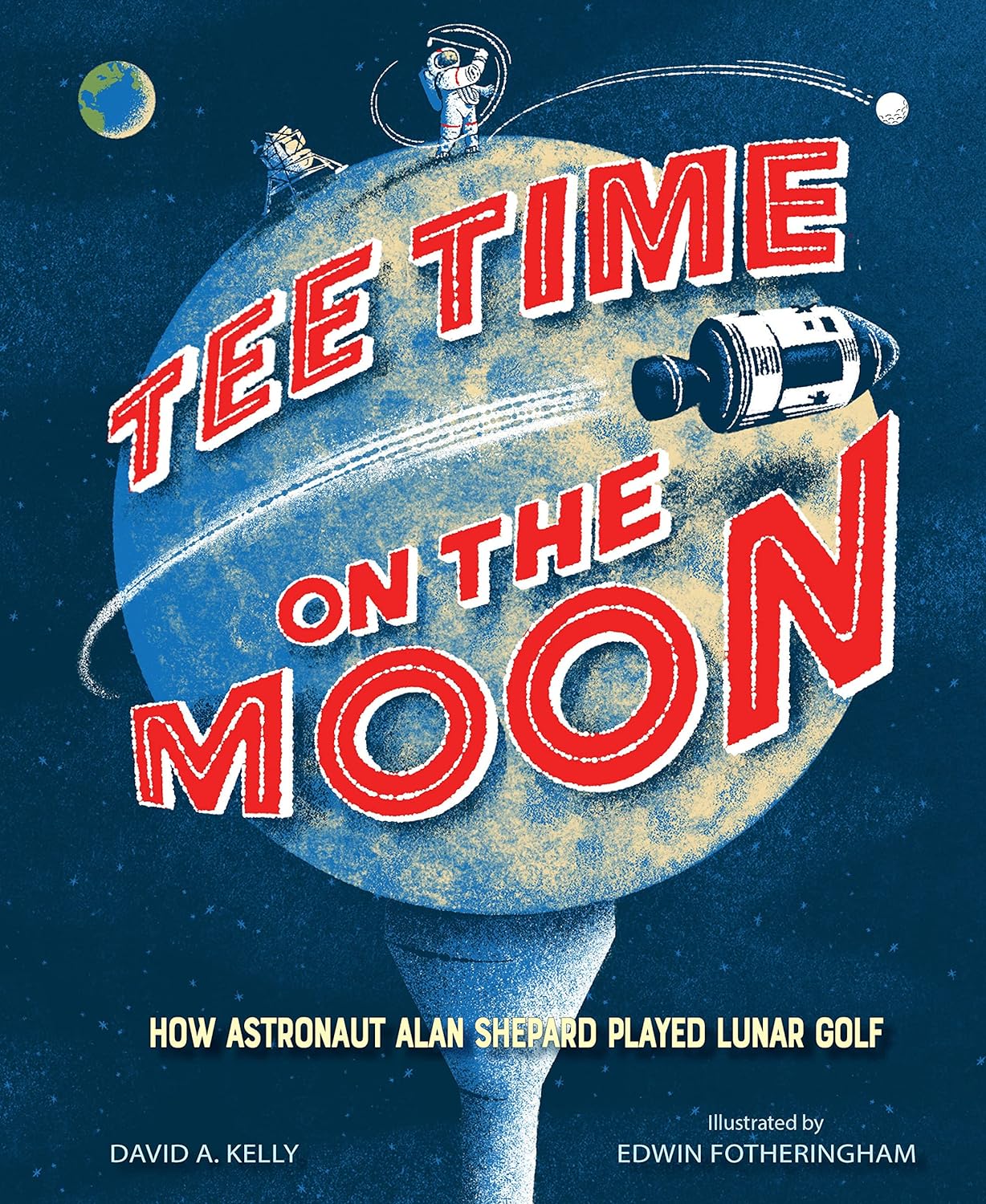
Tee Time on the Moon, an illustrated book with eyes on a bigger prize

At times, science should be silly, especially if your audience is young and needs to look at things from a different angle. This is the angle that asks questions you’ve never thought about. It’s the sly questioning of whether or not there’s a rhinoceros in the room or a STEM-based story about the time an astronaut played golf on the moon. Tee Time on the Moon is an illustrated book aimed at early to mid-elementary school audiences, but whose curious nature will lend itself to those slightly younger, in addition to older than that. This is due to the left-field thinking that kids would have as to playing golf on the moon. However, the book’s layout also lends itself to welcoming young readers who might be intimidated by the story or the text that they see as out of this world.

Tee Time on the Moon is the story of Alan Shepard and his covert mission (with the help of NASA engineers) to play golf on the moon during the Apollo 14 landing.
Golf, with a slice of the moon, or vice versa

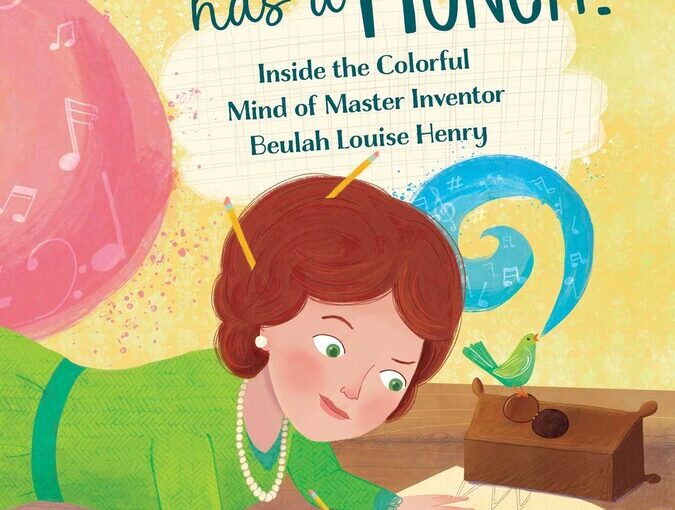
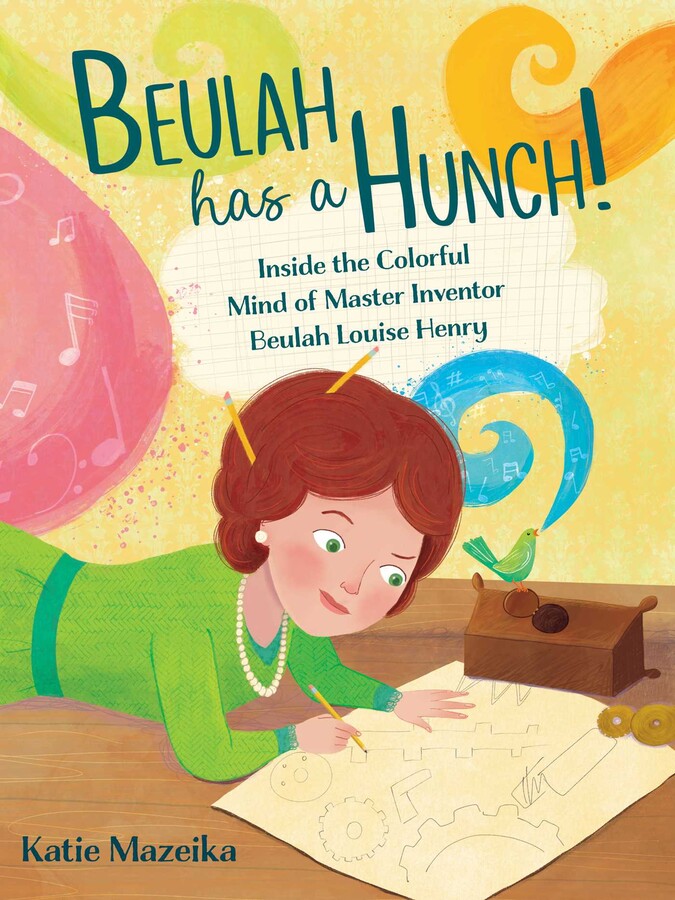
Beulah has a Hunch!, bygone innovations and their unlikely shepherd

Oh Beulah, you always have a hunch. When I read to younger elementary school audiences I love books like Beulah has a Hunch! Inside the Colorful Mind of Master Inventor Beulah Louise Henry, and so do those young audiences. It’s a real story and is one of the first instances of a non-fiction illustrated book that pre-k and early elementary will experience, and we do love some non-fiction. However, non-fiction is only as good as its enjoyment to those elementary ages. This is where the illustrations; combined with the zippy vibe of the book make Beulah has a Hunch! a fun time that won’t tax their time and just might inspire their imagination.

Beulah has a Hunch! is approachable, non-fiction STEM about an inventor that most people haven’t heard of who revolutionized the way kids play and how 1920’s ladies presented themselves.

Lady Edison for the win

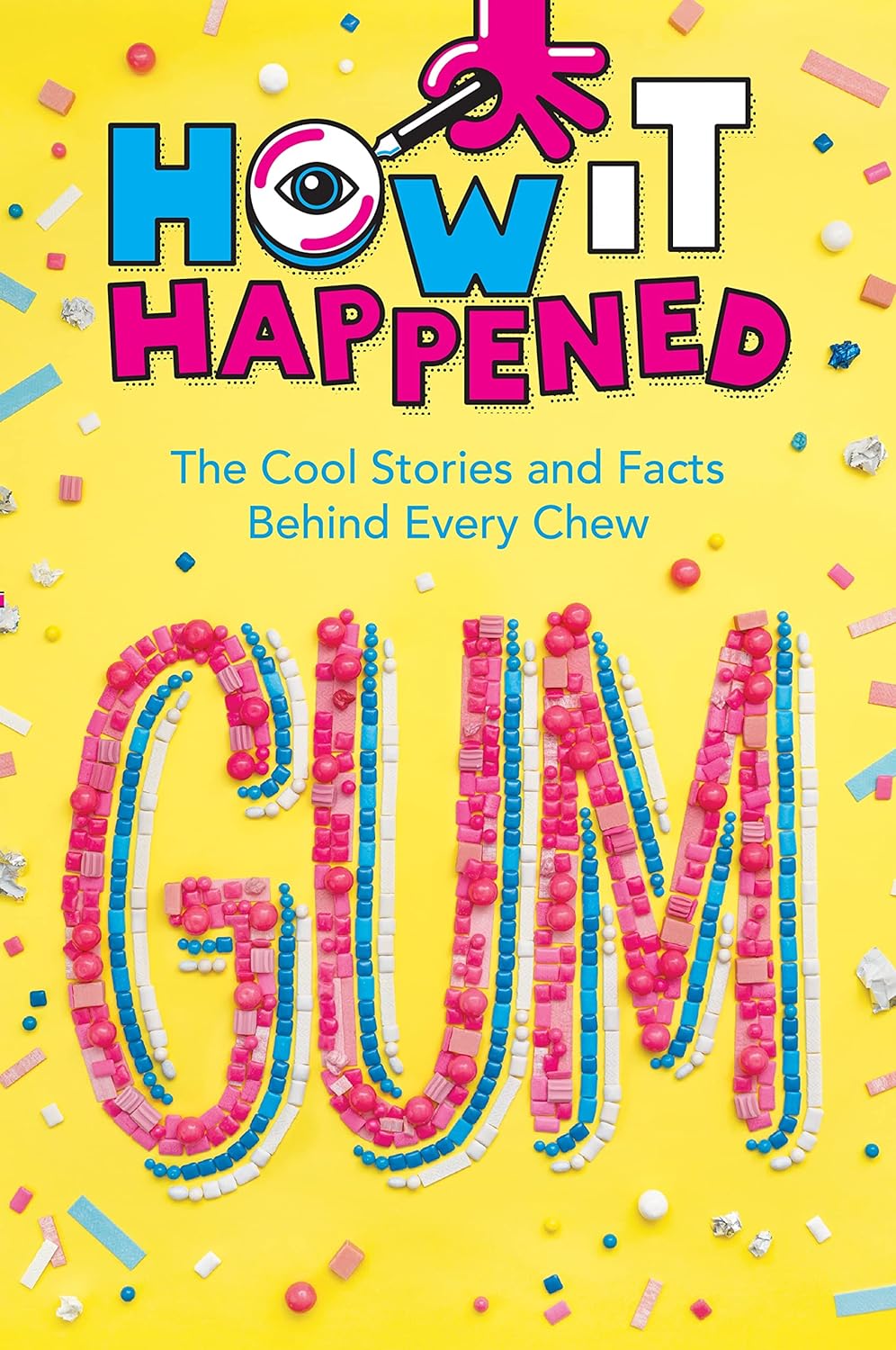
How It Happened! Gum, infectious non-fiction for ages 8-12

Children’s non-fiction book are useless unless they are read by children. It can be a great book all day long, but if younger readers don’t jump in the pool it’s merely an exercise in publishing. How It Happened! is a series of non-fiction books created by WonderLap Group. They take a common subject that kids are interested and give it the “Nat Geo Kids” treatment. That’s the way in which books look engaging to those elementary ages by offering up colored pages, a wide variety of illustrations and photographs, big print and text that takes their hands and makes reading fun.

How It Happened! Gum is an infectious, hard to put down non-fiction that sucks in ages 8-12 who think that they don’t like to read.

Elementary school kids, resistance is futile

Footsteps on the Map, young child-illustrated book utopia from Nat Geo Kids

When is a National Geographic  Kids book not a National Geographic Kids Book? Footsteps on the Map has the National Geographic Kids logo in the upper left-hand corner like others in their lineup, but something is different here. It’s obvious when you look inside, it’s a simpler book, with far fewer words than usual and mixed media illustrations that combine all manner of mediums.

Footsteps on the Map is a dreamy illustrated book about nature and exploring, done only the way that Nat Geo Kids can do it.
A nature book on exploring for those kids 3 and up
Copy Protected by Chetan's WP-Copyprotect.