Who Ate What?, a fun, engaging guessing game through history

I like to imagine conversations between myself and some of the elementary school aged children that I teach. Here’s one that’s running through me head right now about Who Ate What? A Historical Guessing Game for Food Lovers.

8YO kid: I don’t like to read

Me: Do you like ninjas and cave people?

Kid: Yes, highly respected elementary school teacher, I do like to look at pictures of them.

Me: You should check out Who Ate What?

Kid: That sounds like a book that would make me read something. Me no like printed paper learning.

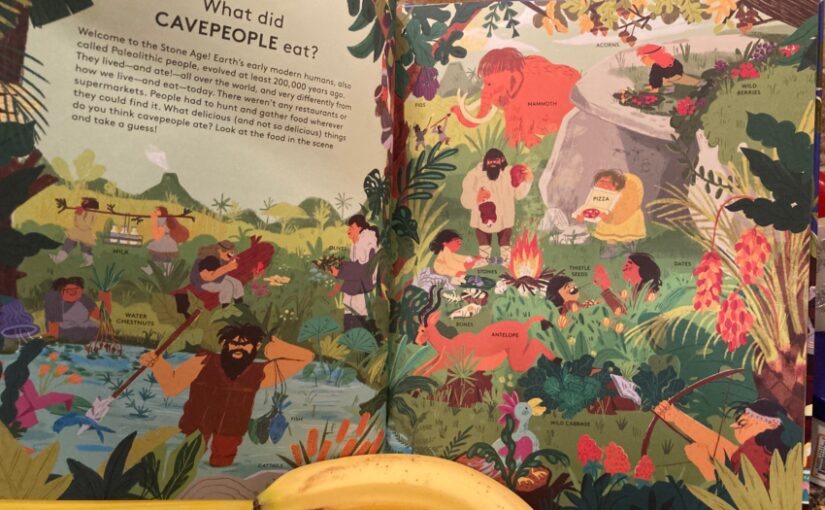
Me: Well, it is a book, but it’s an illustrated book that looks at well known civilizations, how they lived and what they ate or drank; thus the title, Who Ate What?
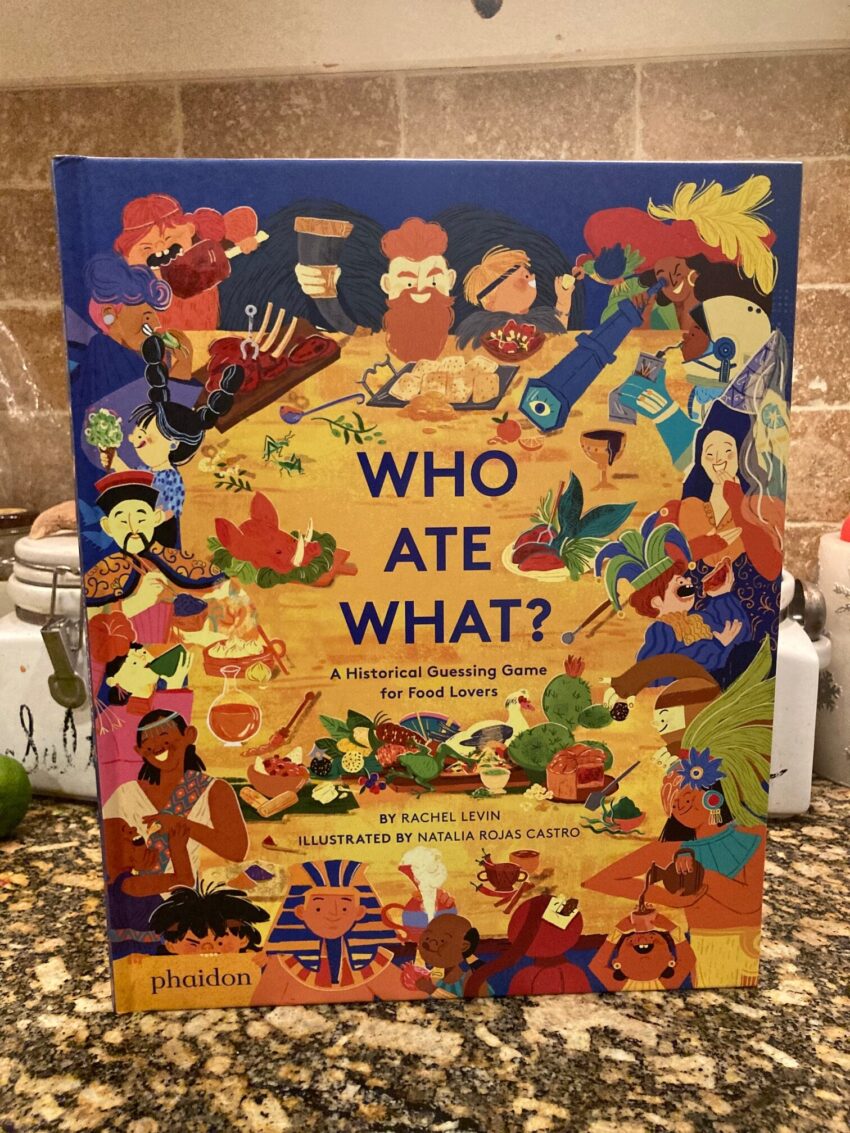
Who Ate What? is a fun guessing game for elementary school audiences that makes them ask questions and think about things.
Have you ever written something that only you will probably read?

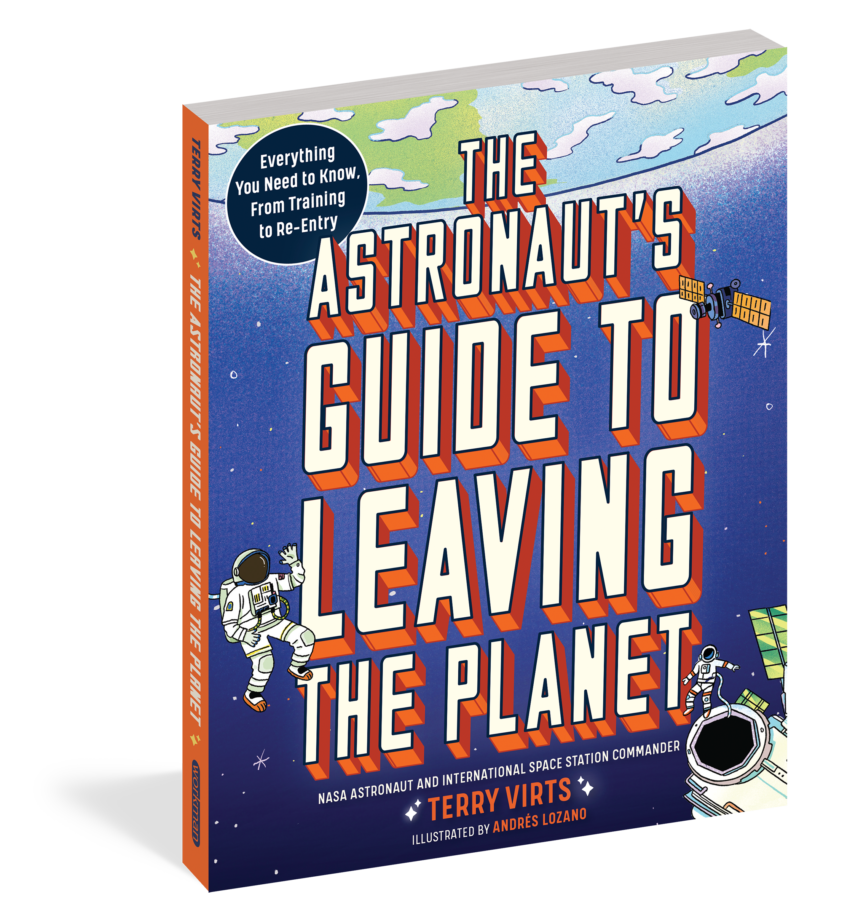
The Astronaut’s Guide to Leaving the Planet, 6th-grade go-to space project gold

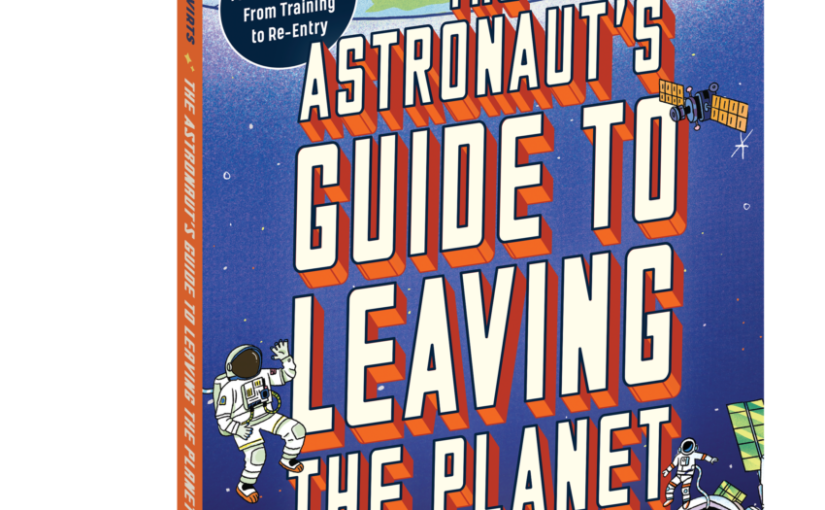
Don’t tell yourself no. There are many dozens of wisdom nuggets in The Astronaut’s Guide to Leaving the Planet, but that one is a favorite of ours. Being an astronaut is a job that’s easily identifiable to an elementary-aged student. An analyst or working in public relations are amorphous jobs that are challenging to quantifiably explain what you do in a way that those age’s will understand. But an astronaut that’s a job that everyone knows, even if they don’t know how to become one. For a book centered on leaving the planet, The Astronaut’s Guide to Leaving the Planet has street-cred galore.

The Astronaut’s Guide to Leaving the Planet is an entertaining chapter book that’s custom made for 5th or 6th graders to learn about an out-of-this-world profession.
What Would the Astronaut do?

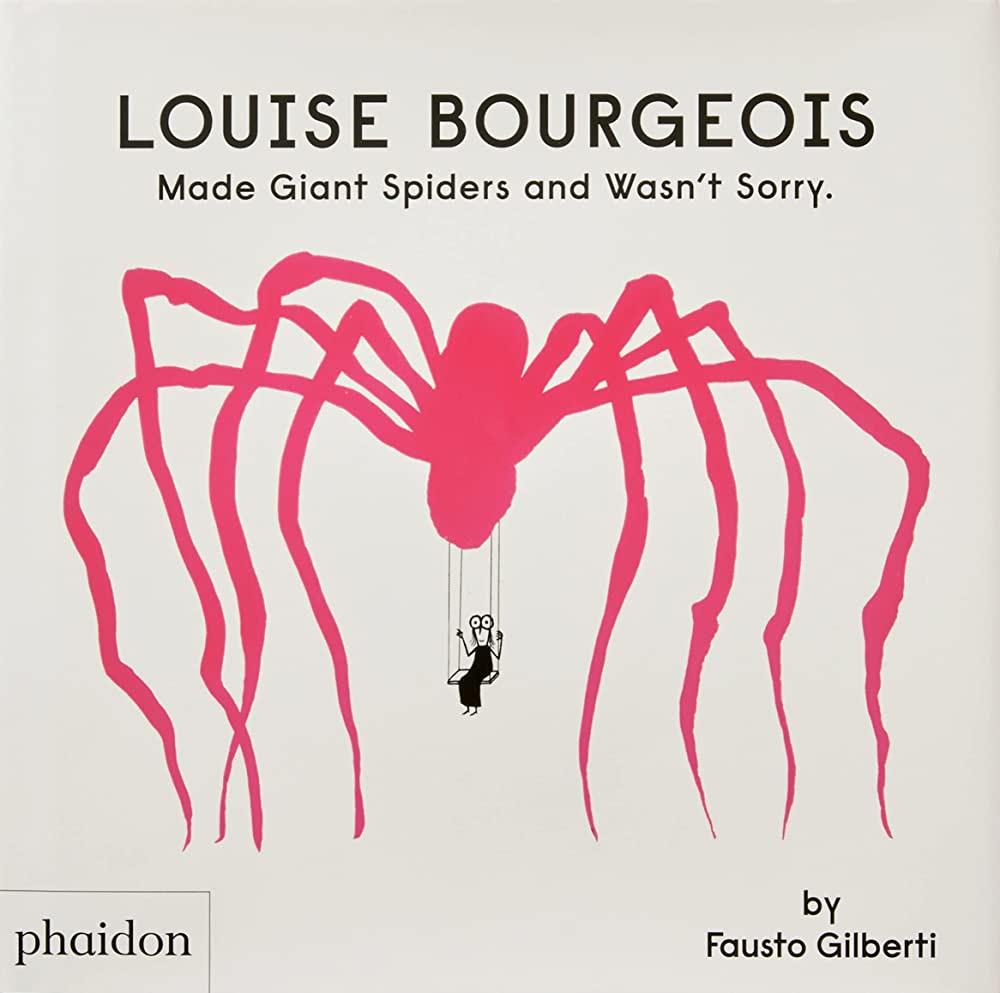
Louise Bourgeois Made Giant Spiders and Wasn’t Sorry, art for the masses

Art is weird, in the eye of the beholder, and difficult to define. Children are weird, loved by their parents more than others and sometimes exhibit behavior that’s difficult to define. Louise Bourgeois was a French-American artist who was a gifted painter but is most famous for creating large-scale sculptures. These are the big sculptures that you see around major cities that define the area and are must-see spots when you visit them. Even if you don’t know her reputation you’ll glean some idea of her work from the book’s title, Louise Bourgeois Made Giant Spiders and Wasn’t Sorry. For some readers, all you’ll need to do is mention ‘giant spiders’ and show them the artwork in the book to bait their interest hook to high.

Louise Bourgeois Made Giant Spiders and Wasn’t Sorry is an illustrated book on an artist that most don’t know and makes them care about her and her work.
Art and Children, what do they have in common?

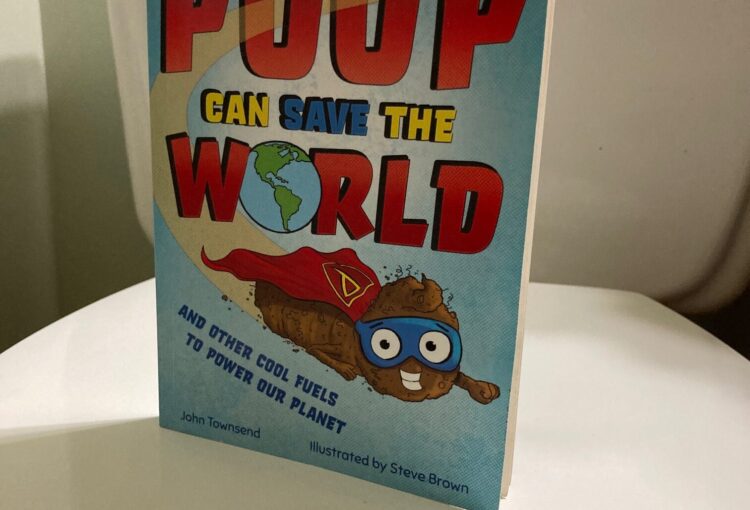
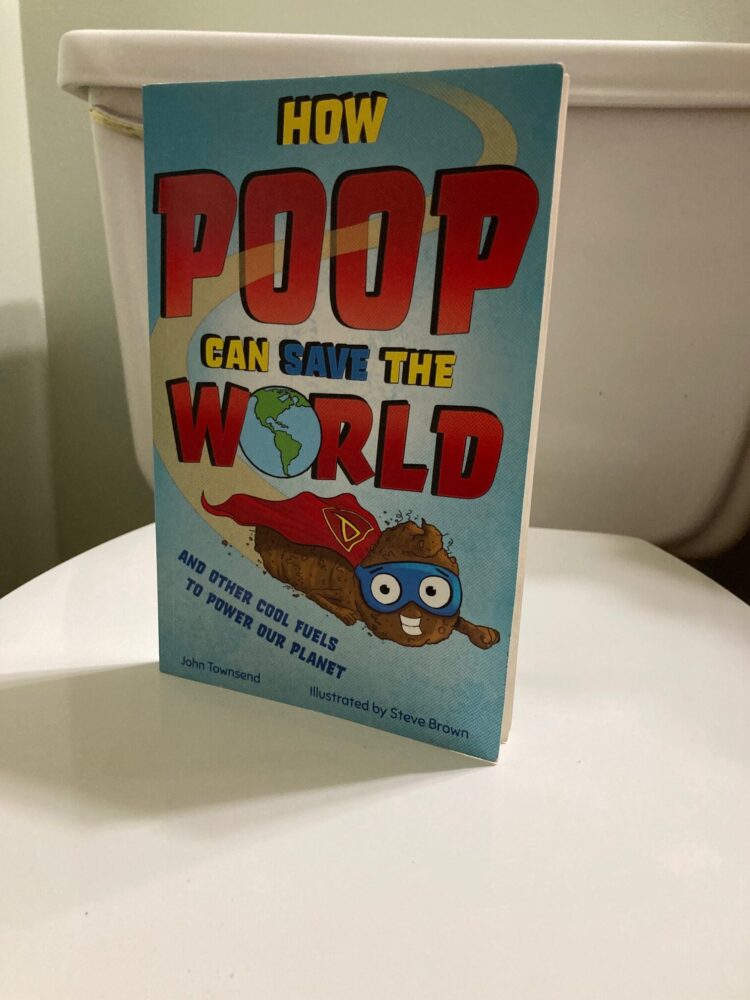
How Poop Can Save The World, STEM-minded mental martial arts with a laugh

Most fifth and fourth-grade boys have one thing on their minds. Well, video games certainly occupy a segment of their cranial space, but there’s always one portion of grey matter that is at the ready with some bathroom humor. A fart noise, poop metaphor, bathroom memory, or something else wasteful is the currency for boys at a certain stage of their life. It’s disgusting, yes. However, Dog Man and Captain Underpants are successful at hitting those ages for a reason. They embrace that baseness and run with it. How Poop Can Save The World is a chapter book that’s geared for those ages, and slightly higher, that makes no apologies for its pictures of flying poop, stool-powered puns, or any other way to make readers smile about number two.

How Poop Can Save The World is a STEM chapter book that entertainingly hits those potty humor kids right where they need it.
I’m number one, you’re number two

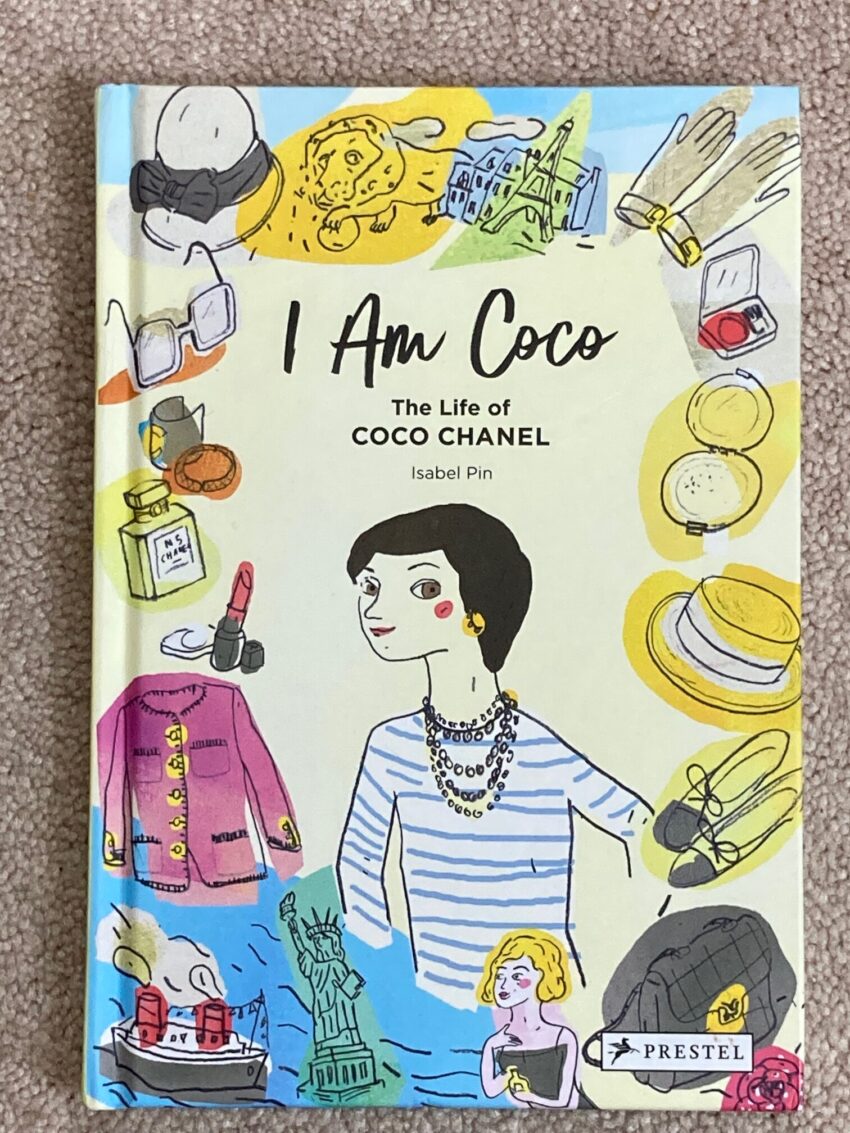
I Am Coco, a graphic novel that makes the improbable, probable

Make me interested in a quasi-graphic novel about a fashion designer. I Am Coco, The Life of Coco Chanel by Isabel Pin politely, says “Hold my glass of wine.” I Am Coco is an excellent of example of how the medium of a graphic novel is able to tell a story to an otherwise unapproachable audience. It’s not that I’m a fashion snob. It’s just that the only thing I knew about Coco Chanel is that it’s a perfume presented via esoteric voiceovers and dreamy visuals where it’s always windy and people are having grand adventures in foreign vistas with exotic animals by their feet. In reality, the story of Coco Chanel is much more about an entrepreneur who was creating her own path during a time when many of the world’s greats were making their mark.

I Am Coco, The Life of Coco Chanel is a graphic novel that looks at the icon’s life in a way that makes non-fashion folks interested.
Hold my glass of wine

Ready-To-Read Super Gross, baits the STEM hook for 2nd and 3rd graders

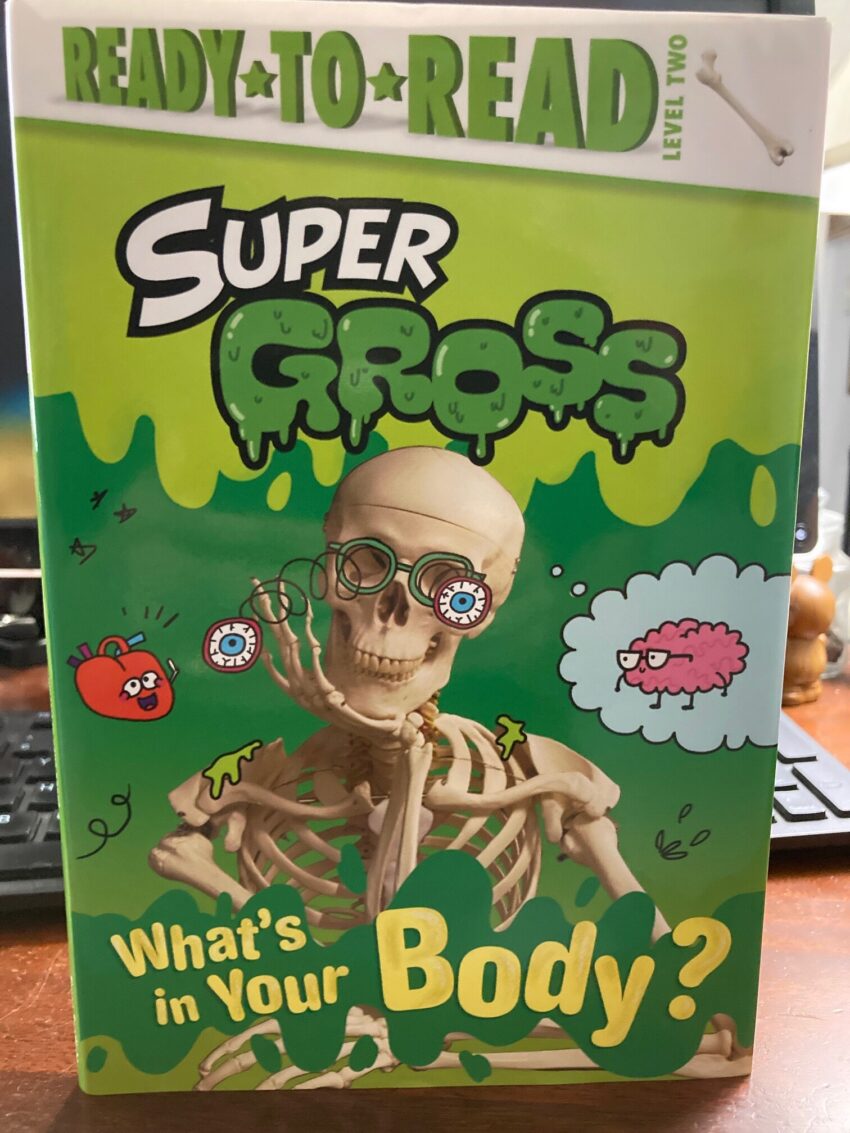
Teach a child a foreign language and the first things that they’ll remember is the profanity, slang or pickup lines. In other news: kids who only study one year of Spanish make the world’s worst interpreters.  As a testament to that, it’s been more than 25 years and I can still say “you’re very cute” in Norwegian. The gross facts from reference books, those strange blurbs about animals that they’ll never see are always the first ones to get read. How-To-Read Super Gross is a book series that leans into that tendency and gives it a big, yucky hug. What’s In Your Body? is the big font combination of photographs and illustrations and witty dialogue that emerging readers crave.

Ready-To-Read Super Gross, What’s in Your Body? perfectly sets up and answers STEM things that first through third graders want to read and talk about.
TAstey STEm for ages 5 and up

Inner Workings, a cut-through, STEM, curiosity book for a couple of pages

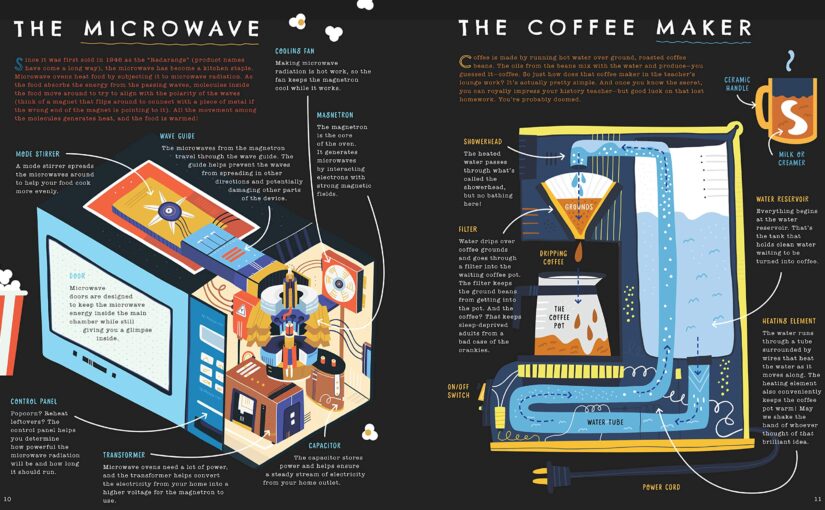
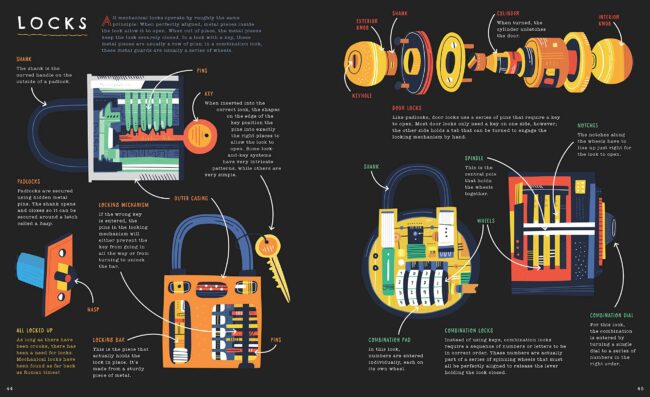
I taught a fifth-grade student who drew detailed illustrations of automobiles in his spare time. They were surprisingly intricate, exterior drawings of cars with some having overview representations of their engines. While many kids who are that age like cars, this student’s passion and talent certainly went to the next level. Inner Workings is an engineer’s look at how just over two dozen things that kids see on a daily basis work. The illustrations in the book mainly consist of cross-section pictures that are done in a classic-retro style. It’ll initially draw in those mechanical engineer kids, as well as those who are just curious about how the soft-serve ice cream machine works.

Inner Workings is a how-it’s-made book that’ll preach to the STEM, engineering crowd, but could’ve yelled at everyone with more narrative.
The STEM Choir rejoices, but it could’ve reached wider and higher

Koala, an engaging narrative look at this cute, smelly animal

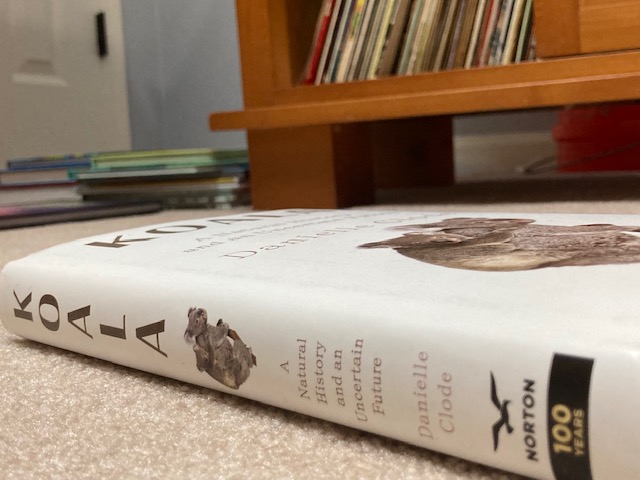
Koalas are the cutest things on Earth that people outside of Australia will never see in real life. They also smell like the worst parts of a wet pug. Koala, A Natural History and an Uncertain Future is a narrative look at these marsupials that are only able to eat one thing. And even then, that Eucalypti tree might not be the correct species, which means that our cuddly little friend won’t eat it. Throughout history the koala has almost been an afterthought; when Europeans first landed in Australia they didn’t notice them for a decade and it took another 20 years for them to actually be studied.

Koala is a look at this cute, potentially smelly, poison-leaf eating marsupial that hugs its way into our hearts, via its history, research and conservation.

Naturalist history via a storytelling lens
Copy Protected by Chetan's WP-Copyprotect.