Marie Curie and the Power of Persistence, silly + science adds up to fun

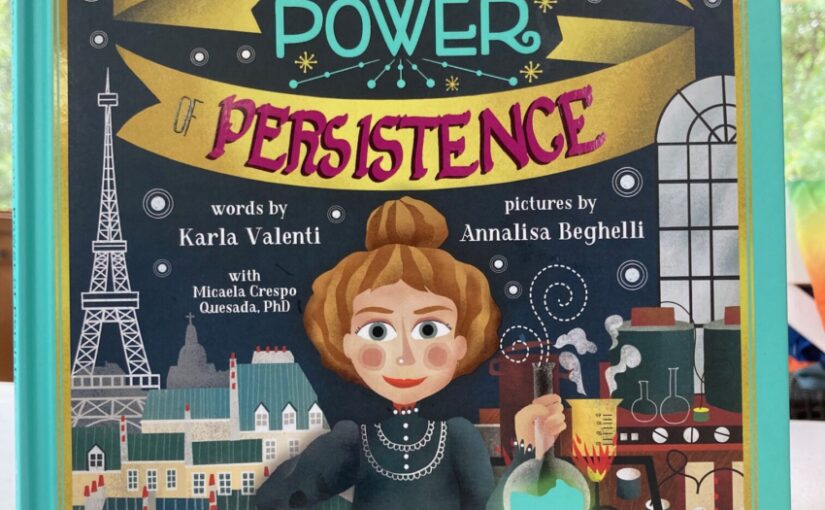
I’m currently teaching AP Literature and English. It’s fascinating because it looks at things from an entirely different angle, in addition to things that I never knew to things that I might be overthinking. For example, in my notes, there were several activities titled “MC practice”. I assumed that it was some AP or higher lever in dissecting text. In researching it I learned that there’s a musical group on Soundcloud by the same name and several consulting firms that probably help you practice things. In addition to remembering our basic abbreviations, I’m teaching lots of classes on perspective and how altering it will wildly change how the story is understood or enjoyed.  This is relevant because I just read Marie Curie and the Power of Persistence. It’s an illustrated book that could’ve easily fallen into a trap of mediocrity but avoids that due to its perspective.

Marie Curie and the Power of Persistence is non-fiction illustrated book that adds elements of silly without watering down the power of her real life.
This is far from your typical illustrated book on Marie Curie

Men of the 65th, Borinqueneers, Korean War and mglit history

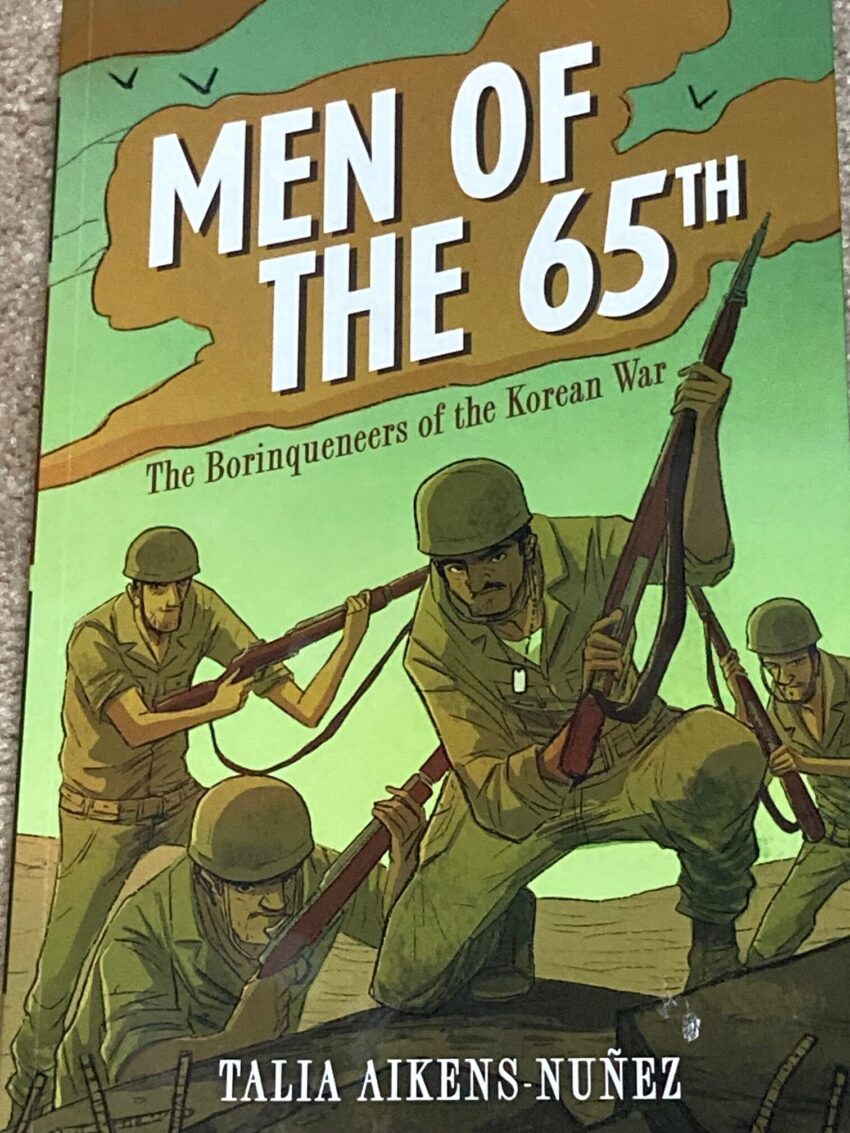
Uphill, both ways, that’s the cliché that parents will use when describing how challenging things were when they were younger as compared to today’s children. It’s usually preceded or followed by “back in my day” for full get-off-of-my-lawn effect. In that vein, Men of the 65th: The Borinqueneers of the Korean War has the very challenging goal of making readers care about a regiment that they probably haven’t heard of from a war that they most likely know nothing about. To make things even more problematic, the book is aimed at middle and high school students.

Men of the 65th is a non-fiction look at this Puerto Rican regiment that served heroically but was castigated due to prejudice.
Non-fiction that plays it straight for middle school and up

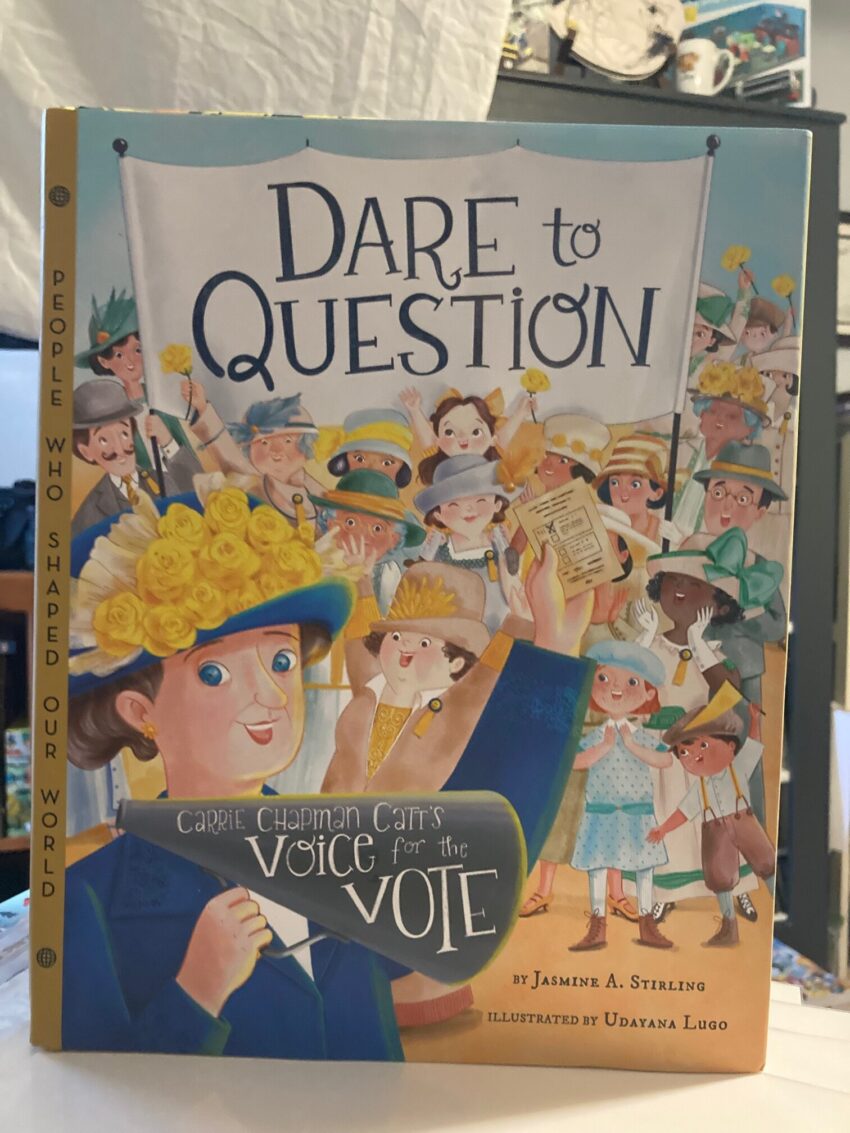
Dare to Question, an approachable, illustrated book look at suffrage

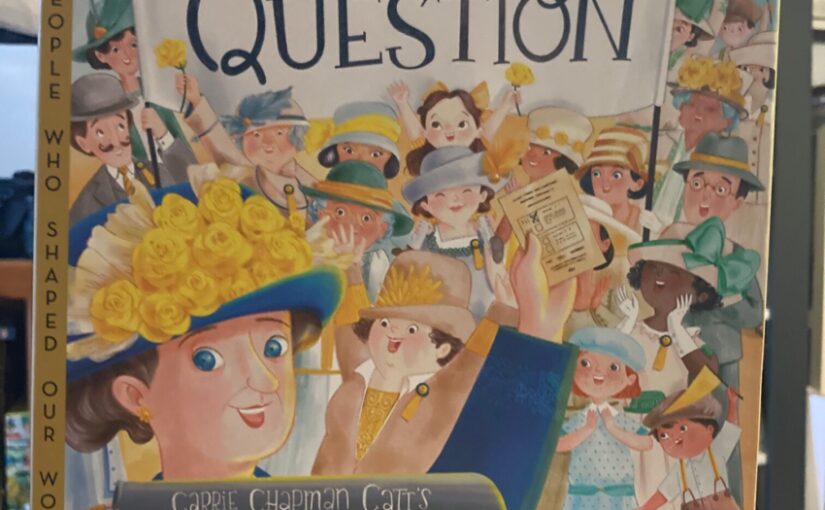
The question behind Dare to Question: Carrie Chapman Carr’s Voice for the Vote seems so simple in hindsight. However, in the late 1800s, the fact that women weren’t able to vote was a given, a fact of life whose era was coming to an end thanks to suffrage. Dare to Question is an illustrated book that takes a look at the end of that issue thanks to Carrie Chapman Carr. And depending on the adult who’s reading the book it’ll take off in just the right direction and get young readers thinking about things that they think might be out of their control.

Dare to Question is an illustrated book on women’s right to vote that speaks on a level that early elementary will understand and maybe build their own questions.
non-fiction that early through mid-elementary will dig…and question

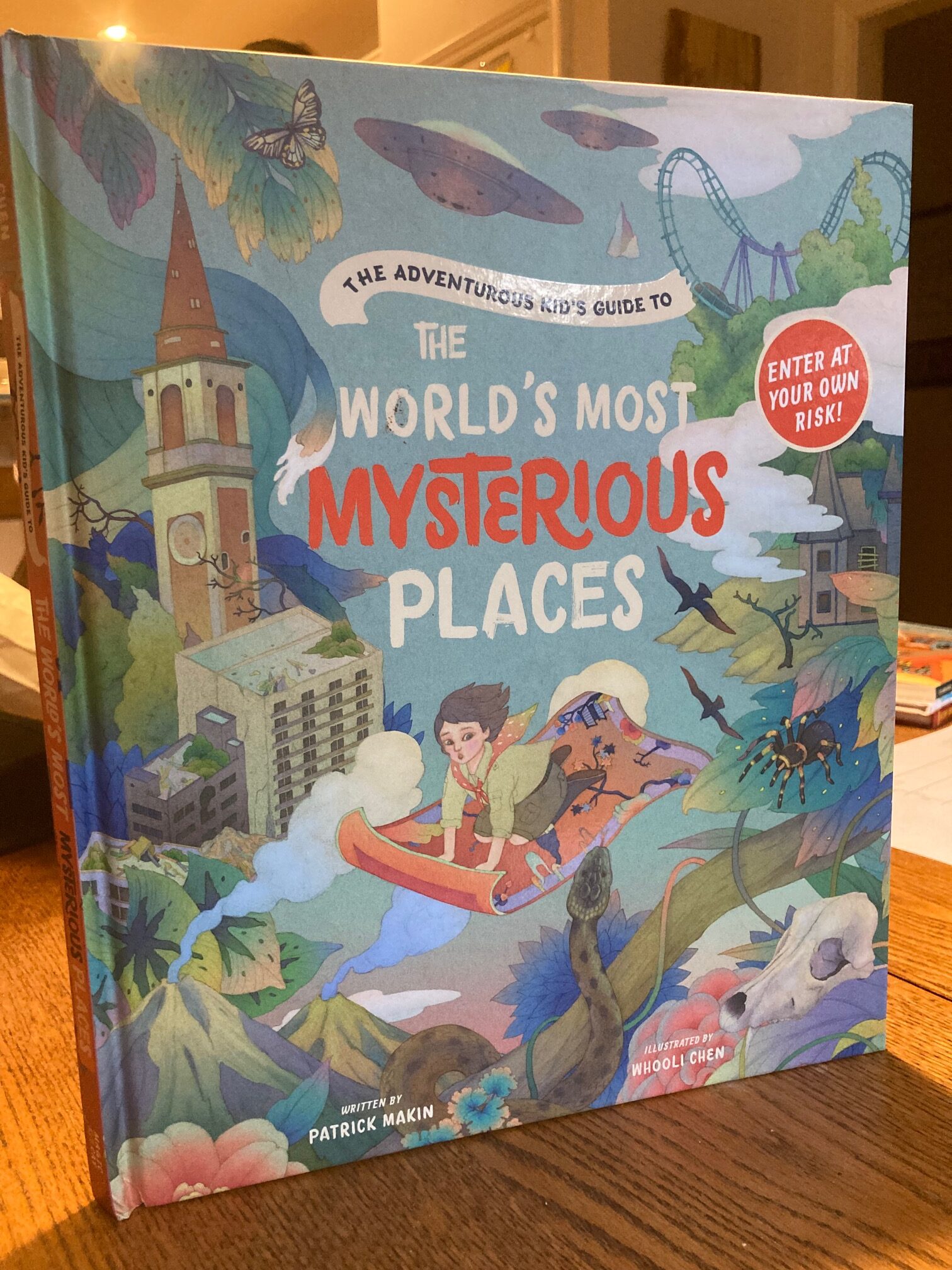
The World’s Most Mysterious Places is a kid’s look at things they want to know

The Adventurous Kid’s Guide to The World’s Most Mysterious Places is the literary equivalent to Youtube food. Those who hang around upper elementary through lower middle school students can relate to that metaphor. It’s those ages that are apt to start a sentence with “Did you know that…?” to which you’ll be regulated to something that’s questionable true, demonstrably false, fake news or a little-known fact that makes those ages stop, repeat it to their friends and then find more like that. The difference is that The Adventurous Kid’s Guide to The World’s Most Mysterious Places is 100% non-fiction. It’s an impossibly addictive, oversized illustrated book that examines 19 places that exist, or have existed and lets fourth through sixth-grade student know why they should be interested in them.

The Adventurous Kid’s Guide to The World’s Most Mysterious Places, an illustrated book that kids won’t be able to look away from, for ages eight through 12.
Non-fiction that hooks ages 7 through 12

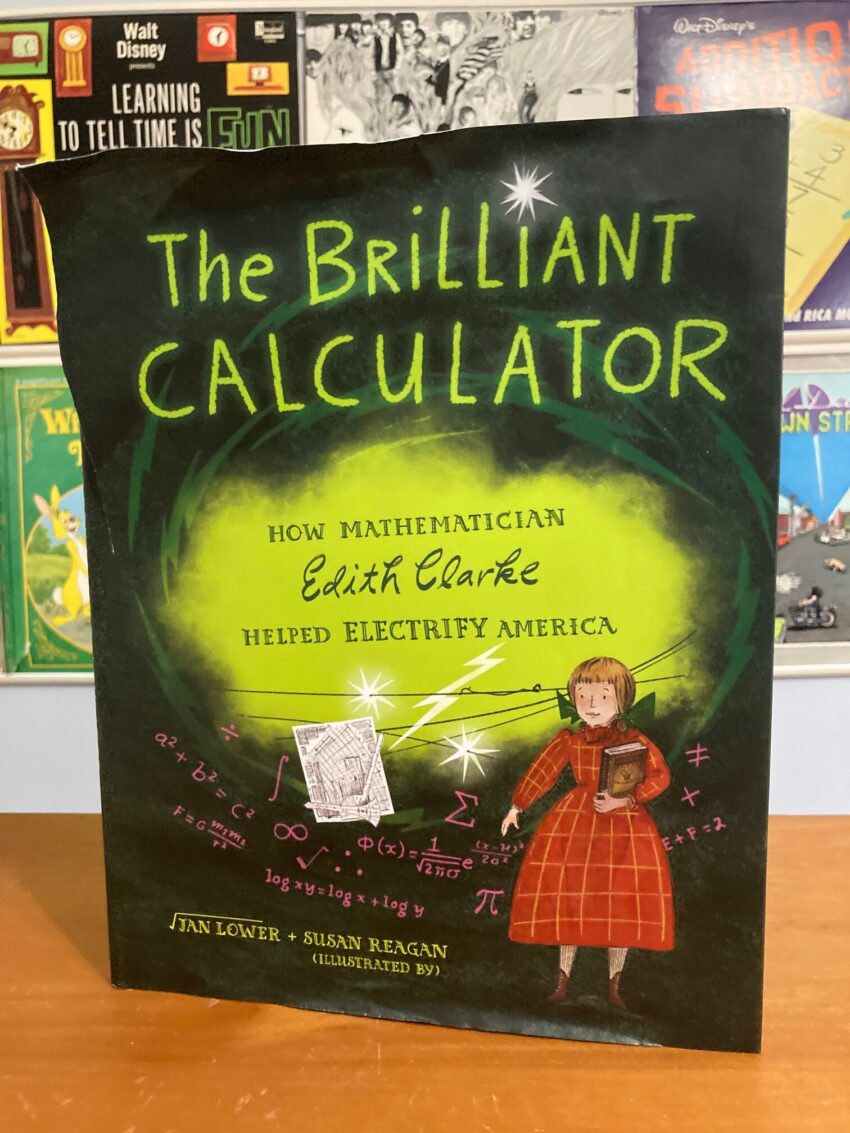
The Brilliant Calculator, STEM illustrated magic on leveling up the power grid

The Clarke Calculator is something that I’ve never seen, touched or used, yet its application is demonstrated everywhere I go. It’s not a regular calculator. Heck, it’s not even a scientific calculator. The Brilliant Calculator: How Mathematician Edith Clarke Helped Electrify America follows Edith Clarke’s lifelong passion for numbers and her specific invention that helped electric power wires handle to juice needed for a growing America.

The Brilliant Calculator is an unlikely and empowering STEM illustrated story about Edith Clarke, a woman who invented something that few of us will use, but all of us take advantage of.
Stories like these are what make kids think outside of the box

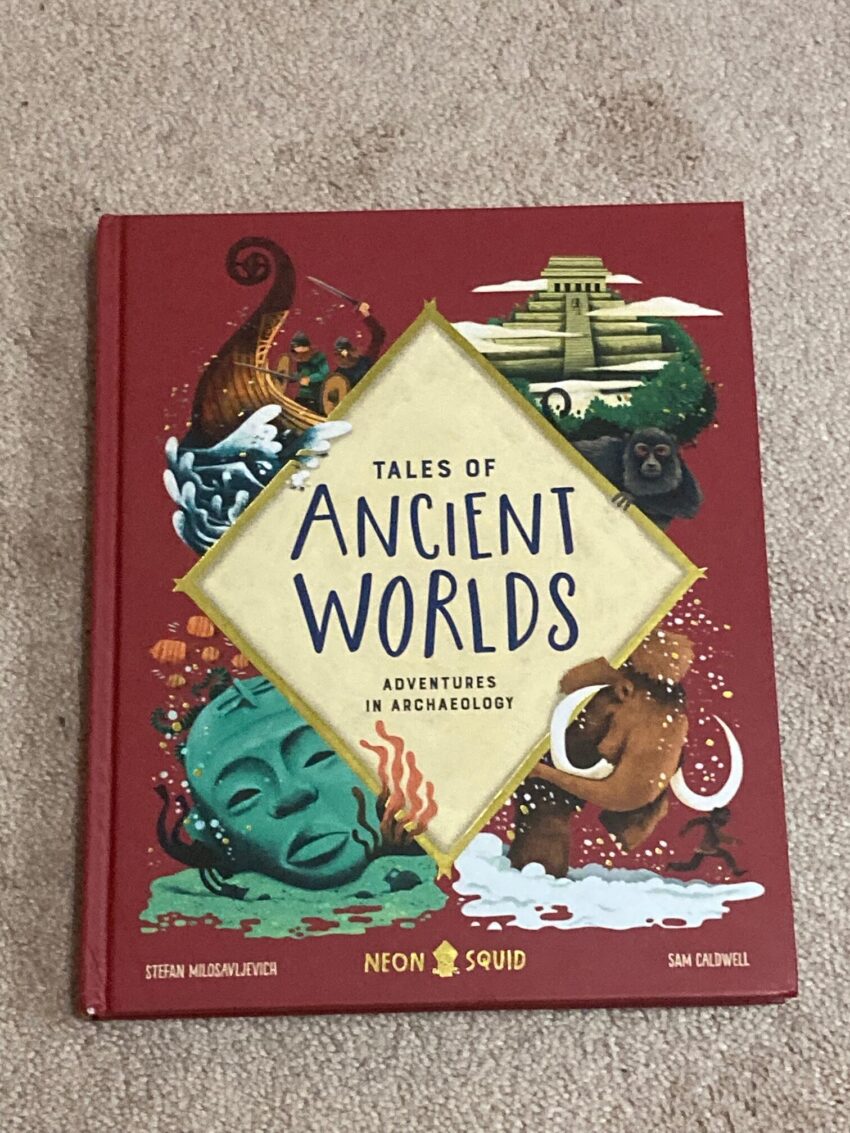
Tales of Ancient Worlds, potato chip history for fourth grade and up

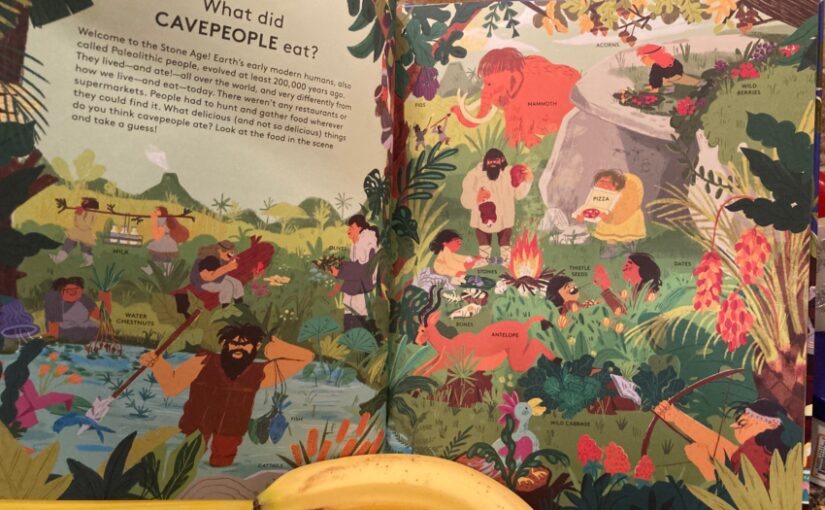
Imagine a world where Indiana Jones and the National Treasure movies never existed. Yeah, it would certainly be a world where quality cinema was lacking three or four excellent films between the two series. But, even in that situation, kids would still be fascinated by archeology and ancient worlds. That’s where Tales of Ancient Worlds: Adventures in Archeology hits home. It is a reference book, but education and the fruits that it yields are awesome. This is a book that’s tailor-made for fourth or fifth-graders on many levels.

Tales of Ancient Worlds: Adventures in Archeology is the armchair compendium that every erstwhile fourth-grade Indiana Jones needs to show them the light.

It’s fun! It’s educational It’s entertaining! It teaches!

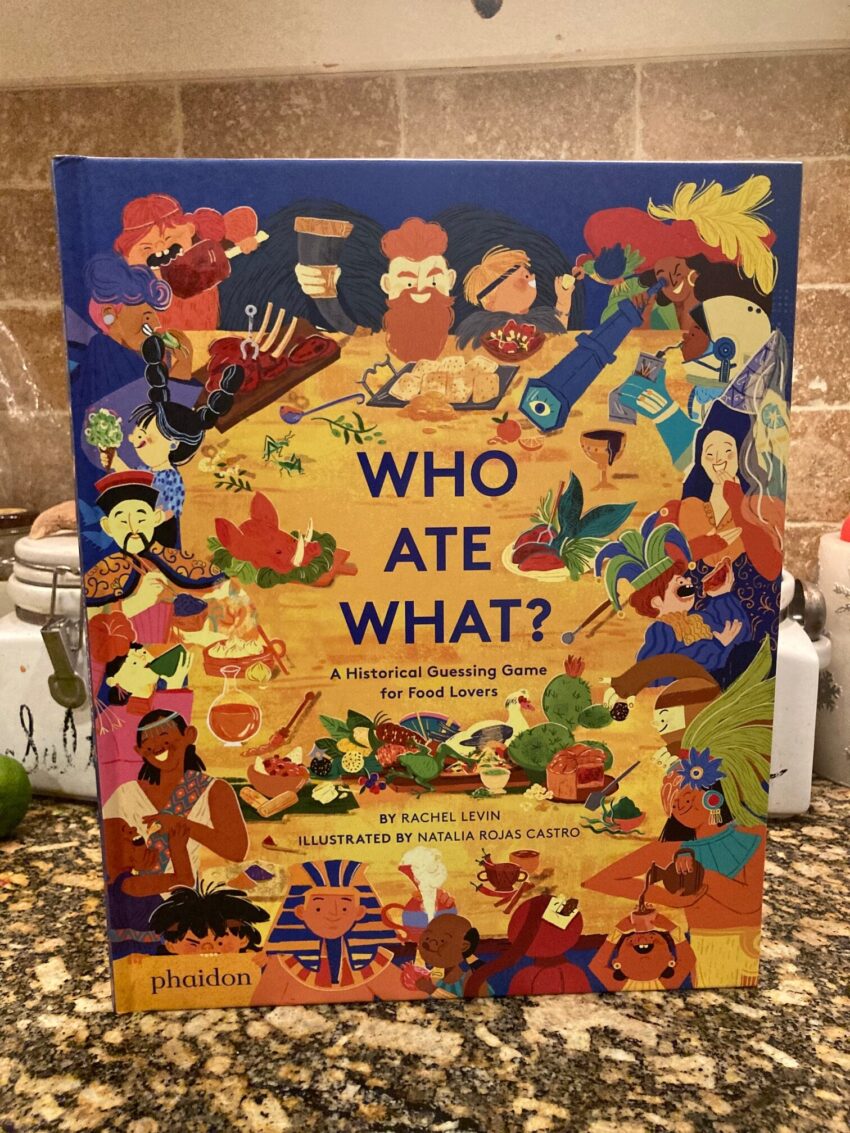
Who Ate What?, a fun, engaging guessing game through history

I like to imagine conversations between myself and some of the elementary school aged children that I teach. Here’s one that’s running through me head right now about Who Ate What? A Historical Guessing Game for Food Lovers.

8YO kid: I don’t like to read

Me: Do you like ninjas and cave people?

Kid: Yes, highly respected elementary school teacher, I do like to look at pictures of them.

Me: You should check out Who Ate What?

Kid: That sounds like a book that would make me read something. Me no like printed paper learning.

Me: Well, it is a book, but it’s an illustrated book that looks at well known civilizations, how they lived and what they ate or drank; thus the title, Who Ate What?

Who Ate What? is a fun guessing game for elementary school audiences that makes them ask questions and think about things.
Have you ever written something that only you will probably read?

The Astronaut’s Guide to Leaving the Planet, 6th-grade go-to space project gold

Don’t tell yourself no. There are many dozens of wisdom nuggets in The Astronaut’s Guide to Leaving the Planet, but that one is a favorite of ours. Being an astronaut is a job that’s easily identifiable to an elementary-aged student. An analyst or working in public relations are amorphous jobs that are challenging to quantifiably explain what you do in a way that those age’s will understand. But an astronaut that’s a job that everyone knows, even if they don’t know how to become one. For a book centered on leaving the planet, The Astronaut’s Guide to Leaving the Planet has street-cred galore.

The Astronaut’s Guide to Leaving the Planet is an entertaining chapter book that’s custom made for 5th or 6th graders to learn about an out-of-this-world profession.
What Would the Astronaut do?
Copy Protected by Chetan's WP-Copyprotect.