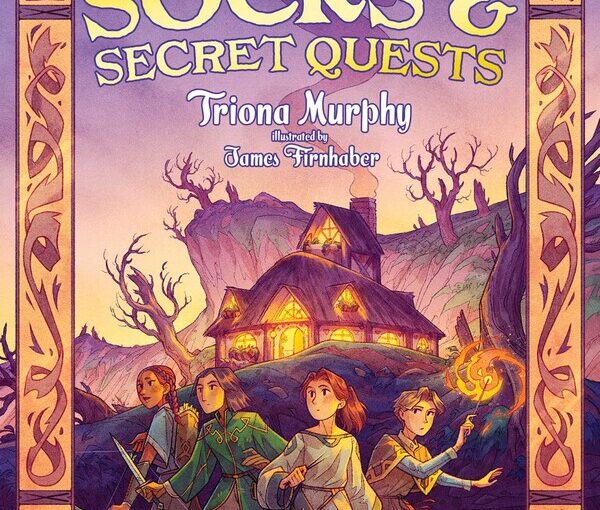
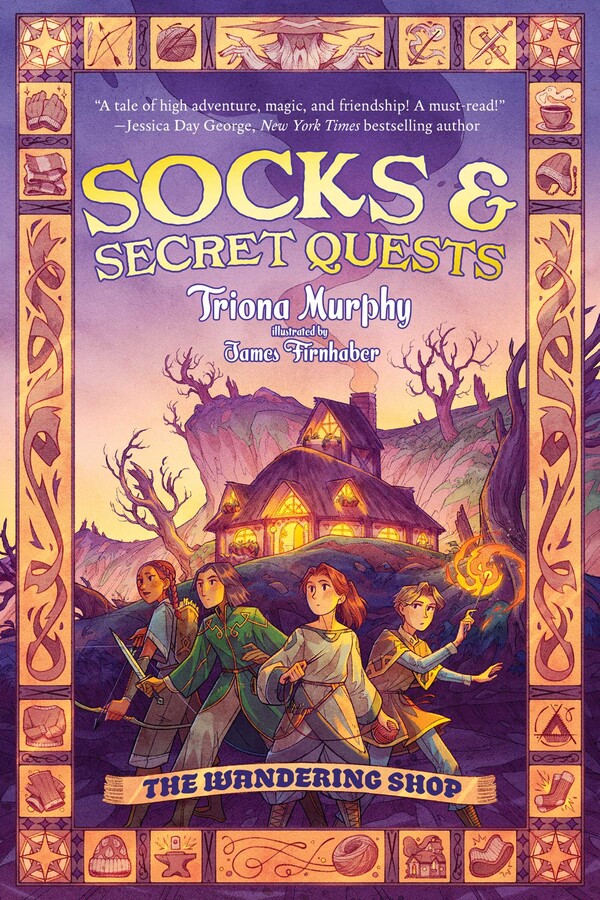
This is quite the adventure, I thought to myself as I was one chapter into reading Socks & Secret Quests: The Wandering Shop. That further got me thinking of how few books I read that can truly be called “an adventure”. There are a majority of books that are entertaining, and some that are great, but “an adventure”, that all-but reads itself is quite rare. Socks & Secret Quests: The Wandering Shop so perfectly nails the it factor that some books lack.
In our top 5 at year’s end for sureTag: Antheneum Books for Young Readers
Rebellion 1776: A Captivating Read for Reluctant Students
Don Quixote charges at the windmill, raging at the fact that people don’t read enough. “This is actually good”, said a ninth-grade student of mine today as they were thinking about the two-page article they’d read. Granted, I had just spoken to them about their less-than-stellar grades and they were probably trying to placate me, but I’ll take it as a win. This all leads to Rebellion 1776. This is historical fiction that cooks at a slow boil, but is bubbling over the sides of the pot before you realize it.

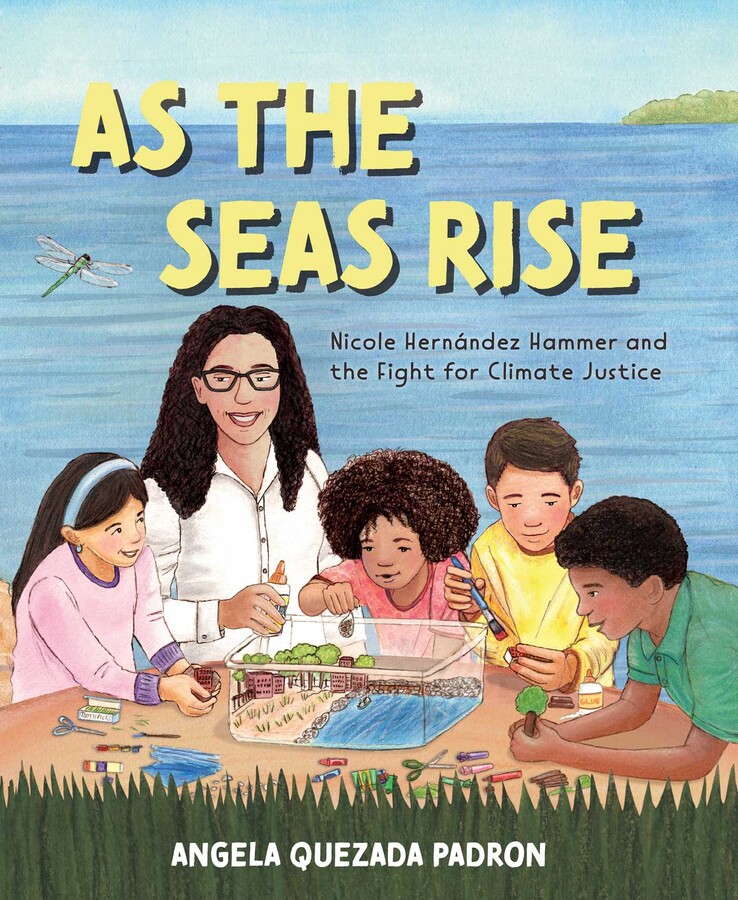
As The Seas Rise, soft eco message mixed with too much faux can do
Adults who visit an elementary school library will experience various thoughts. Look at how skinny these books are. Look at how many books are in this library. How can all of these books get the attention that they deserve? As The Seas Rise is an illustrated book with noble intentions but is five eras too late. The rise of sea level and climate change is science, it’s happening, but I would argue that some books do more to damage the greater cause than the good that it intends. For example, if this book were more informational about sunny day flooding then it would have more of a punch and immediacy. As it stands, the book melds one strong issue, a soft character portrait, and an environmental issue that’s tough for kids to comprehend into a listless illustrated story adrift in a crowded library of better books.
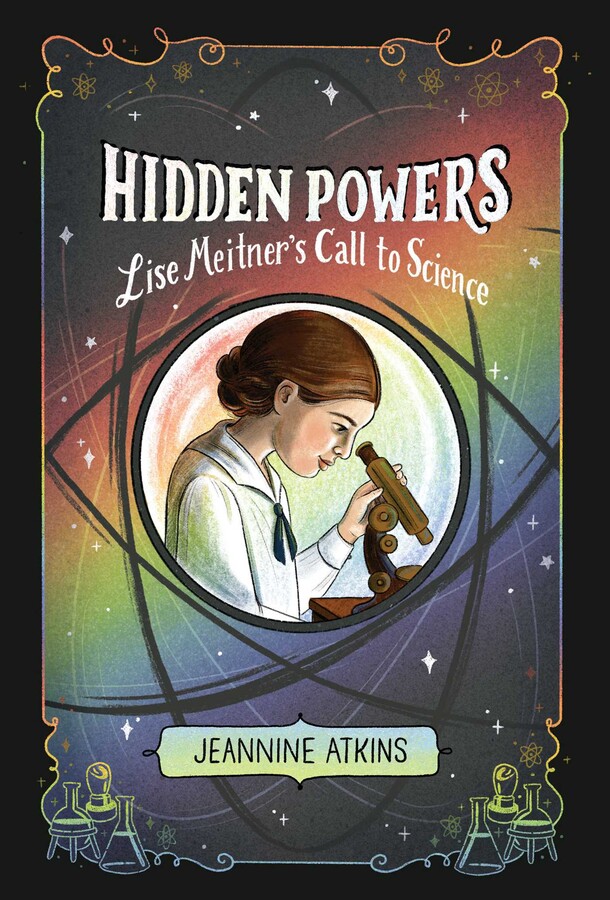
An eco book too far, save paper. Don’t buy it.Hidden Powers: Lise Meitner’s Call to Science, unexpected power in poetry
Imagine that you love pizza. Granted that’s not a stretch for most people, but let’s establish the fact that you love pizza. Now, you’re given something that has all of the ingredients of pizza, but it’s not circular or square, it’s a rhombus or some other rogue shape that shakes up your otherwise perfect pizza senses. You eat this oddly shaped thing and it tastes great. Then you find out that the crust is made of cauliflower, but it’s great so you keep on eating it. At the end of the pizza, you’re rethinking shapes that previously couldn’t possibly be that greasy wheel that you love so much and are thinking of different shaped food that you could enjoy.


Facebook
Twitter
Youtube