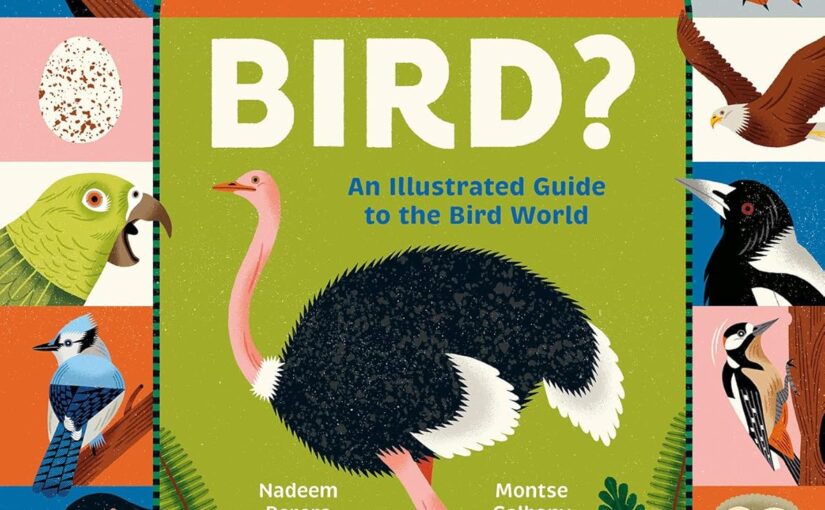
Quite often, we’ll talk about all-age comic books. These are comic books that can be enjoyed by any age; but have the ability to serve as entertainment for young ages. Is there such a thing as an all-age reference book? There is, but to call them a ‘reference book’ could be a disservice to how entertaining some of them are. What Makes A Bird? An Illustrated Guide to the Bird World is a fun, entertaining ‘reference book’ that belies the dreaded boring label young ages might apply to something that’s not brain rot. The book has a classic, timeless vibe that can be attributed to its illustrations and presentation.
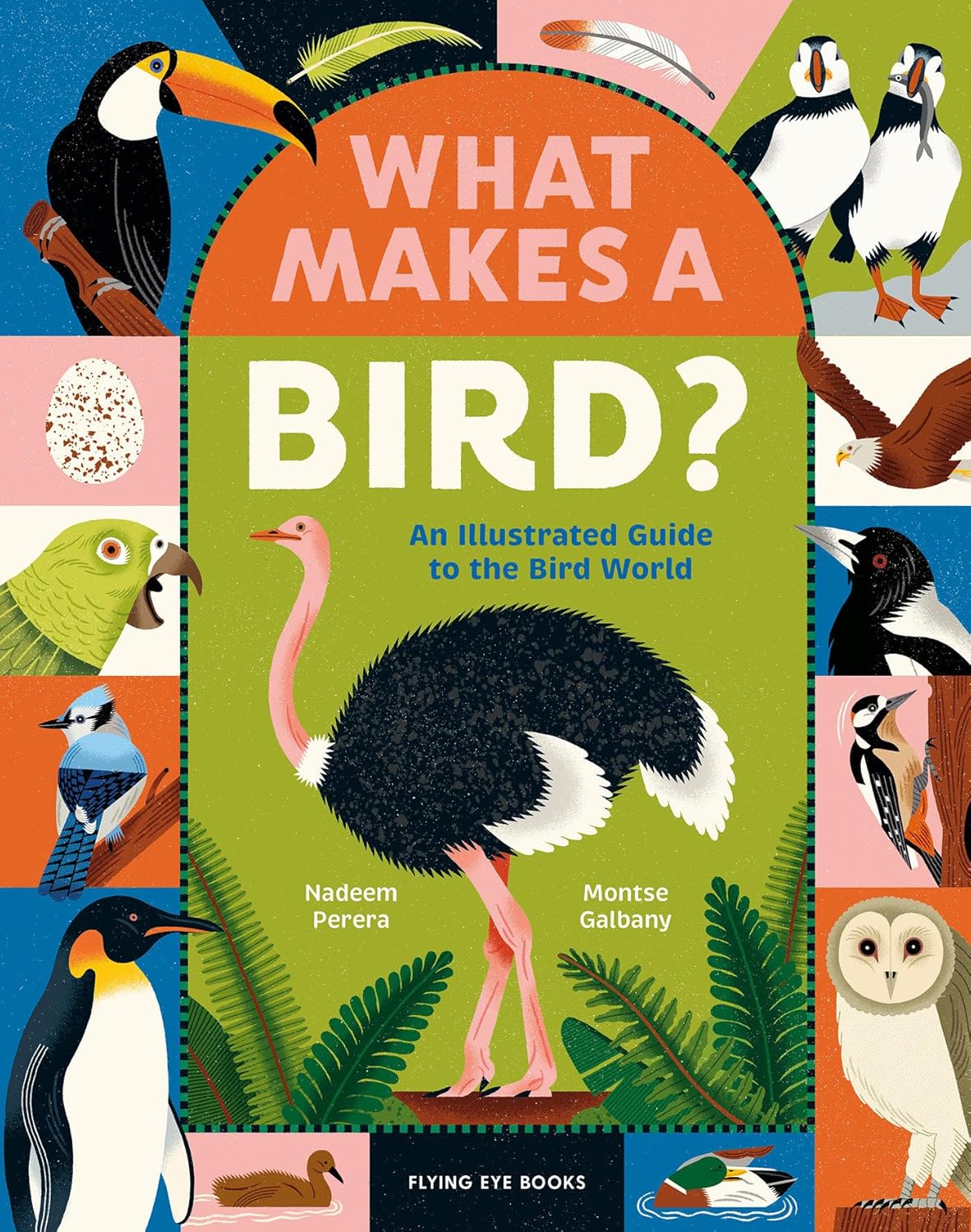
If it weren’t a newly published book, adults would be forgiven for thinking that What Makes A Bird? was something that they read back in the day. The colors on its cover and in the book itself, have a muted, somewhat aged appearance. The front cover has intention divots in the body of the ostrich that beg for young readers to trace their outline. The images of the birds on the cover are embossed, further demanding that readers of any age feel them.
When it’s done correctly, this will complete the TPR (Total Physical Response) method of teaching. It’ll get them touching, then they’ll listen when the book as its read to them, and probably have the confidence to attempt to read the book themselves. The presentation of the book is so effective, even before kids open it, that they’ll want to open it, if nothing else just to see if it matches the curiosity of its cover.
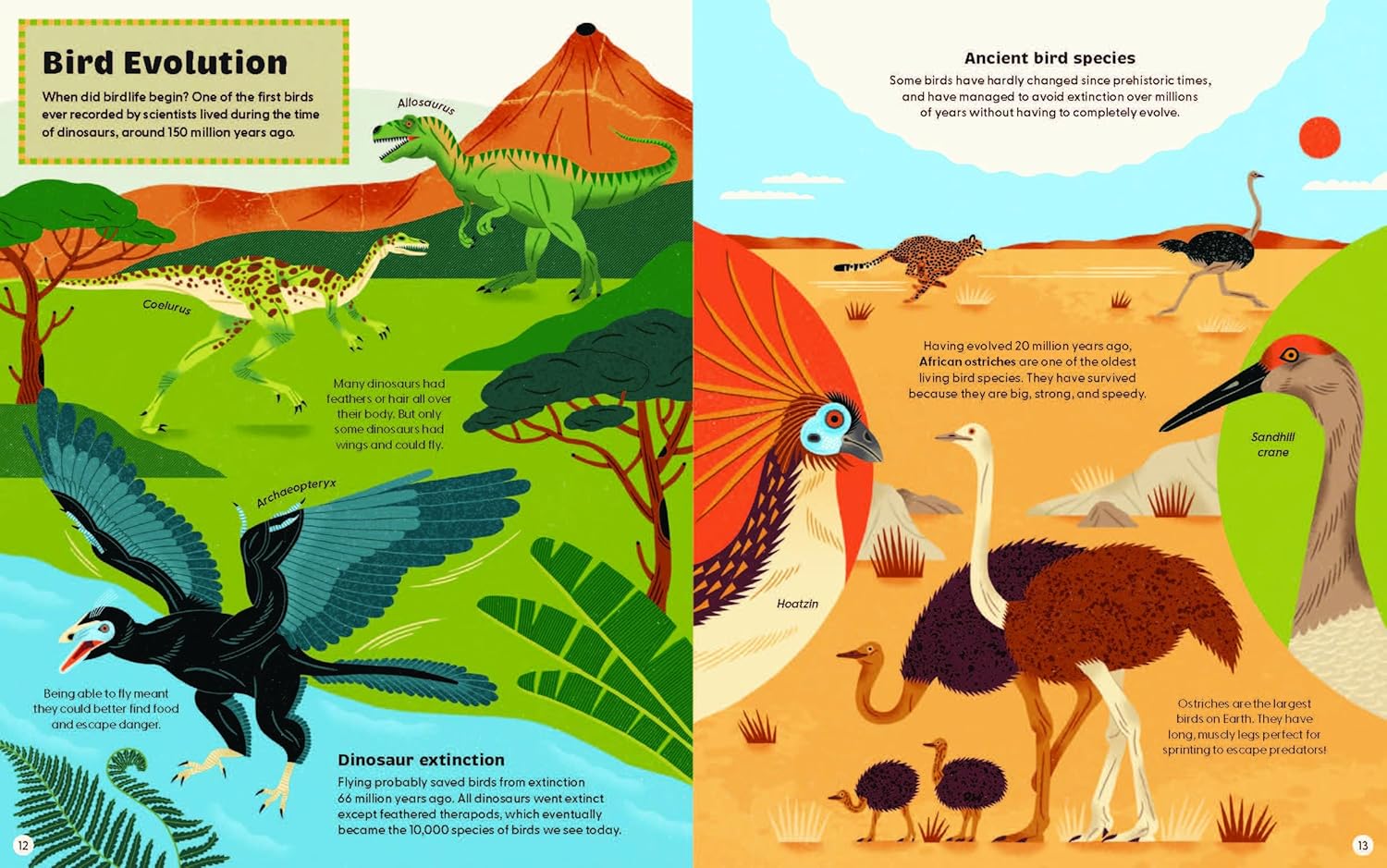
What Makes A Bird? got the memo on how to make a (reference) book appealing to young ages. There’s a table of contents, glossary and index, three things that advanced readers need in order to make researching papers easier. It also has the side effect of making younger readers feel older, which they all secretly want.
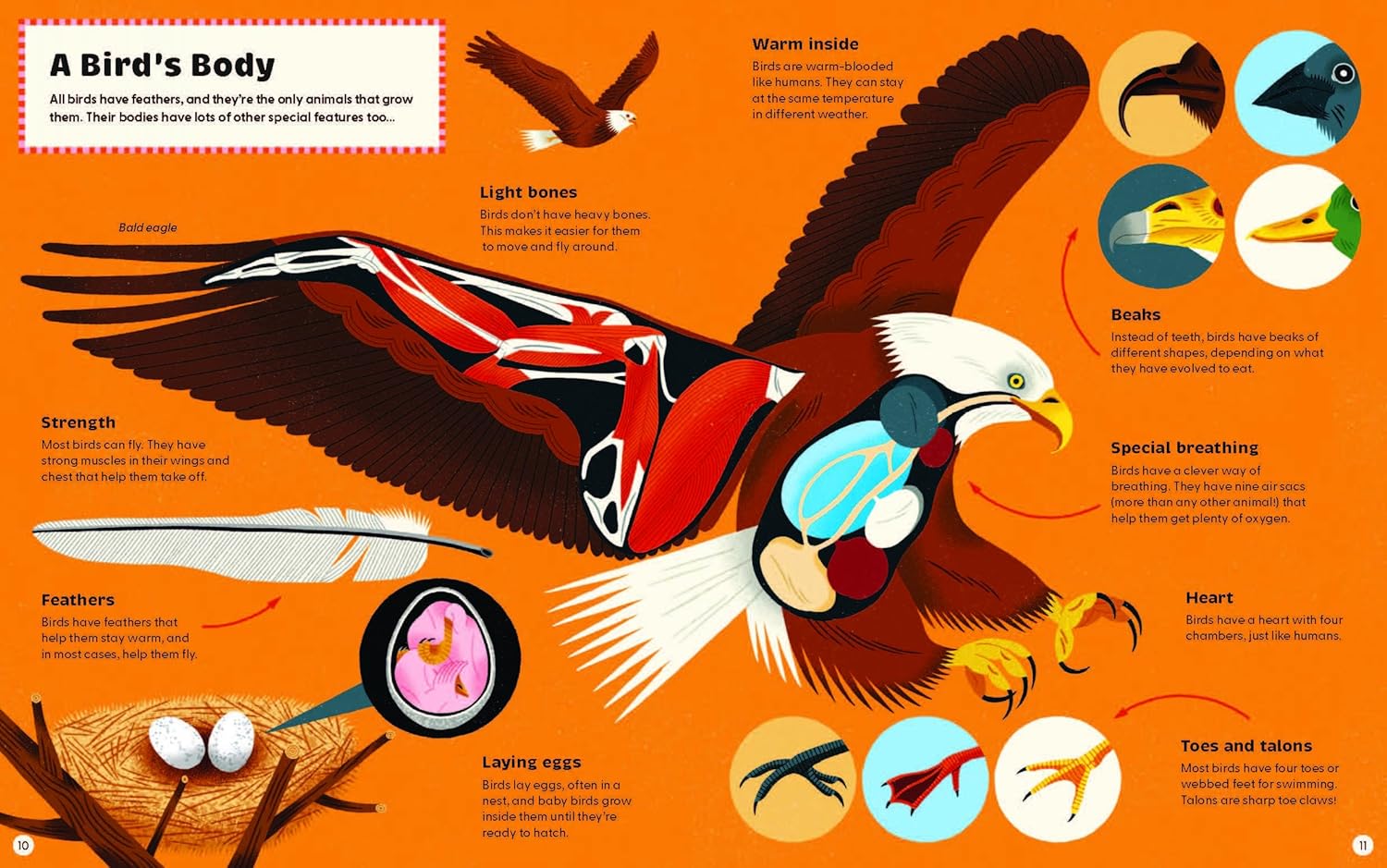
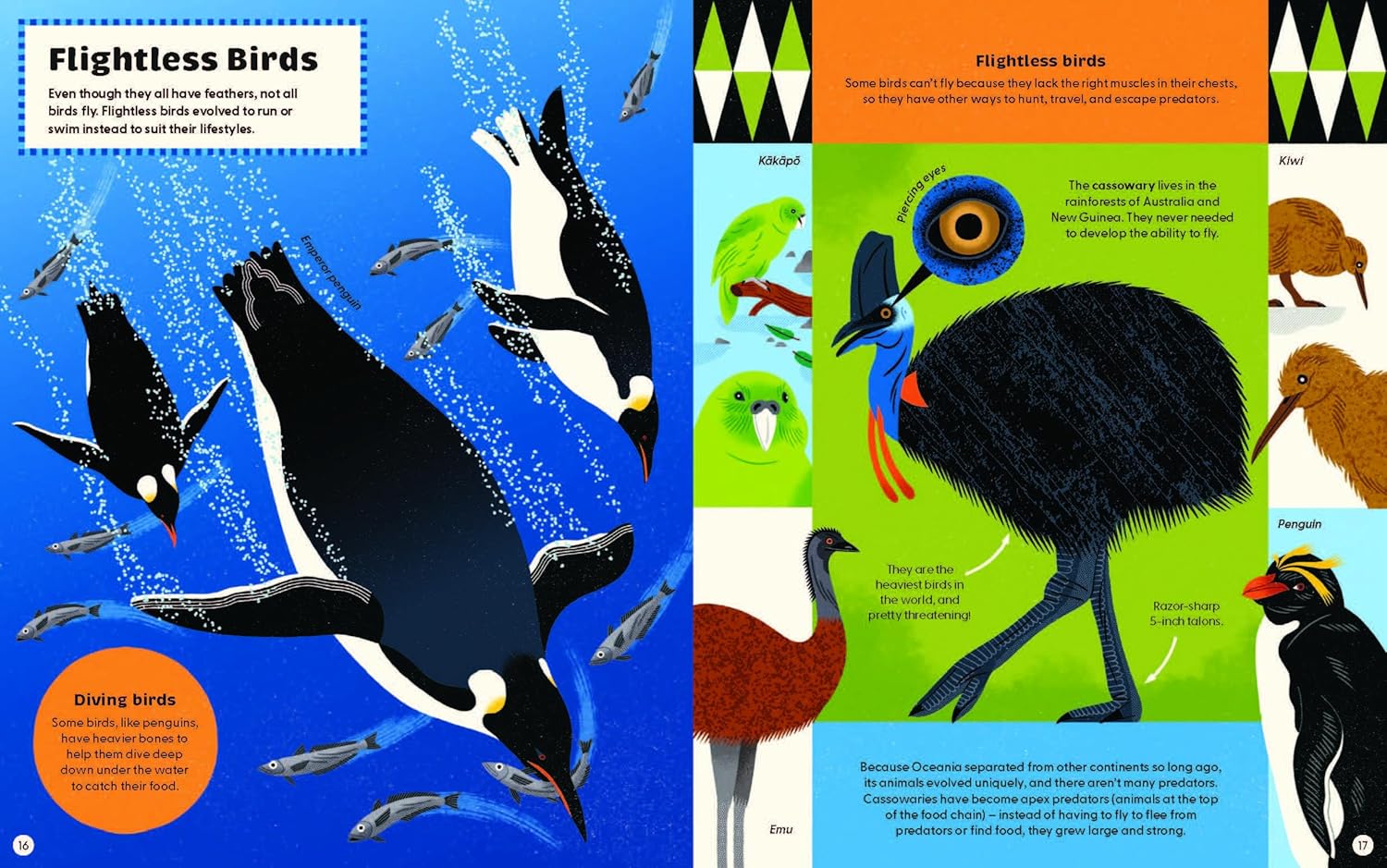
The illustrations in the book are big, playful and detailed. However, they’re not so much they intimidate younger readers or give older reader a ‘baby book’ sensation. What Makes A Bird? also doesn’t inundate readers with too much data or information.
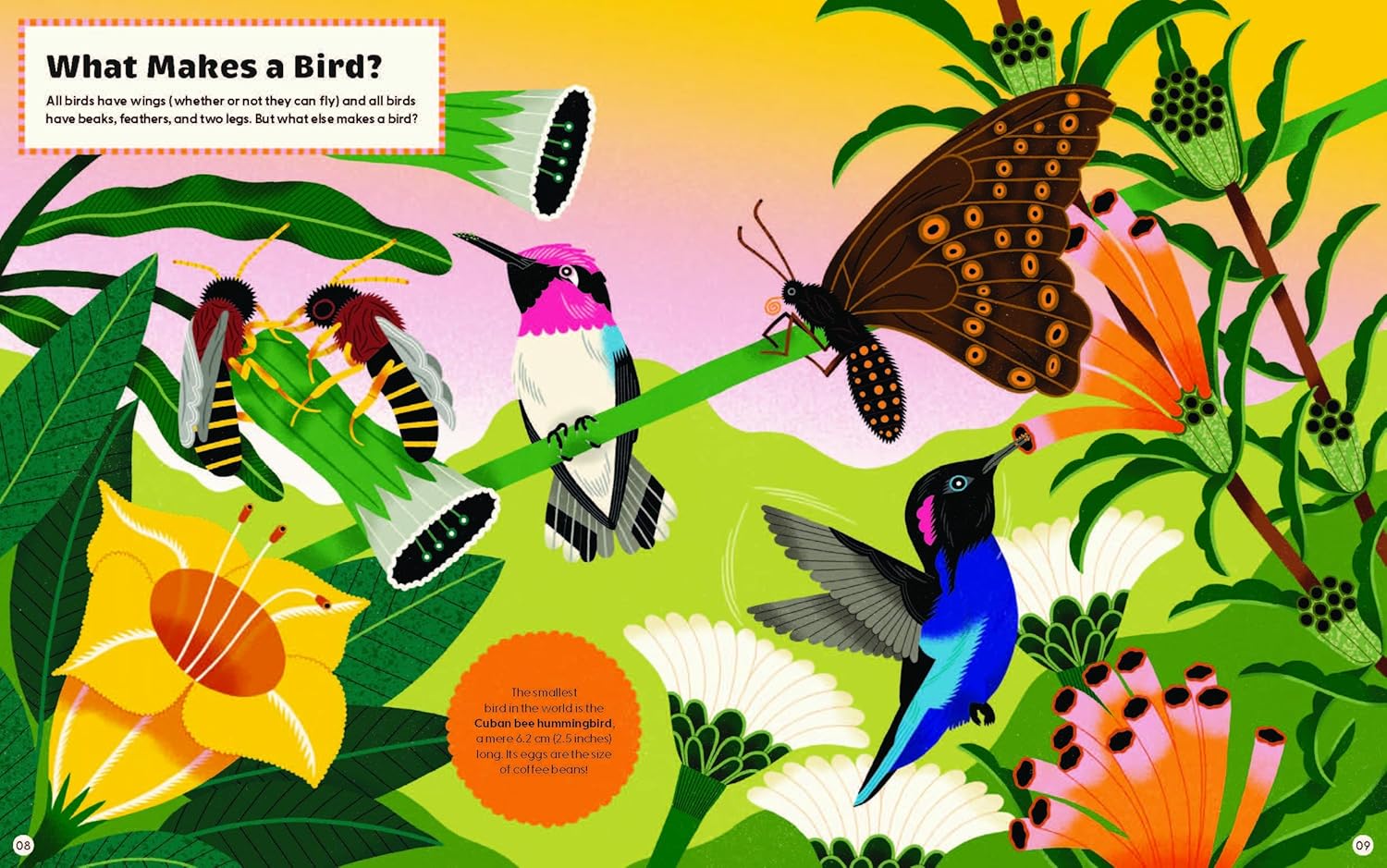
For example, on the first page you’ll see two sentences that serve as an introduction. “The smallest bird in the world is the Cuban bee hummingbird, a mere 6.2 cm (2.5 inches) long. Its eggs are the size of coffee beans!” The bits of information parry and thrust like that throughout the book. They’re two sentences where one will state a fact and the other will comment on something interesting about the bird.
Crows in Akita, Japan, drop walnuts on the street so that the cars can break them open for them. Tiny burrowing owls live in cool, underground dens in the South American desert. The European starlings are those birds that dance in massive flocks at dusk. The Edible-nest swiftlets are tiny birds in Southeast Asia that make their nests out of their own saliva. Stop me please.
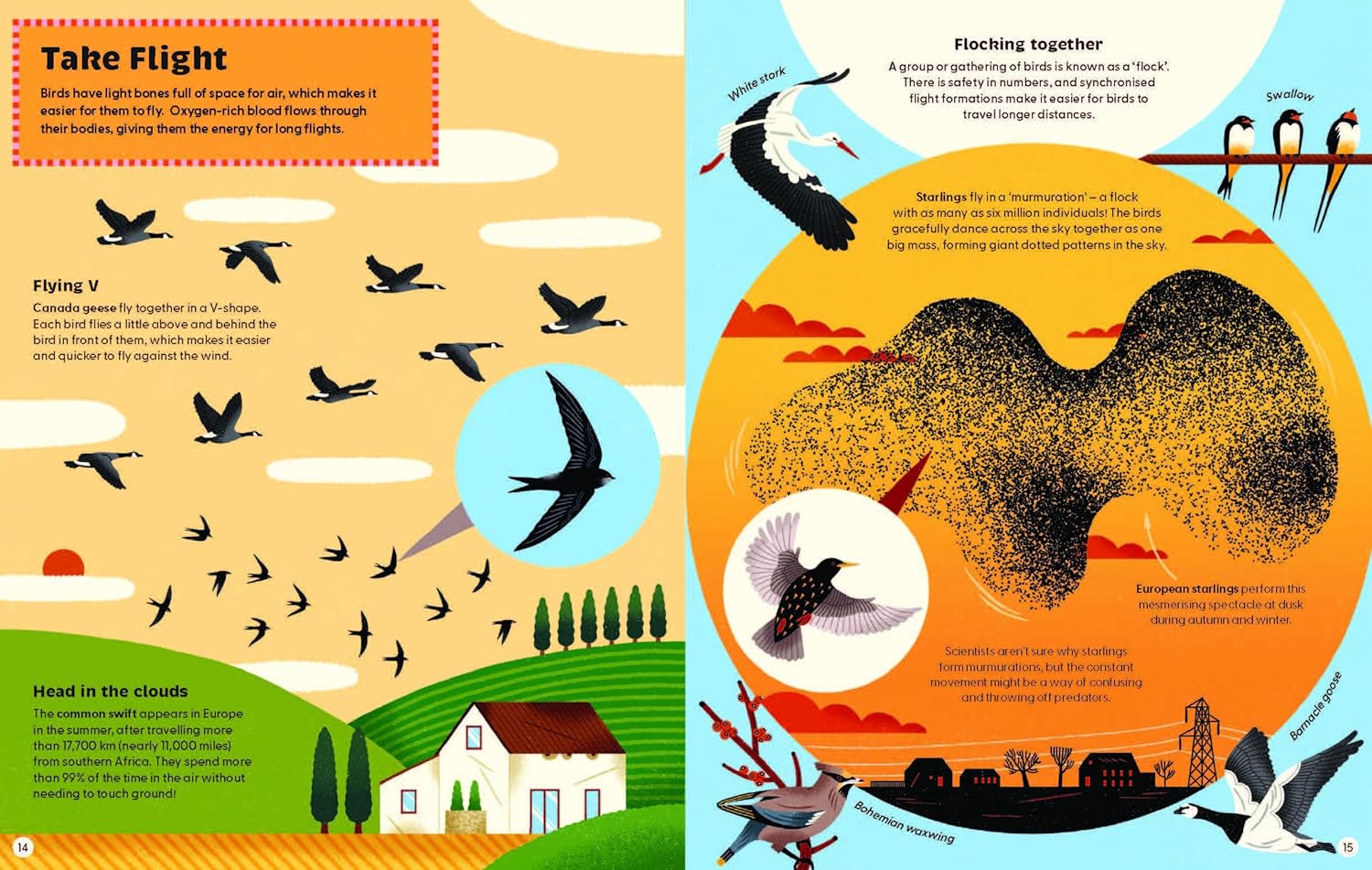
What Makes A Bird? has that effect on people of any age. There is a logical progression to how the book is organized, and you can follow it according to the numbered pages. You can also turn to any page, be entertained and maybe discover something you otherwise wouldn’t. Its distinct colors and classic-felling pages will bring you back many times. The pages smell like a classic book. Is there a classic book fragrance that publishers can get their hands on? Every book doesn’t have it, but every book that we’ve read from Flying Eye Book does have that scent. It reminds you of your childhood and will ooze in that comforting aroma to you any young reader, simply adding another dimension to the TPR enjoyment of it.
What Makes A Bird? An Illustrated Guide to the Bird World is by Nadeem Perera and Montse Galbany and is available on Flying Eye Books.
There are affiliate links in this post.


 Facebook
 Twitter
 Youtube