Hi, Daddy Mojo here and in the immortal words of Billy Mays, but wait, there’s more, there is more to Sunday. The wordplay in the text is very clever and parlays the meanings behind some of the imagery. When Martin and Maize return, the eight pages where the three of them sit on the sofa could have been a snoozefest that made readers of all ages check out the book. Instead, it sucks readers in further simply by focusing in on the details. It’s just a black hole, but I keep getting closer and closer until I can only see the closing void of space.
Sunday, sunday, more than the sum of its beautiful partsCategory: Elementary school
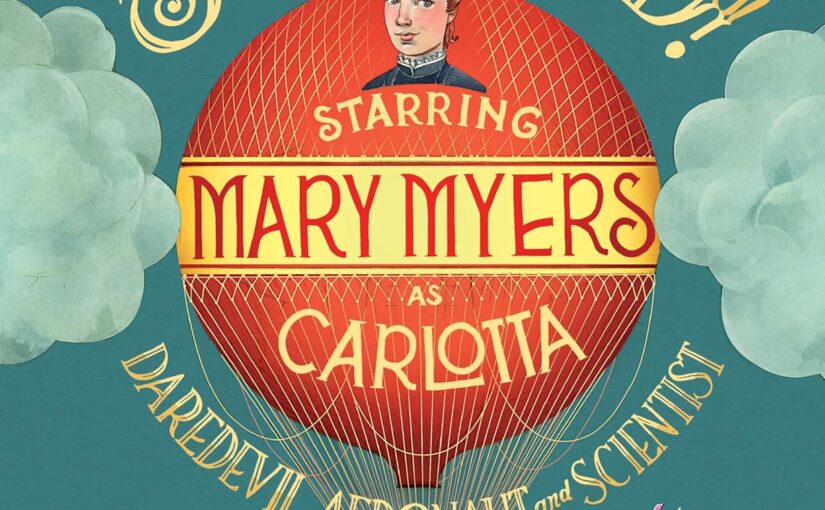
Skybound!, a non-fiction, entrepreneurial illustrated book is easy to love
Why do we read? There’s a poster in a class that I’m teaching now that lists Great Reasons to Read. Yeah, that list might seem passé or obligatory, but for a group of high school students who would sooner watch paint dry, so long as it’s on their cell phone, they need to be reminded as to what reading can do for their ever-growing brains. Skybound! Starring Mary Myers as Carlotta, Daredevil Aeronaut and Scientist check off every one of the things listed on that list, if such a list exists for elementary school ages. Spoiler alert: that list exists and it’s the same one that’s in the high school class; it’s just that young audiences like elementary school readers need to have it presented with a little more panache, enthusiasm, and show.

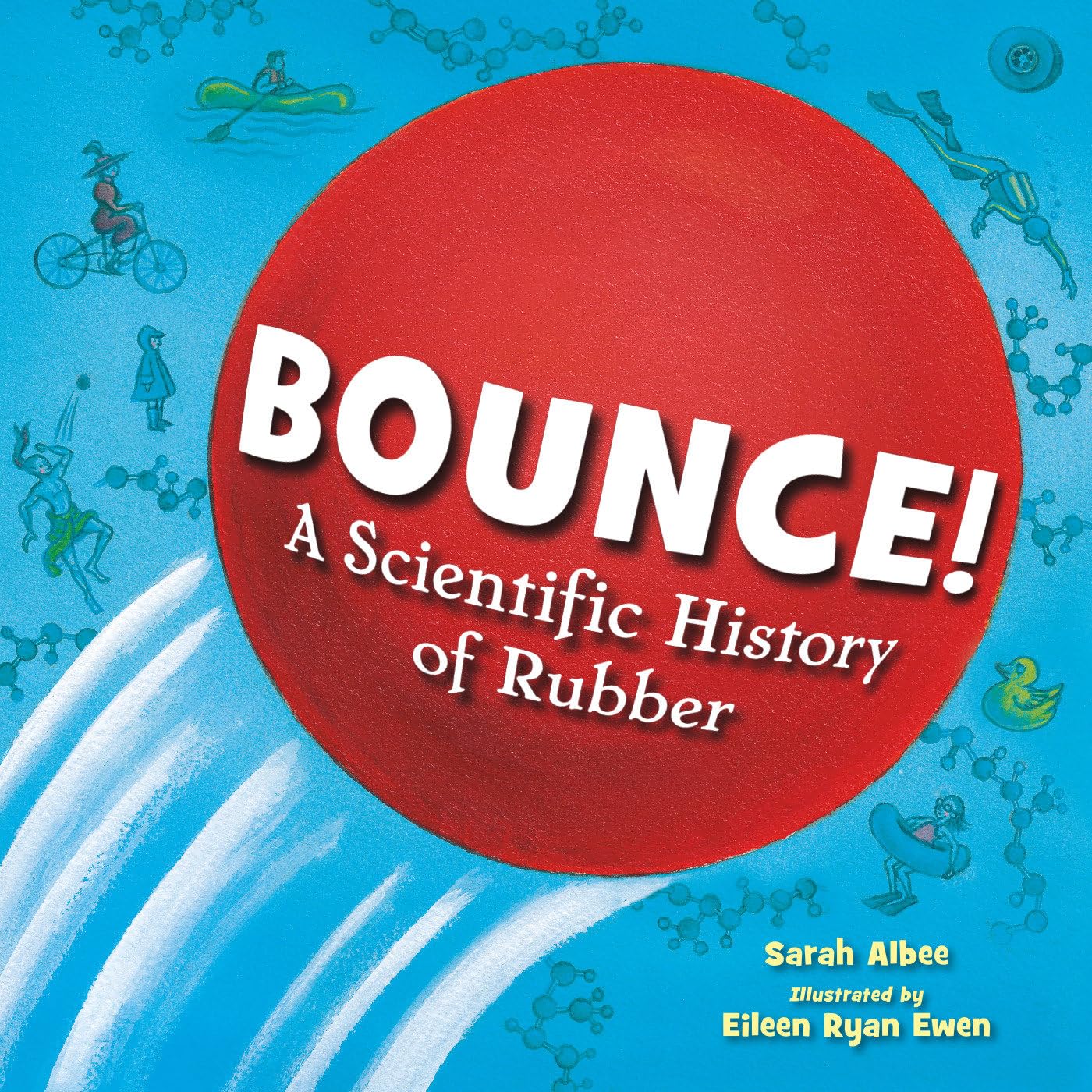
Bounce! A Scientific History of Rubber-STEM story and fun for ages 6 and up
This is a thick book. Why is this book so thick? It’s either loaded with fluff or has too many white pages. Alas, it is thick, but its physical pages are thicker than the average illustrated book, plus it’s loaded with fun, easy-to-understand, STEM facts about the evolution and process of rubber. To those first reactions I say, don’t be intimidated by its thickness. Instead, just enjoy the fact that Bounce! A Scientific History of Rubber is able to create a non-fiction, linear story with STEM nuggets woven in that young readers won’t be turned off by. It can be challenging to get young readers to accept illustrated books that don’t have unicorns or animals in it, thus the first hurdle towards getting them in the book is not getting in the way.
Bounce! Before it was a verb that the kids say “to leave”Why You Need to Read My Vampire vs. Your Werewolf
The problem with a Paul Tobin book is that you want to read every word. That’s not really a problem per se, but you want to get to the end of it so that you can find out how all of this silliness ends. And we mean that in the fondest of ways. My Vampire vs. Your Werewolf takes a premise that elementary ages, middle school students and RPG gamers have kicked around since they were first staked or howled at the moon. The moment you mention the title your mind starts to play out how they would fight, what environment would be friendliest to each monster and how could such a battle realistically take place without attracting massive amounts of attention.

Discover Why Kids Love The First Cat In Space Ate Pizza #1,
Young readers and reluctant readers have more in common than they think. Reluctant readers in most cases just think that they don’t want to read. Assuming that we’re talking about young, elementary school ages, both groups have to find the vehicle that can get them to realize that reading is not punishment. It’s got to be a book so relentlessly fun, over the top silly that it commands young people to engage in something by themselves, for their own enjoyment. The First Cat In Space Ate Pizza is the first book in the series that takes its rightful place alongside Dog Man and Investigators as the go-to graphic novel series for ages seven and up. This book also came out a couple of years ago, so if you’re judging as to why it’s just being reviewed now, I say be curious, not judgmental.

Theodora Hendrix: A Fun Chapter Book for Young Readers
It’s a great feeling for parents, educators and most of all, children, when they can comfortably carry around a chapter book. Those first and second graders might carry around Dog Man, but it probably belongs to their older sibling. It’s in late second grade, third grade and hopefully by fourth grade when kids start carrying books like Theodora Hendrix and the Curious Case of the Cursed Beetle. That’s an alliteration in case you’re reviewing that term for seventh-grade ELA. This is second entry in a ridiculously fun chapter-book series that run with silly characters, age-appropriate monsters, and just enough evil to thrill ages 7-10.

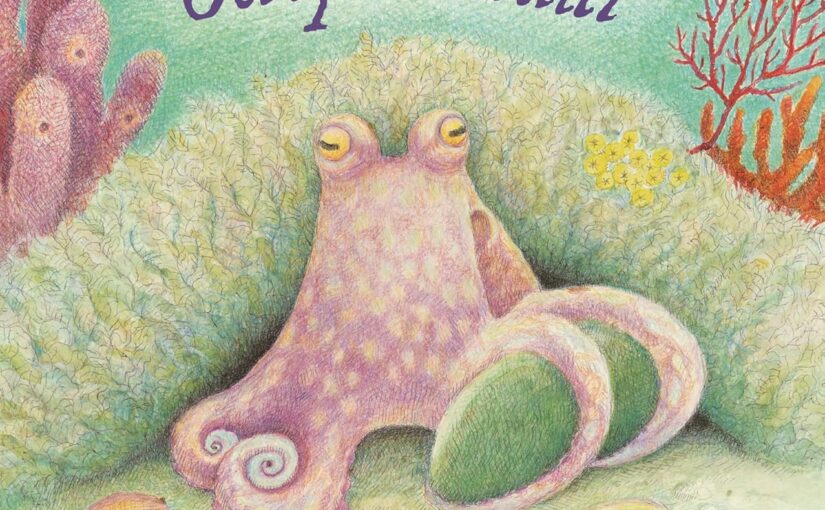
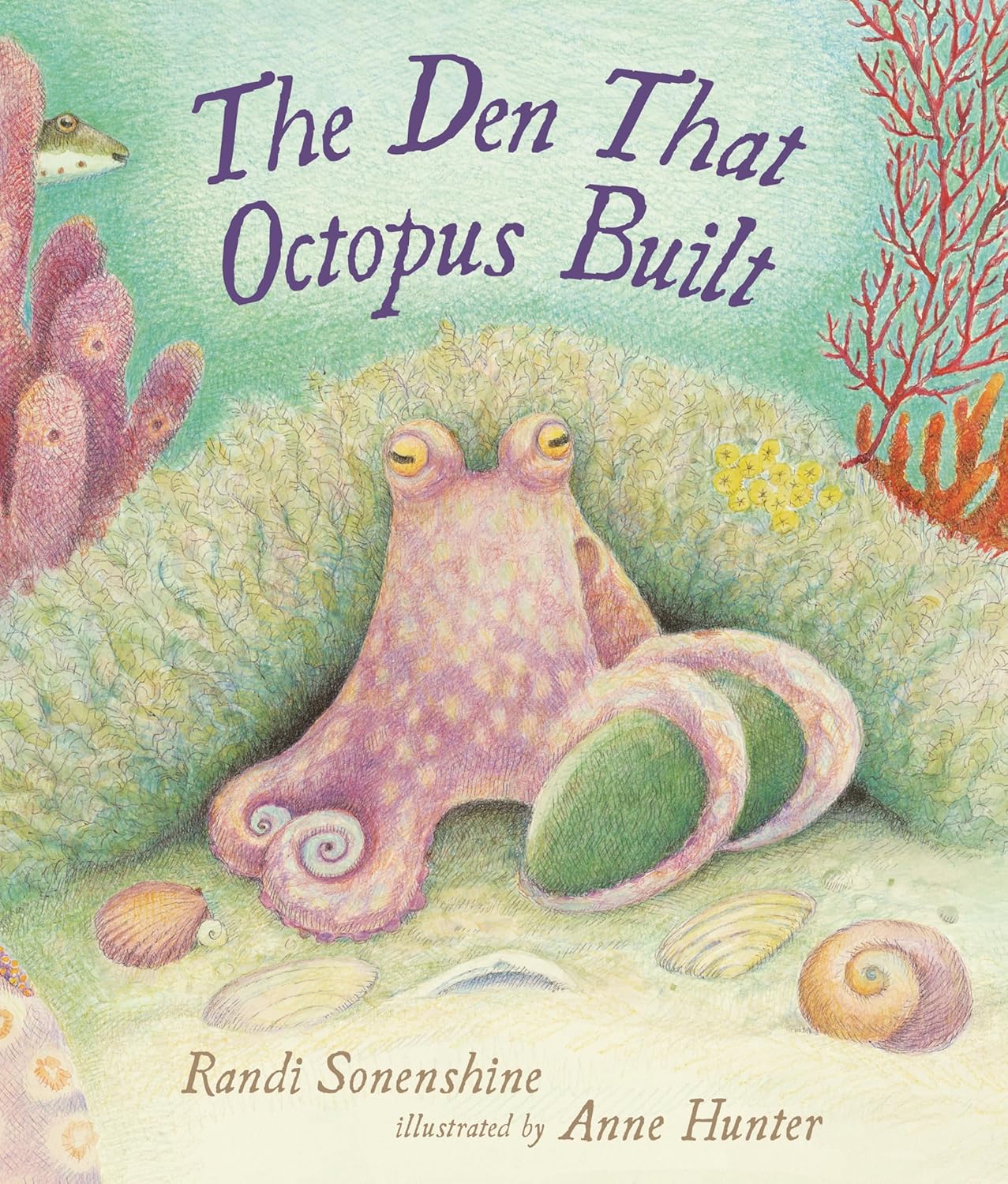
Exploring Nature and Learning: A Review of ‘The Den That Octopus Built’
We’ve been working with our 12-year-old on context clues and how to better understand them. Whenever I’m with high school ELA students I work with them on context clues, albeit in a slightly more direct tone. That could fall under the category of “read the room” or being able to infer what happens in a story due to something else occurring. The Den That Octopus Built is a smart illustrated book that tells a grand story with minute details that older readers will get the first time, and younger audiences will latch onto after one reading.

Name That Thing!, the center of quiz, fun and daydream illustrated book
Any book that sounds like a failed show on Netflix or has a page on “how to use this book” in it, can’t be entertaining, it’s probably needlessly complex or not interesting for young readers. Note: I prefer using the term young readers, as opposed to children or students because the latter will imply to them that it’s studious and not fun, while the former infers that they’re young and might not know certain things. Name That Thing! is a puzzle book that’s smarter than most elementary school ages, has a presentation that’s agreeable to anyone and information that runs the gamut from general trivia to world flags and food from around the world. With any luck, Netflix is working on a game show with the same premise.


Facebook
Twitter
Youtube