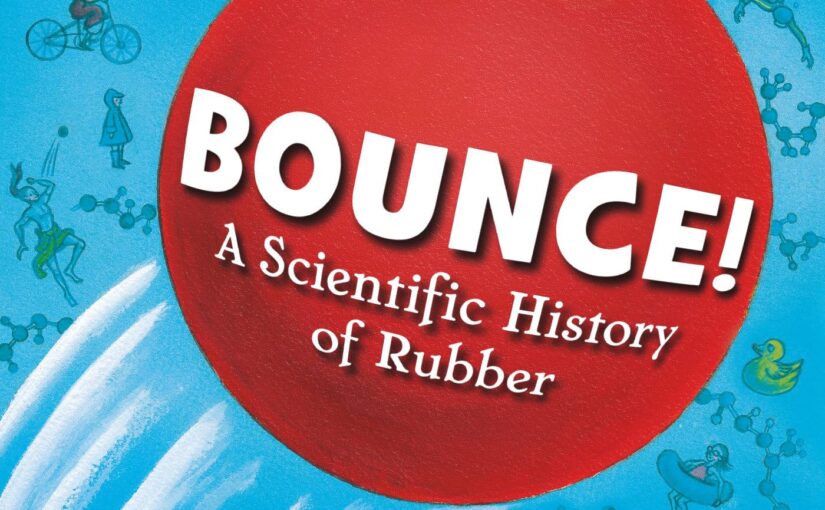
This is a thick book. Why is this book so thick? It’s either loaded with fluff or has too many white pages. Alas, it is thick, but its physical pages are thicker than the average illustrated book, plus it’s loaded with fun, easy-to-understand, STEM facts about the evolution and process of rubber. To those first reactions I say, don’t be intimidated by its thickness. Instead, just enjoy the fact that Bounce! A Scientific History of Rubber is able to create a non-fiction, linear story with STEM nuggets woven in that young readers won’t be turned off by. It can be challenging to get young readers to accept illustrated books that don’t have unicorns or animals in it, thus the first hurdle towards getting them in the book is not getting in the way.
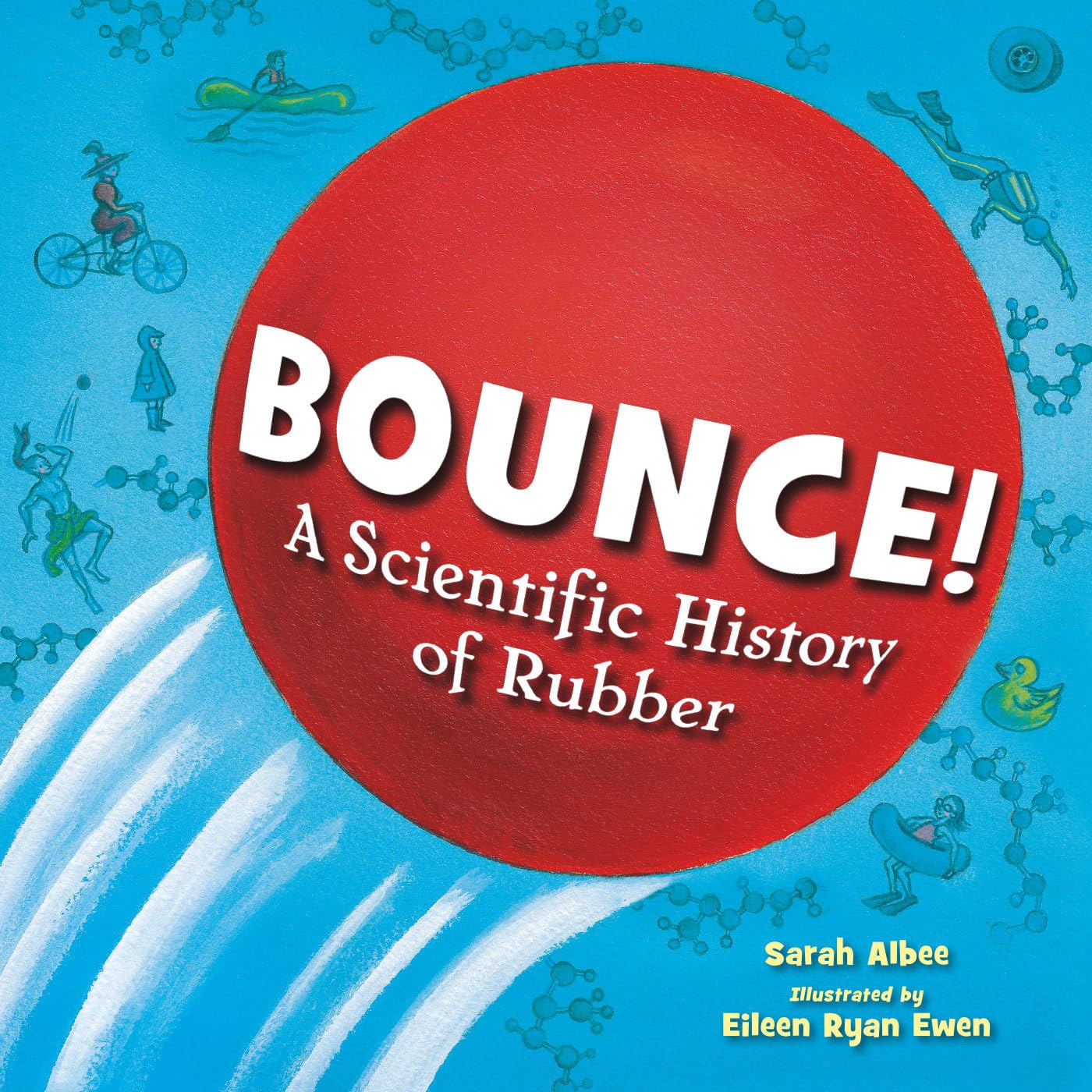
Bounce! Before it was a verb that the kids say “to leave”Category: STEM
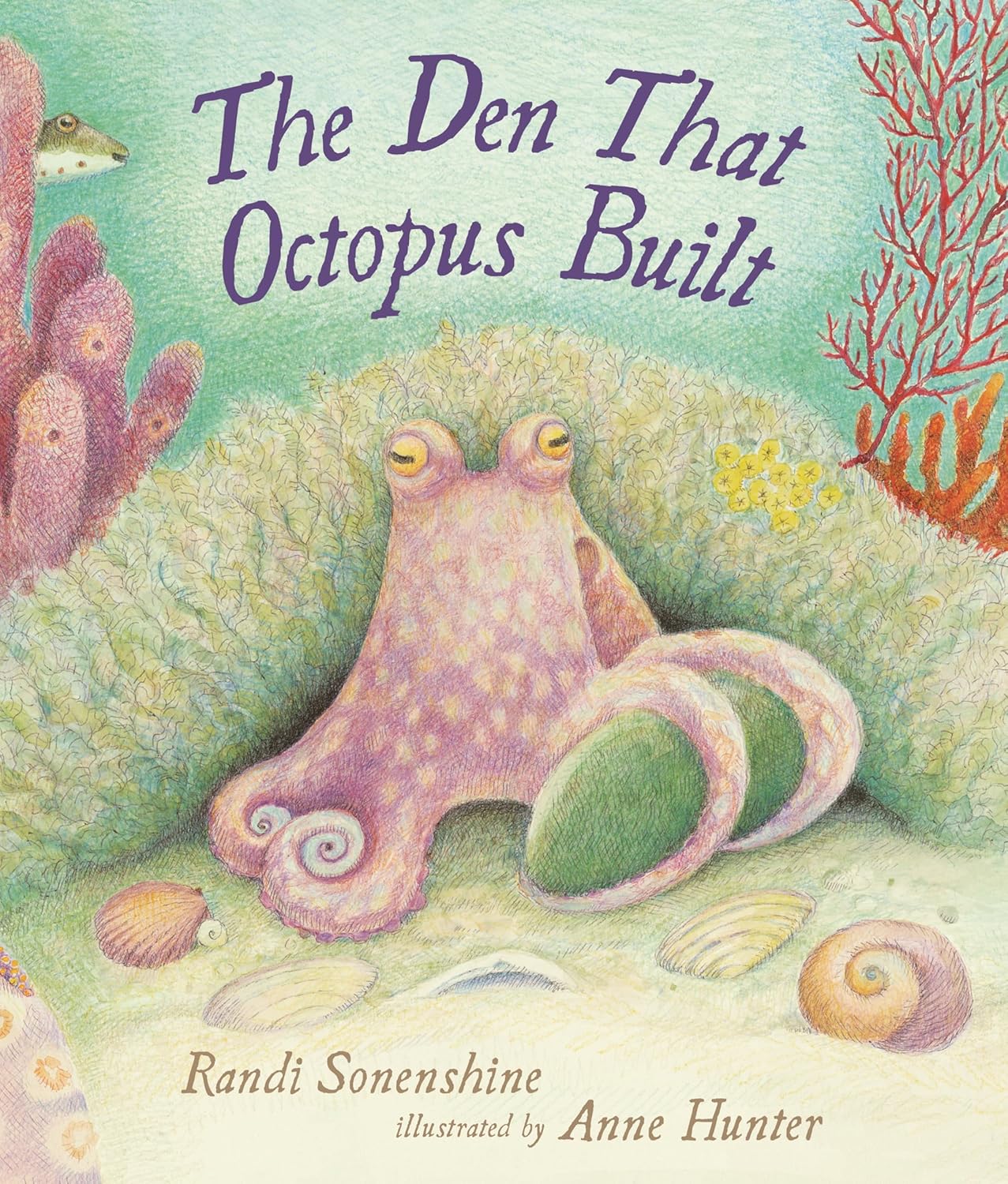
Exploring Nature and Learning: A Review of ‘The Den That Octopus Built’
We’ve been working with our 12-year-old on context clues and how to better understand them. Whenever I’m with high school ELA students I work with them on context clues, albeit in a slightly more direct tone. That could fall under the category of “read the room” or being able to infer what happens in a story due to something else occurring. The Den That Octopus Built is a smart illustrated book that tells a grand story with minute details that older readers will get the first time, and younger audiences will latch onto after one reading.

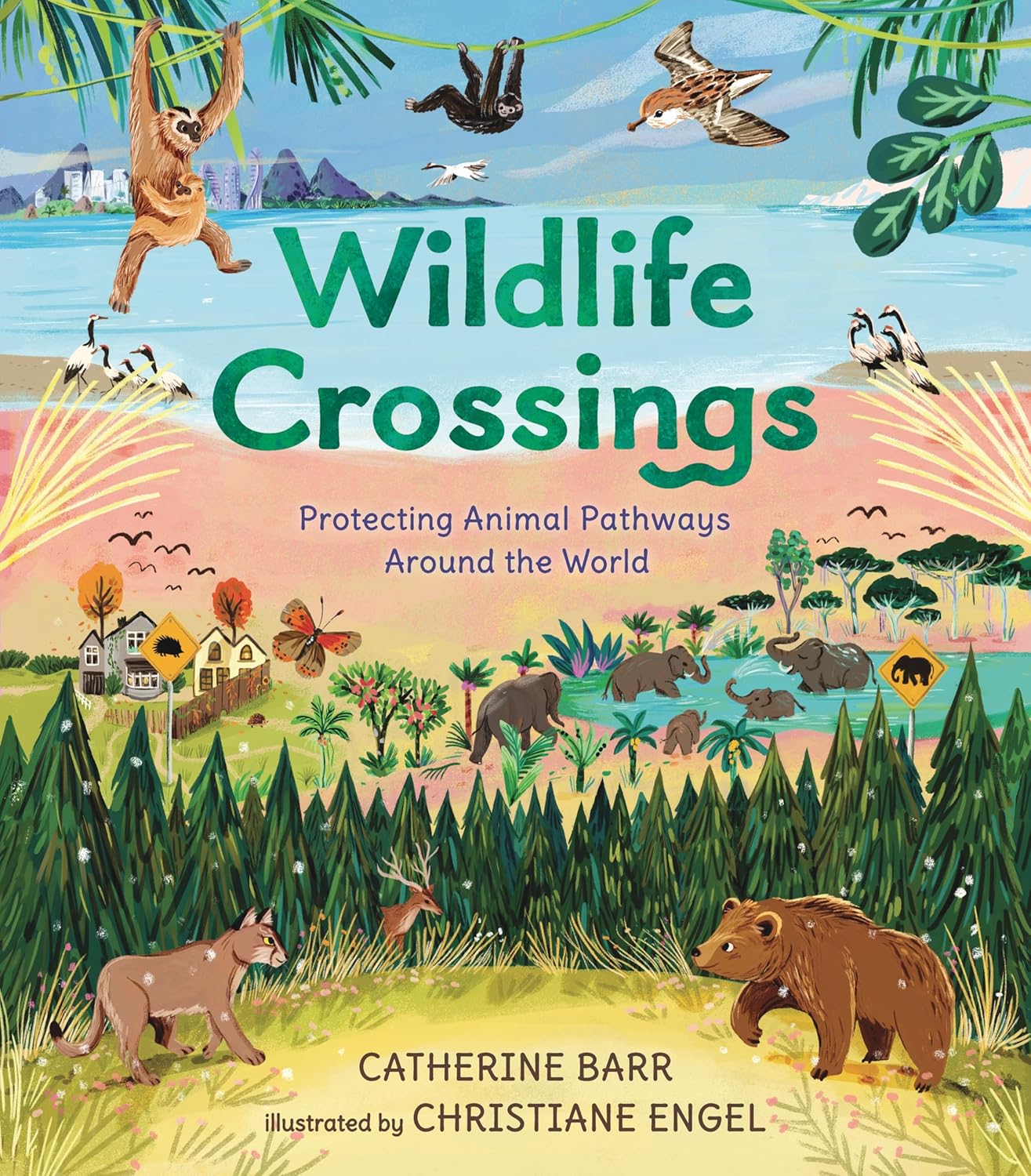
Wildlife Crossings-nature born STEM gets kids thinking without realizing it
The extent to which children think about animals crossing the road stopped when they answered the question about the chicken. And even then that query, and its many derisions, are tiresome, repetitive, and work for the five-year-old audience one time only. Wildlife Crossings: Protecting Animal Pathways Around the World is an illustrated book that will fascinate elementary ages and get them to think, yes actually think about something that they’ve never thought about before.

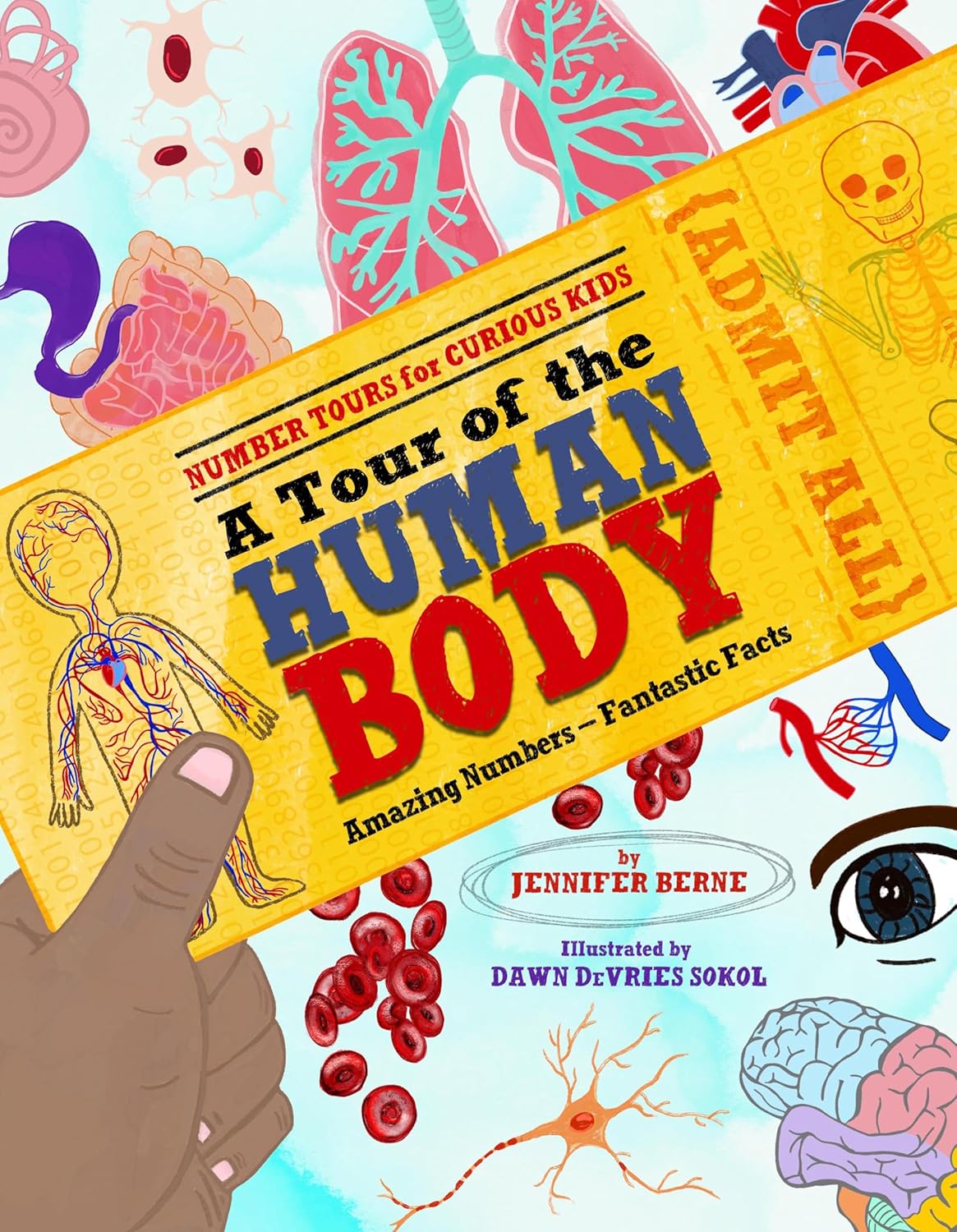
A Tour of the Human Body, factoid fun for grades 1-4
For a period in every elementary student’s life, they are factoid machines. They have competition between themselves to seek out and parrot one or two-line facts about animals, the more disgusting, bizarre or unknown, the better. This is the age of the exception. Kids may not be able to tell you how many ounces are in a pound, but they’ll be able to tell you at a moment’s notice that you swallow an average of 1,500 pounds of food a year. A Tour of the Human Body: Amazing Numbers-Fantastic Facts is an illustrated book that introduces elementary-aged students to this bag of flesh, organs and bones that accommodate us during our time on Earth.

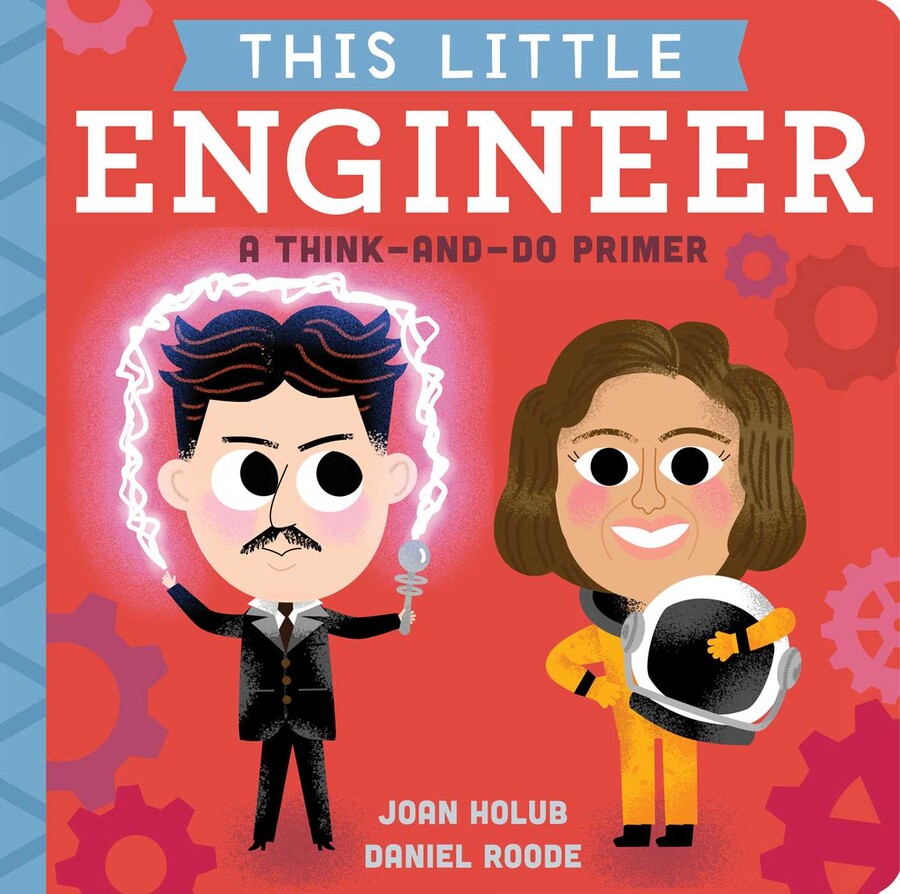
This Little Engineer: A Think-and-do-Primer, board book to cerebral action
There is an entire world of board books out there. Some board books teach the very basics. The common denominator is that they all feature soft, pleasing illustrations that crawlers and pre-k students enjoy. This Little Engineer: A Think-and-do-Primer is a board book that ages three through six will identify with. It’s part of the board books that spotlight certain professions or characteristics in the This Little book series from Little Simon. The book also does a great job of identifying a very challenging aspect of something that most children question, but rarely get a great answer to.
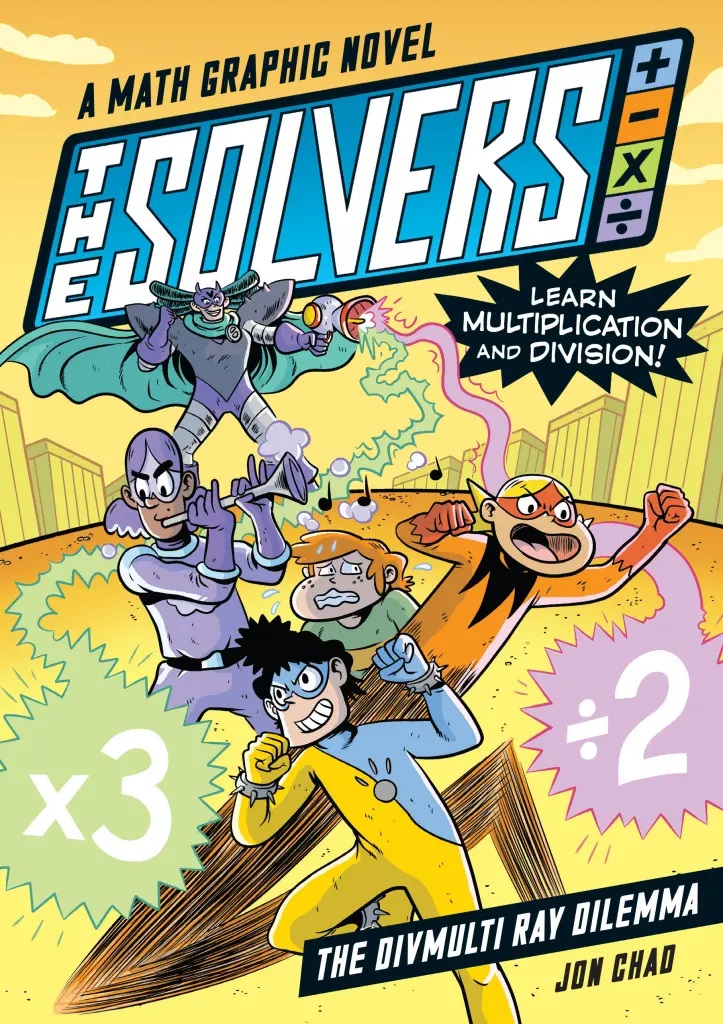
come on in you smart crawlersThe Solvers Mission 1: The DivMulti Ray Dilemma does new math proud
Remember the “new math” joke from a couple of years ago? Parents of elementary school-age students realized that division and multiplication had a slightly different way of being taught. It’s not “new” per se, it’s just described using the commutative property, which is also a very quick way to learn craps. The Solvers is an interactive graphic novel series that entertains and educates. The DivMulti Ray Dilemma is the first in the series that manages to explain division and multiplication in a way that new and old math people can understand and does so with a strong superhero story that will guide those reluctant math readers.
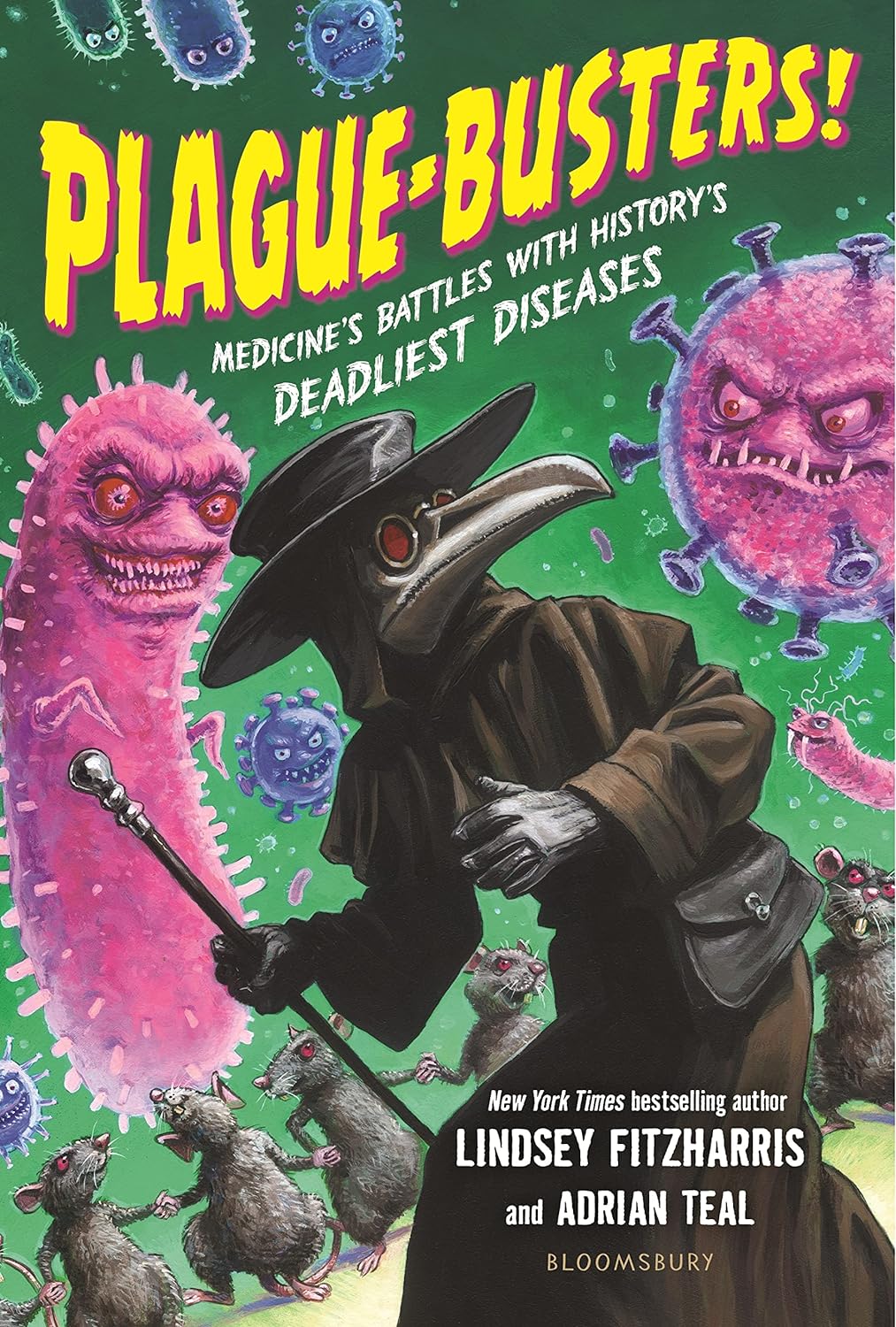
Graphic novel + Fun + Math = mastery of the subjectPlague-Busters! uses humor, quip-ridden text and art to make STEM fun
There is a difference between a good book and a fun book. Good books don’t necessarily have to be fun and those fun books don’t always have to be good, in a literary or personal sense. You may read some tawdry summer beach love book about teenage vampires or romantic solo vacations to the edge of the world and they are 100% your jam, and others might not view them as good, but they sure are fun. Plague-Busters! Medicine’s Battles with History’s Deadliest Diseases is a fun book that’s laden with dozens of illustrations and snappy text that makes the world’s low points accessible, without watering down their scale.

Sick!, an eye-catching, appropriate name for a gateway STEM graphic novel
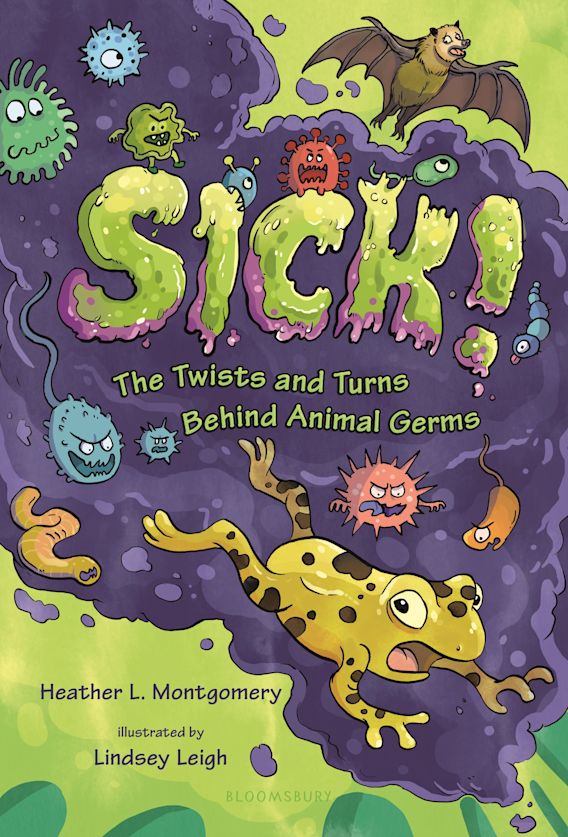
If elementary school-age students latched onto the disgusting elements of science I’m convinced that more people would follow the STEM path. I also fully believe that in 2034, many actively working scientists will cite Phineas and Ferb as a main influence. Sick! The Twists and Turns Behind Animal Germs is a STEM book that’s disgusting in all of the right ways.
A smart chapter graphic novel, yeah that’s a thing


Facebook
Twitter
Youtube