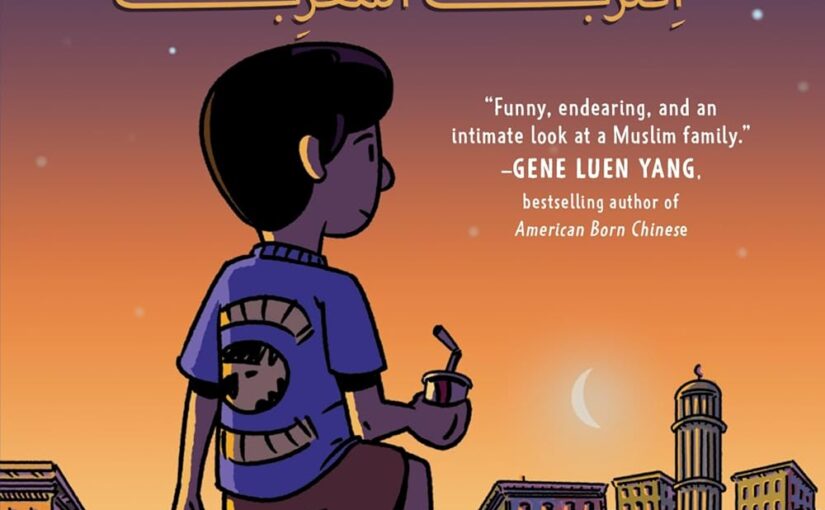
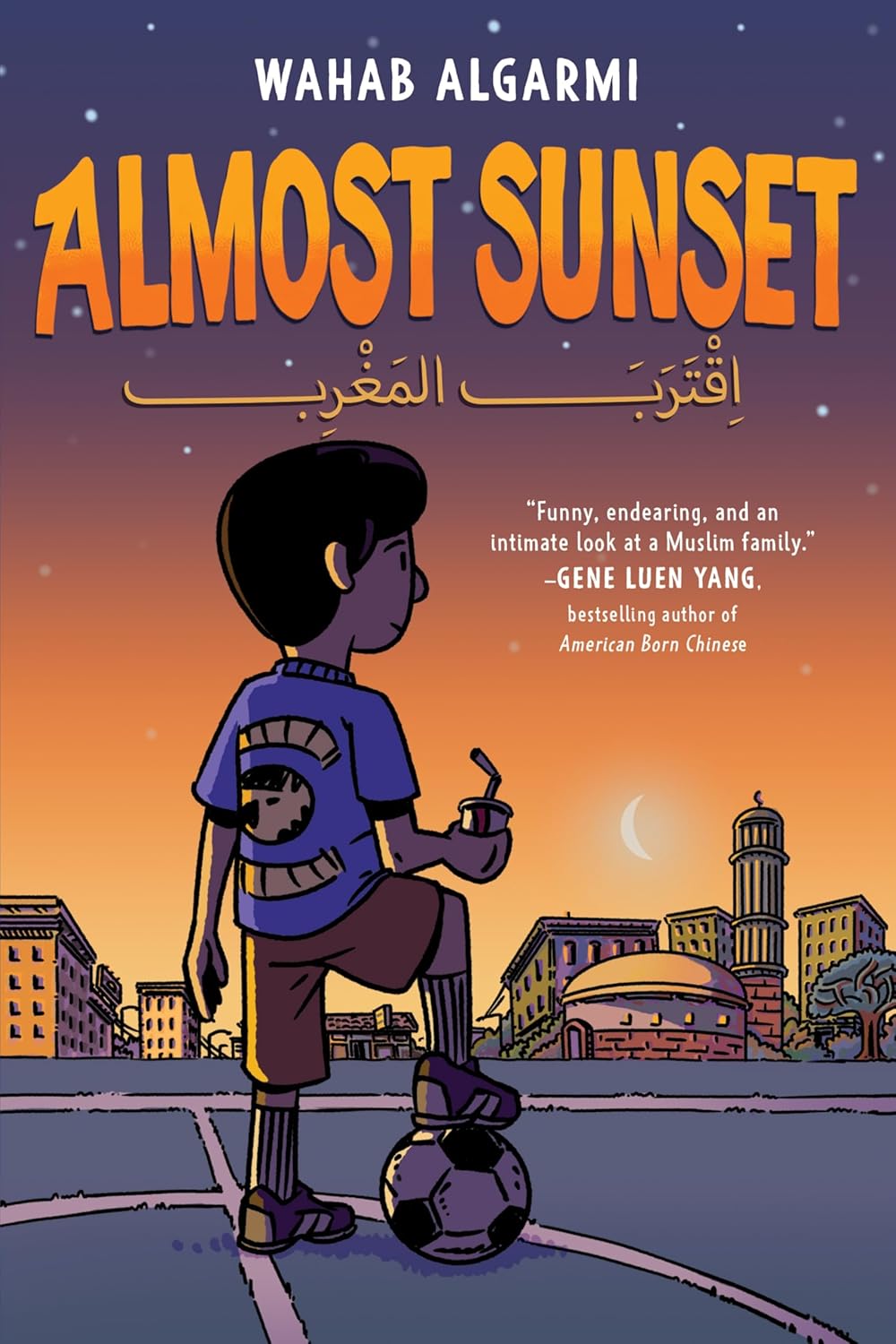
Hassan is a typical teenager in many ways. Almost Sunset is a graphic novel that follows him during that one month of the year when he’s not typical, and that’s the period of Ramadan. He’s a teen whose family respects the traditions of Ramadan and all of the sacrifices and inconveniences that accompany it. This is a graphic novel that’s not about religion, but is about the people and families that follow it. It touches on the practices of Islam, but doesn’t espouse or preach its beliefs.
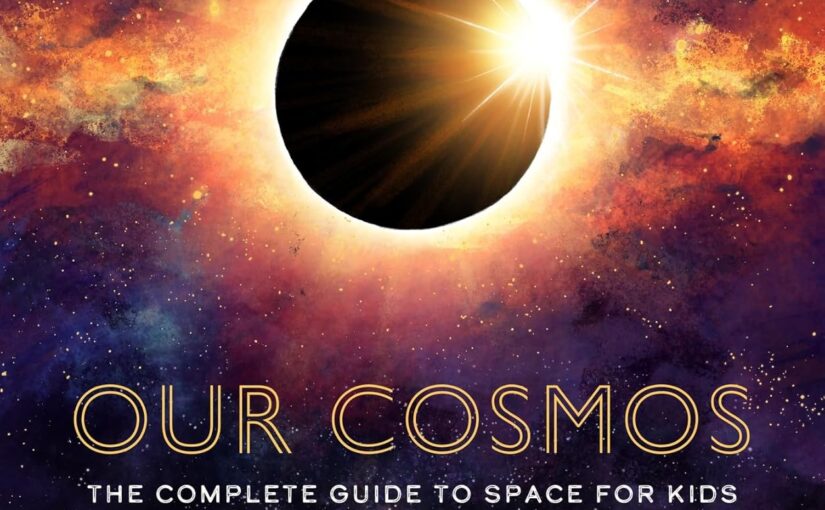
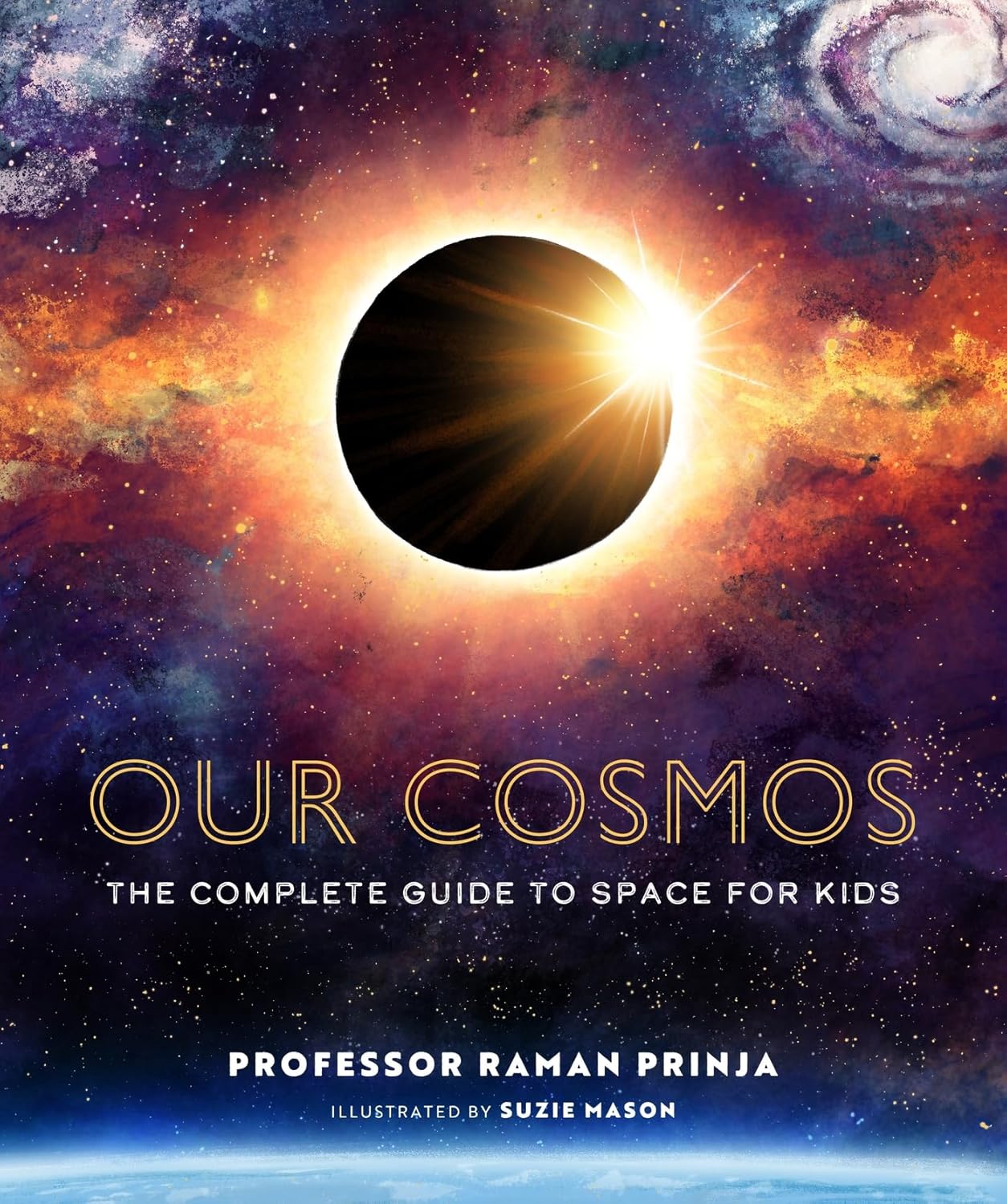
A reference book is too wonky. A book with illustrations can be too kid-ish. If it looks too much like a Nat Geo books those who are immune to its charms will run like a vampire nearing daylight. Is there a cartoon in it? The middle school kids who see anything remotely associated with elementary school will tune out. Our Cosmos: The Complete Guide to Space for Kids is built for some of those upper-elementary ages. Those who will get the most out of the book are middle school kids who are curious about space, but might just be a little reluctant in learning about it.
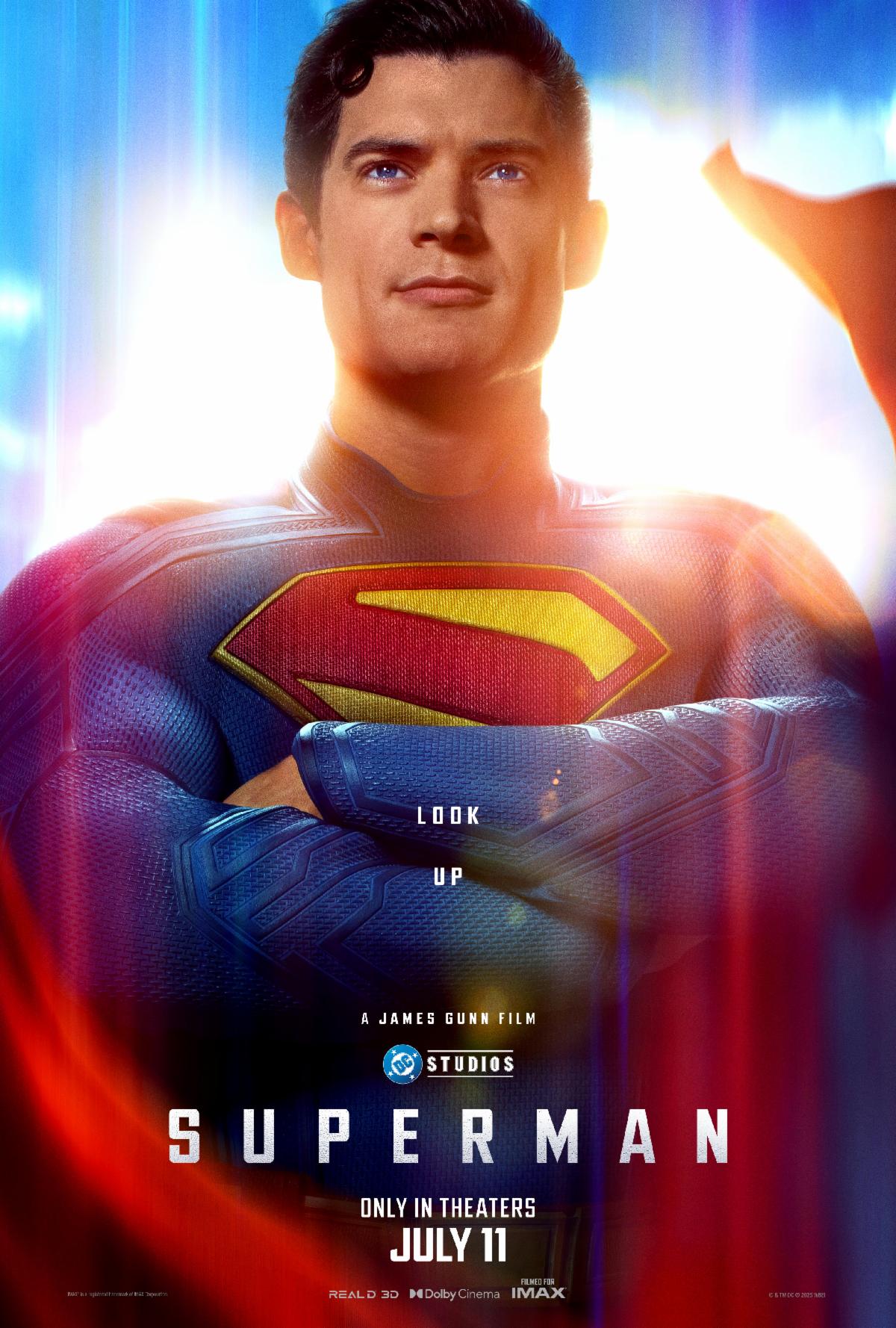
Superman is a James Gunn film. Gunn has a style that audiences are accustomed to, but can also be wary of in a manner that is similar to Tim Burton. It’s a lion that has to be contained somewhat, or it’s too familiar, over the top and can become a cliché of itself. Superman for new audiences that are post-Snyder, in the “not my Superman” camp or never got past Christopher Reeve will be their own obstacle. All of that tossed into the mix and James Gunn still wrote and directed a fun movie that succeeds on many levels through the various film lenses one could view it from.
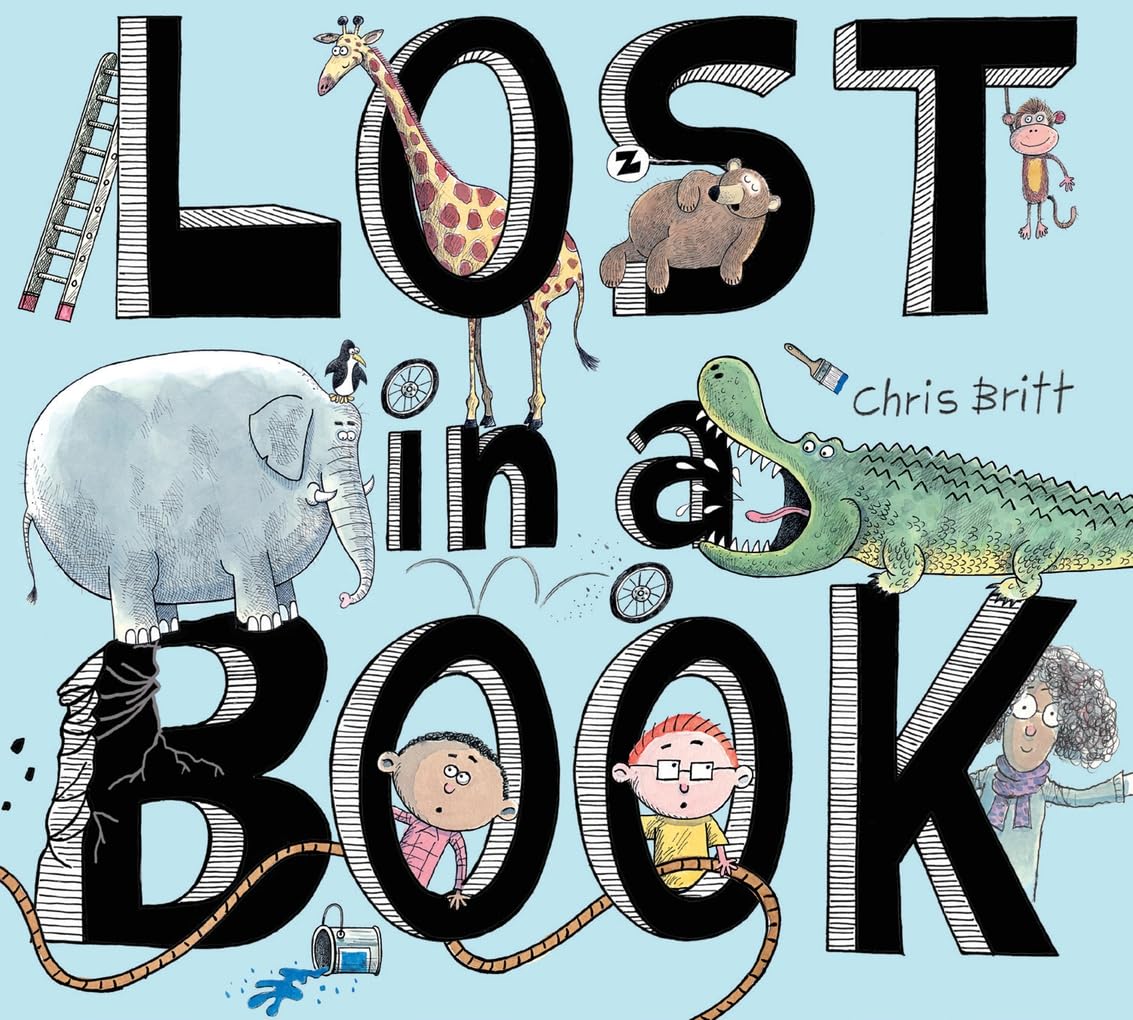
Lost in a Book is easy to love. It’s easy to love being lost in a book. I have taught many students who have told me, with a glimmer of pride, they’ve never been lost in a book. Sometimes they’ll shake up that statement by saying that they don’t read books. Personally I love it when they say that because I’ll immediately say, “ignorance is nothing to be proud of” or something off the cuff that will make the class laugh and put the bully down a peg. It’s a different scene when you’re in elementary school because that is a time when your reading can shine. Ideally, it’s the time when you’ll learn to love to read, and Lost in a Book is the sort of vehicle that will accommodate that.
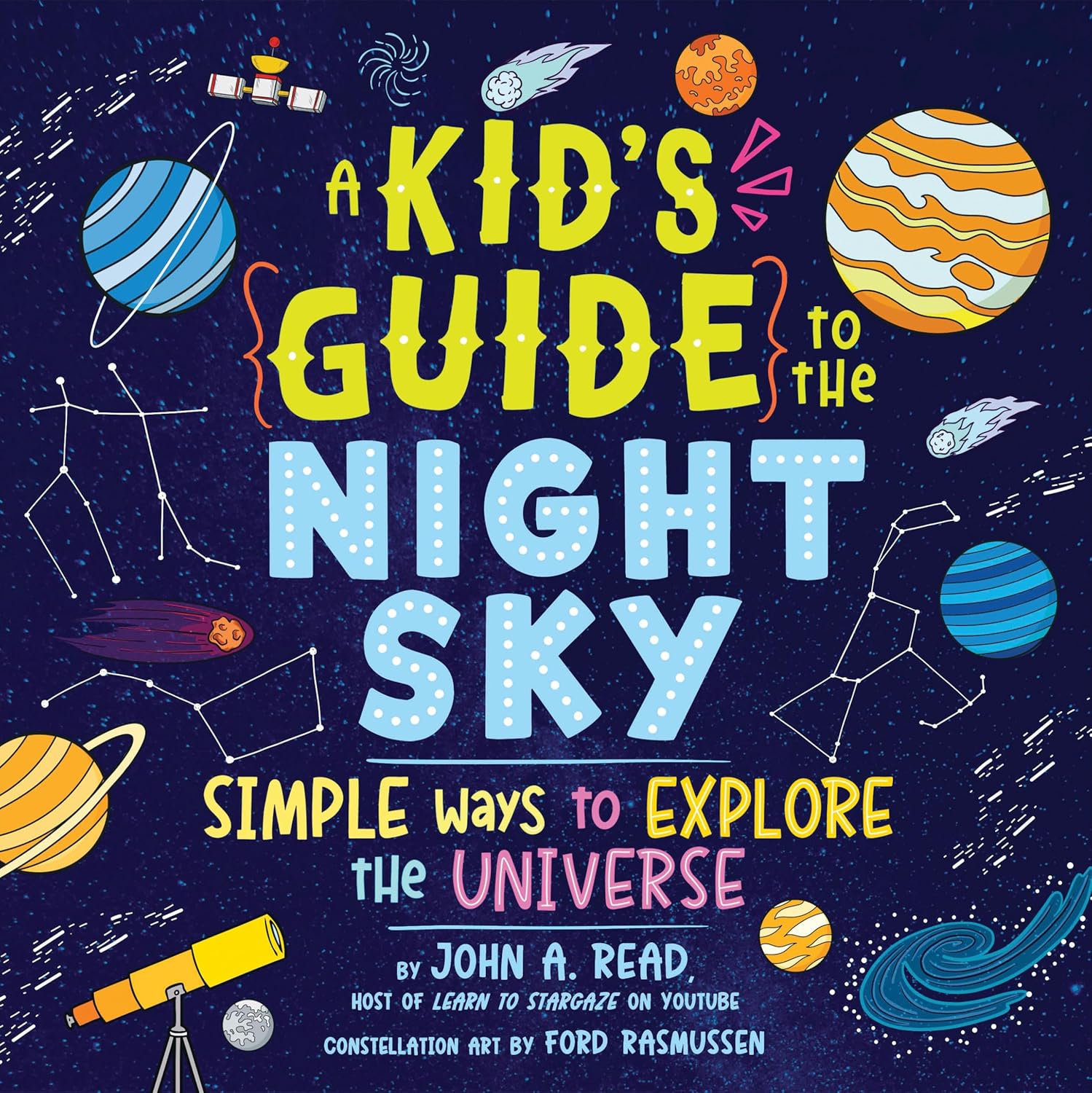
Even before this generation became addicted to Youtube Shorts they were becoming a less intelligent demographic than the one that preceded them. If our students or children were watching possibly anything other than the lowest common denominator nonsense I see them on I’d think otherwise. Don’t get me wrong my generation rotted their brains with I Love New York, Rock of Love and Cheaters, but at least that was long-form stupid entertainment. It’s possible that the de-evolution of mankind started when the average person could no longer navigate by the stars or point out the constellations. I never truly understood the constellations. I can see the great shapes that they purport to be (once they’re pointed out..), but they also look like a Rorschach Test of random dots. A Kid’s Guide to the Night Sky is by John A. Read, who lives in the smart side of YouTube. His channel, Learn to Stargaze, is smart, presented from a common sense perspective and gives off the vibe that anyone is able to stargaze regardless of their age or equipment level.
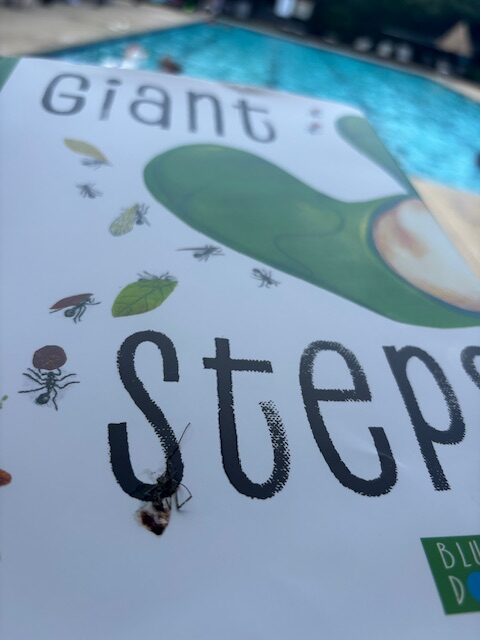
Perspective and the relatively simple art of looking at something from a different angle take practice. It’s the paradigm shift in the same camp as illustrations that are obviously one thing, until your friend points out that they see the other side of the same thing. Giant Stepsis an illustrated book that takes its motivation from the first category. For example, I’m at the pool now, watching our 13 year-old practice the delicate art of making friends. A scary-looking spider was just climbing up my leg, and I panicked and squished it with Giant Steps. The scale of the pool would be drastically different if we were to envision a whale in it. The spider’s last vision in one of its eight eyes was a massive flat board, with illustrations of other insects on it.
Death happens. It’s a scary, unknown thing that is an absolute final, unless you see a ghost, then that’s scarier. Kids have many questions about death and that can be frustrating because nobody really has the answers. Adults try to avoid the topic. Kids can become frustrated because they’ve had contact with it through a family member. Dying to Ask: 38 Questions From Kids About Death is exactly what its name entails and is so much more than you think it is. It accomplishes this through a combination of the questions, the illustrations that accompany each question, and the tone in which they’re answered.
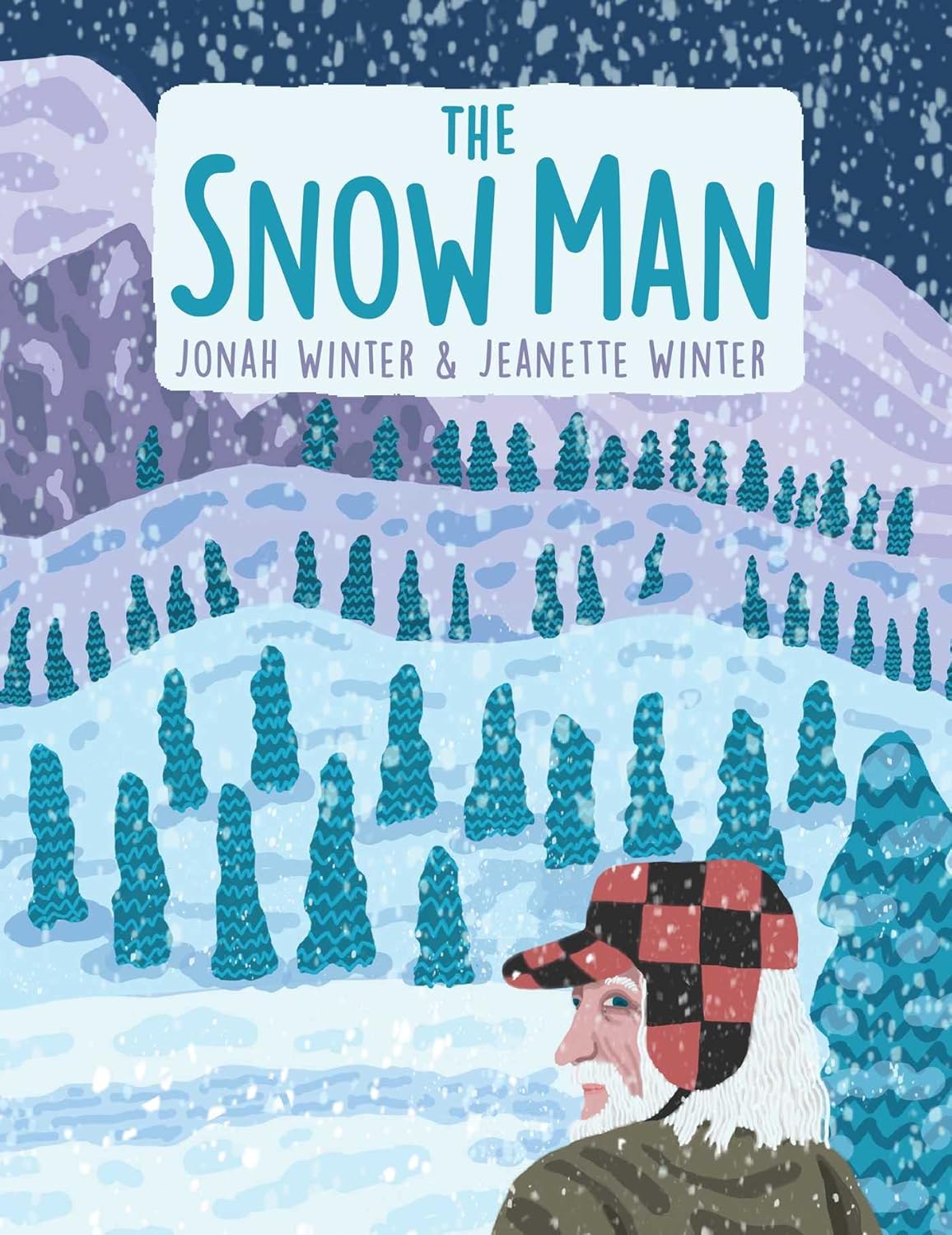
The Snow Man is an illustrated book unlike any one that we’ve read before. It’s a non-fiction story that is completely fascinating in its by-the-numbers, almost poetry text and outsider art illustrations-and that is just in how The Snow Man looks. The story is just as interesting, and considering the subject matter it is perfectly paired with the text and art.





 Facebook
 Twitter
 Youtube