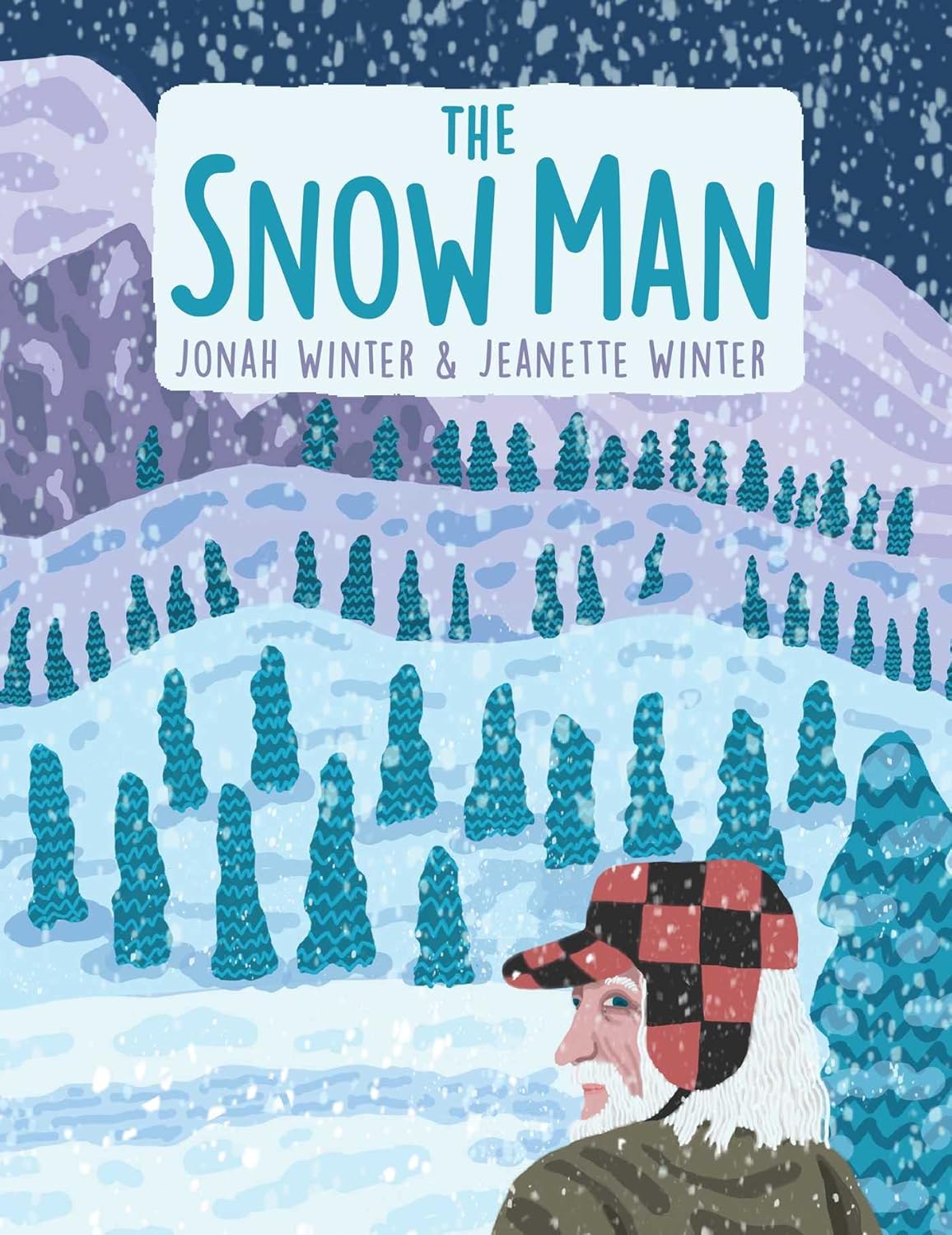
The Snow Man is an illustrated book unlike any one that we’ve read before. It’s a non-fiction story that is completely fascinating in its by-the-numbers, almost poetry text and outsider art illustrations-and that is just in how The Snow Man looks. The story is just as interesting, and considering the subject matter it is perfectly paired with the text and art.
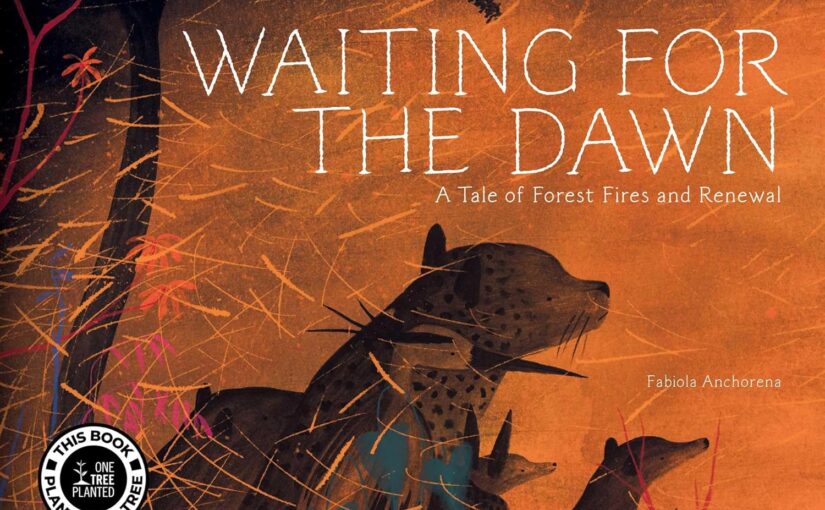
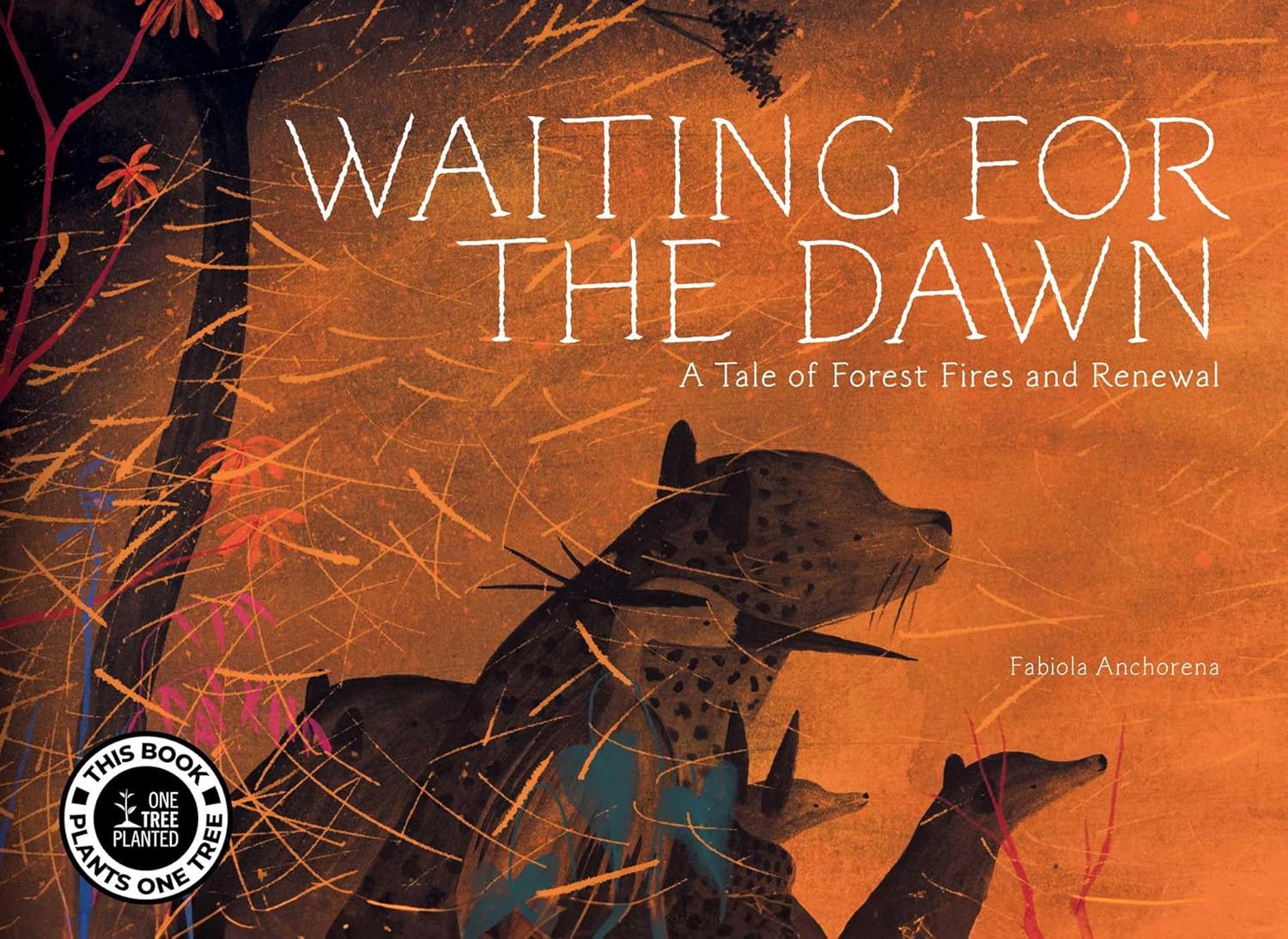
I love contrasting colors. The visual train wreck of colors that exist in negative space. It’s the canvas that’s blacker than a thousand midnights, with only the occasional blinking of some of the thousands, out of the millions, of stars and planets that you’re able to see. Waiting for the Dawn is a book that’s built for kids who think like that, but have a more Earth-centric perspective. It’s a question or thought that every elementary age kid has, and that’s what happens to the animals who live in the forest when there’s a fire?
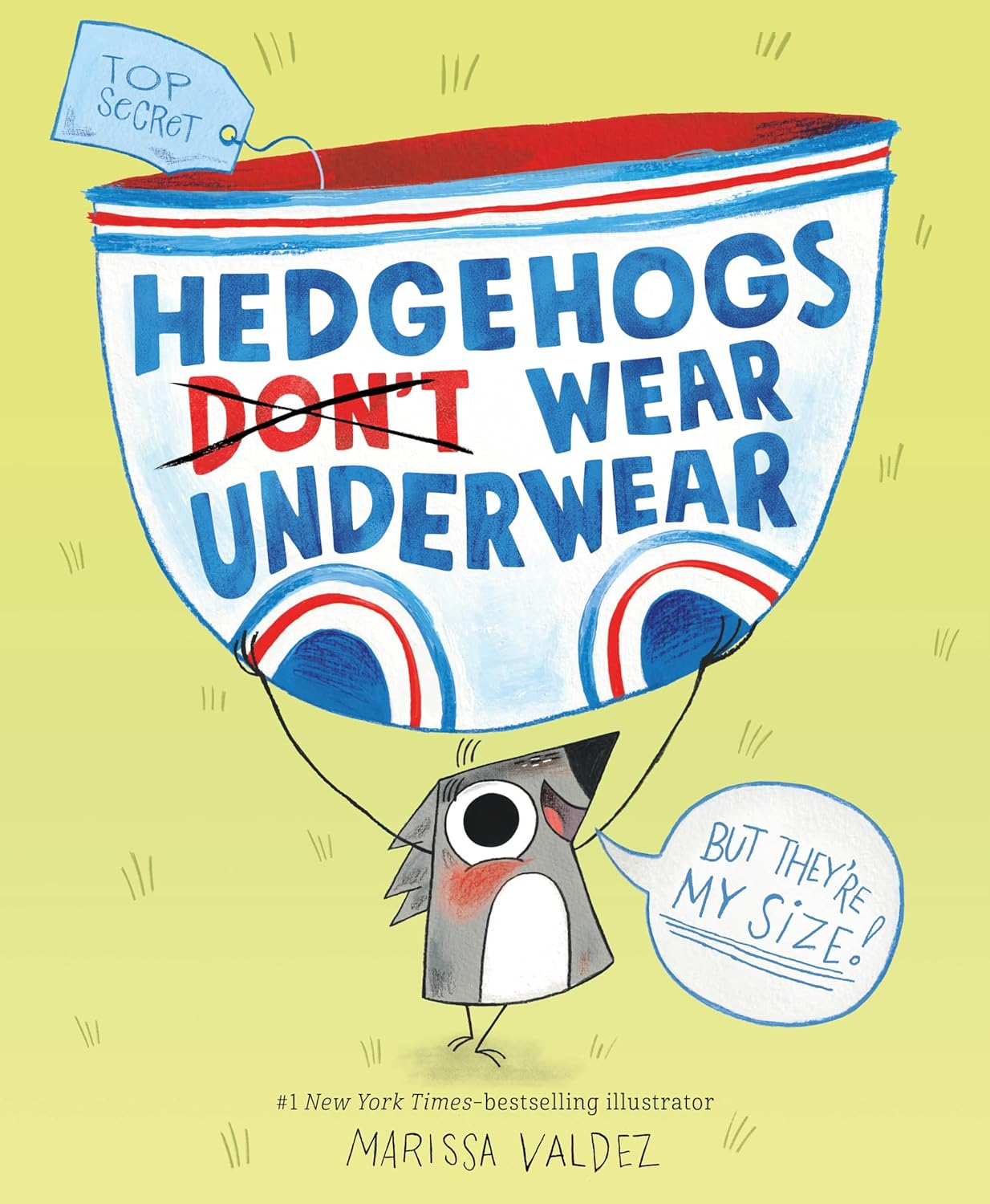
Hedgehogs Don’t Wear Underwear runs with energy. It runs at the same pace as Kermit the Frog; frantically waving his arms as he’s introducing The Muppet Show. Soon he’ll become exasperated with Gonzo about some wacky scheme, probably involving a chicken, and you’re wondering why books can’t give you that same reaction. But it can, the reaction is held within the container that the show or book, resides in. It’s incredibly fun to watch, gives you a mile-wide grin just watching it, but is never in danger of bubbling over or becoming too much. Plus, Hedgehogs Don’t Wear Underwear features Jacques, a French-speaking hedgehog, sight gags, bright colors, talking animals, and a big secret.
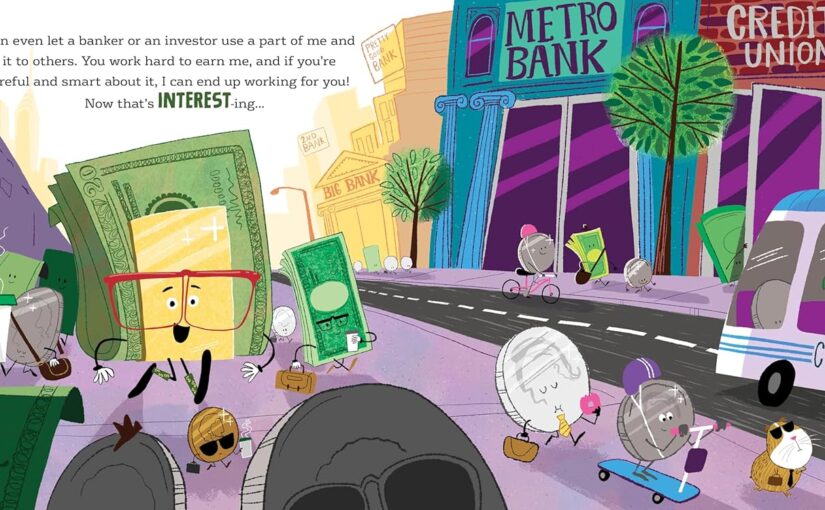
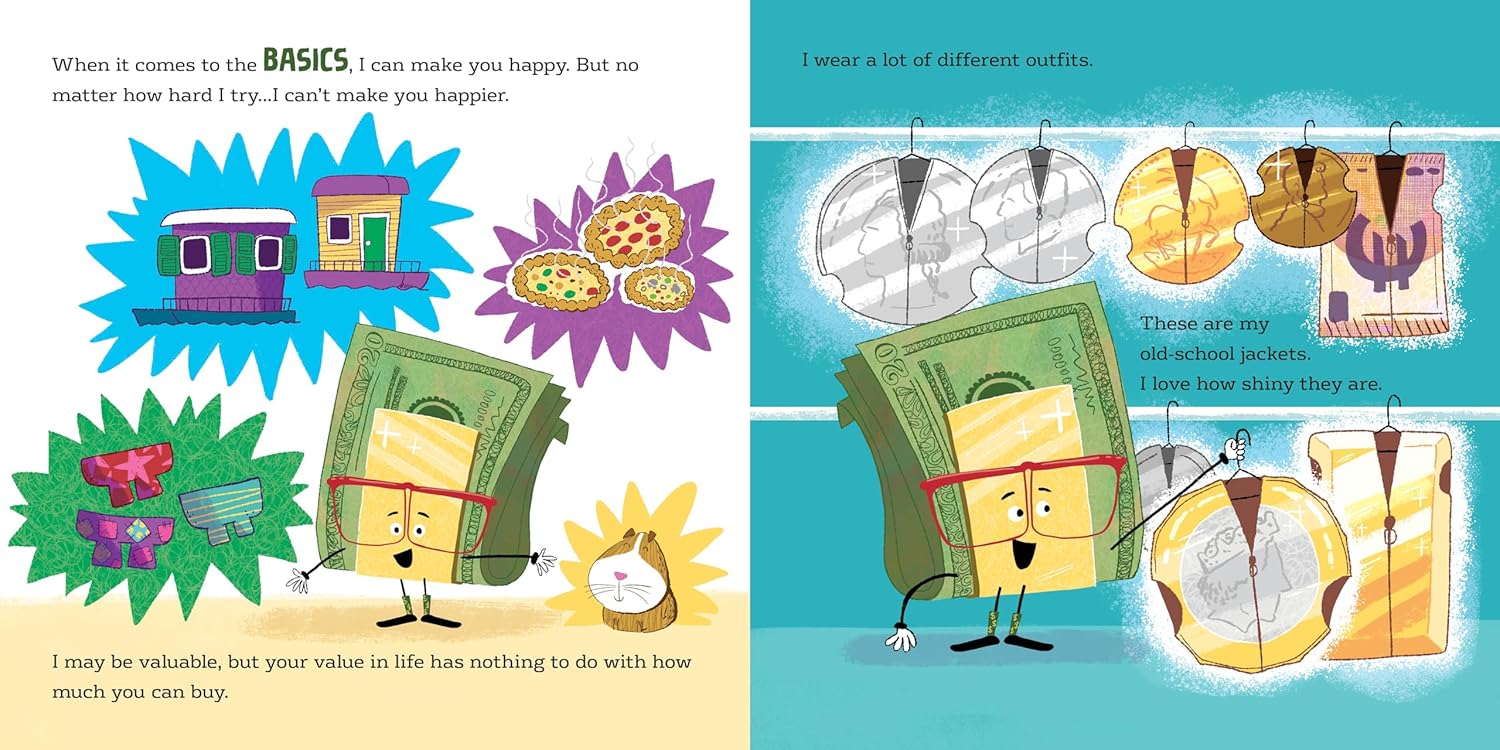
From a distance, the cover to I Am Money looks like an anthropomorphic credit card, wearing big glasses in front of the Arc de Triumph. It seems like an odd fit because, if it’s money in front of the French landmark, wouldn’t it be a Euro? No, the money on the cover to I Am Money is certainly an American bill. Look closely at the upper left and the $20 can be seen plus the other shapes and scribbles that people associate with it. Right, I’m back on board, I love money, and young children need to learn about money-especially certain aspects of it. If I Am Money does that in a way that’s interesting and curious to young readers we have something that’ll cash in with that crowd.
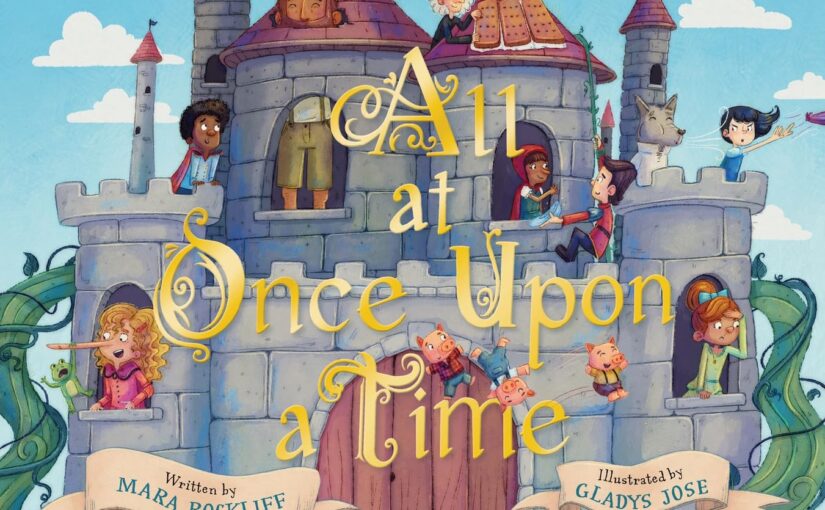
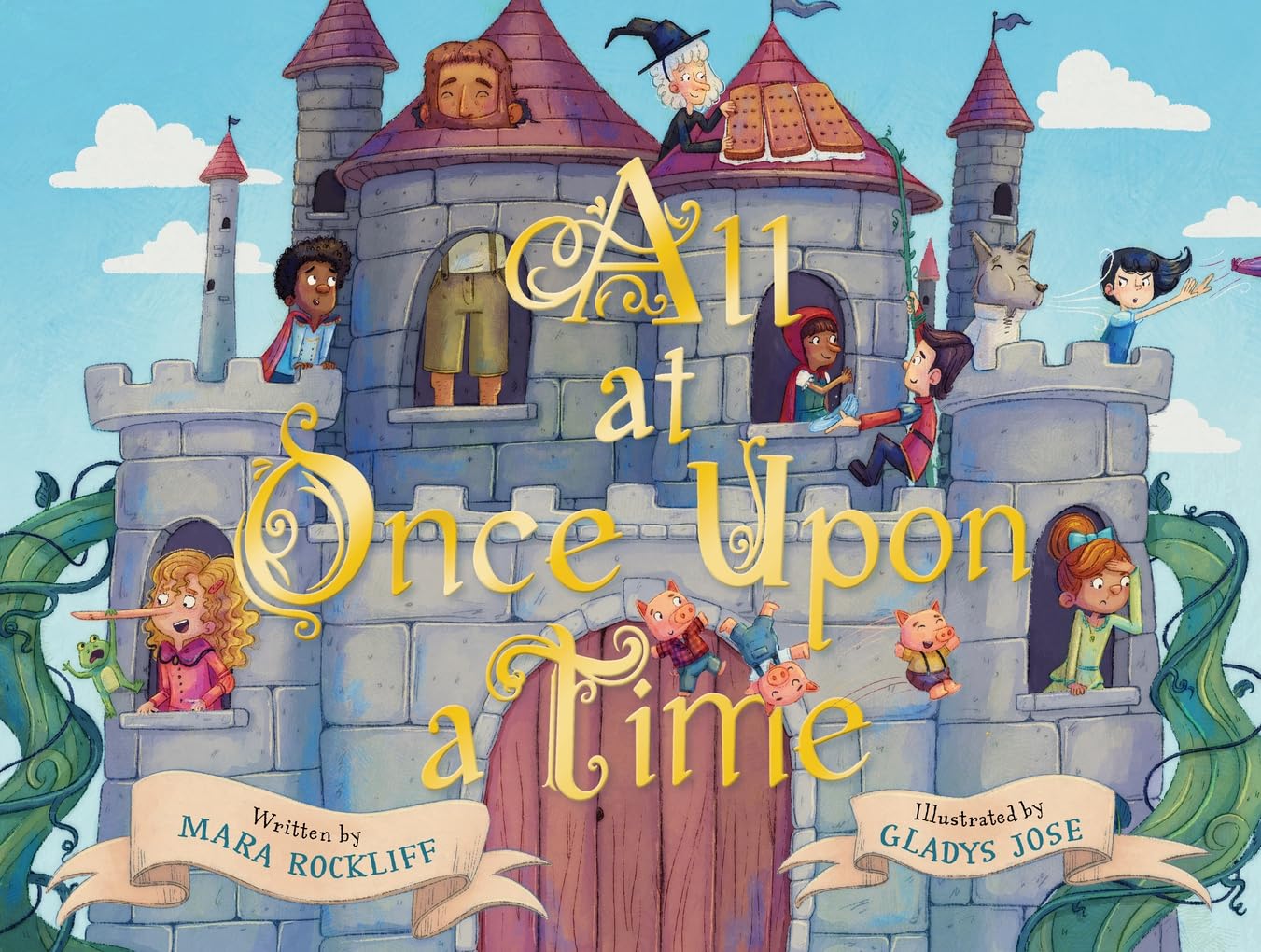
All hail the silly illustrated book. We reviewed a great silly book the other week, but it’s never too soon to read the silly again. Much like the well-respected Ministry of Silly Walks, a silly book is mandatory for carpet-time readers and the read-aloud crowd. All at Once Upon a Time is peak silly. To older audiences, it could be viewed as an absurd upending of fairytale tropes that most audiences can quote ad infinitum. Younger audiences who don’t know the tropes will enjoy All at Once Upon a Timebecause of the energy and laughter it produces from the things they thought would happen.
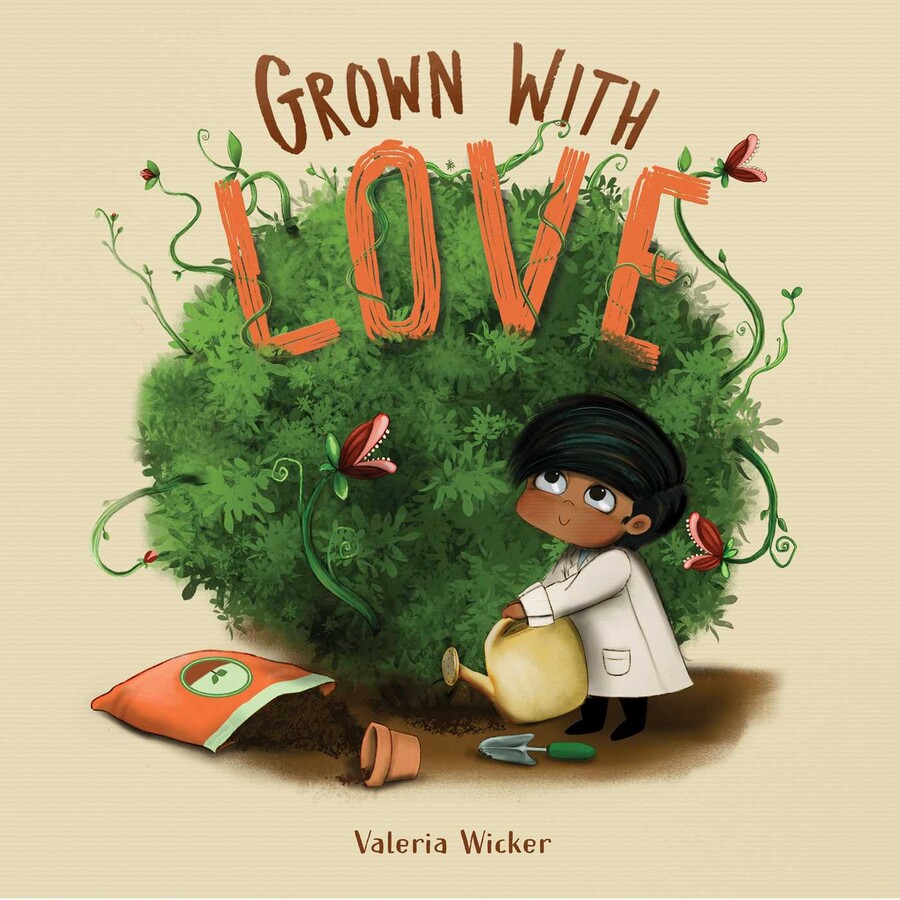
There is a balance in illustrated books between being sufficiently weird, but endearing enough to be of merit to adults, educators and parents. Of course there are some books that are straight up gonzo strange, sappy to the point of Hallmark or unicorn happiness to the max. For the most part, those mass-appeal illustrated books that have legs need to be slightly grounded. However, children need them to be a little odd in order to rope in readers and audiences who might otherwise gravitate towards anything else. Grown With Love is just left-of-center enough to bring in aspects any Tim Burton movie, but has the Earthy tones of Up or other entertaining vehicles that subvert a tug at your emotions.
I have never eaten a persimmon. It sounds more like an adjective than a fruit to me. The students felt quite persimmon when they realized the difficulty of the test. The Most Perfect Persimmon is an illustrated book that’s a love letter to family, patience, creature comforts and the fleeting search for perfection. That last bit might be too esoteric, but the nature of the young girl in the book and the brief period that a persimmon is perfect brings about comparisons to avocados.
What a simple tale The Strangest Fish is. It will sound familiar to young, read-aloud audiences in elementary school, both in its setting and in its very subtle lesson. A young girl is at the fair with her family when she receives a fish who is happily unaware of the size of its plastic bag aquarium. It’s a beautiful fish that they name October, who quickly outgrows his arrangements. This all sounds familiar, the fish-out-of-water, except those who aren’t like you premise that savvy readers can detect from far away. That’s us too, but before you put this in the same tank with other, less intelligent, classy or interesting books, check out the art.