100 Things to Know About Inventions is curiosity rabbit hole 101

Sharing is caring, and kids love to share, bits of knowledge that is. Those trivial bits of fun knowledge that are 100% true, sometimes odd, many times functional, and always fascinating are just the sort of thing that kids will share without prompting. Think like Jonathan Lipnicki from Jerry Maguire, and then share your trivia that’s not just related to the human head. 100 Things to Know About Inventions is loaded with a handful of obscure facts about 100 technological advances that people have created.

100 Things to Know About Inventions has nugget paragraphs of little-known facts on things that you see every day, perfect for all elementary school ages.
Potato chips, cat videos and trying to stop at one page on books like this

A Dinosaur Named Ruth, old soul, patient story telling with charm

I wanted more. That is not something that you think to yourself after many books. A Dinosaur Named Ruth brings up that thought as soon as you read the last word on the final two pages that show a young girl, and a dinosaur, looking wistfully into the prairie. It’s also not the story that you know. The dinosaur was called Sue, wasn’t it? Well, a dinosaur was called that, however, this story has more numerous subjects, and one that plays out in a more patient manner. It’s also worth noting that Ruth (the dinosaur) was discovered by its more famous T-Rex dinosaur who was found just down the road.  

A Dinosaur Named Ruth is the story that you think that you know, but instead is patient tale about knowing what you have.
A dino tale that elementary, illustrated book fans haven’t heard

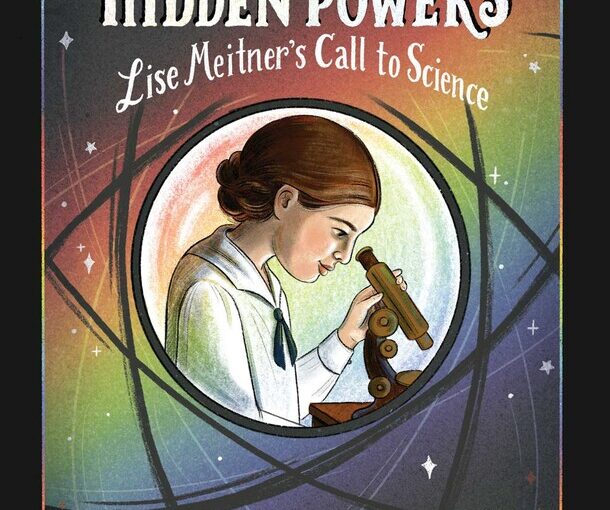
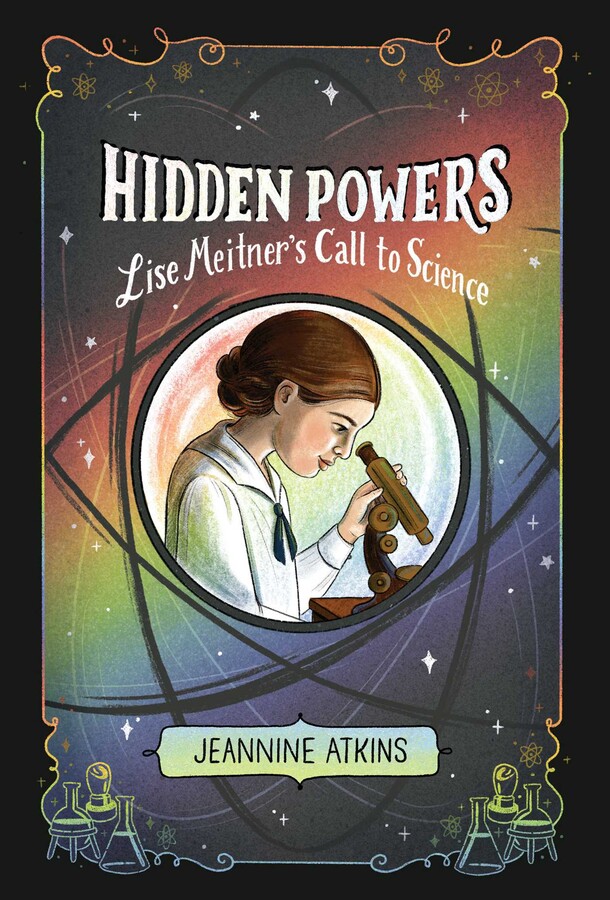
Hidden Powers: Lise Meitner’s Call to Science, unexpected power in poetry

Imagine that you love pizza. Granted that’s not a stretch for most people, but let’s establish the fact that you love pizza. Now, you’re given something that has all of the ingredients of pizza, but it’s not circular or square, it’s a rhombus or some other rogue shape that shakes up your otherwise perfect pizza senses. You eat this oddly shaped thing and it tastes great. Then you find out that the crust is made of cauliflower, but it’s great so you keep on eating it. At the end of the pizza, you’re rethinking shapes that previously couldn’t possibly be that greasy wheel that you love so much and are thinking of different shaped food that you could enjoy.

Hidden Powers is the most unlikely of books, one full of narrative poems that add up to a fascinating, non-fiction STEM story.
Pardon us while we ramble-but this excellnet book defies description

Earth Friend Forever, early elementary illustrated, with laughs and smarts

Funny, as in genuinely producing a laugh, is something that eco books don’t normally do, especially picture books aimed at kindergarten through third grade. However, Earth Friend Forever, manages to produce a laugh or two, in addition to driving home the eco point to those young audiences. It’s an illustrated book on our use of plastic that’s not too heavy, doesn’t speak down to young elementary students, and provides basic ideas on how they can help with the problem.

Earth Friend Forever is a guilt-free, illustrated book that introduces early elementary to too much plastic-and what they can do about it.
A great blance of message, entertainment and smarts

The Woman Who Split the Atom, an easy top 10 mglit for 2022

The Woman Who Split the Atom is a fascinating, entertaining, non-fiction book that dares you not to enjoy it. That’s a big claim, especially when you consider that the key group that the book is going after are those middle school, mglit readers who can be notoriously fickle. Now, factor in that the book is the true story about a scientist whose groundbreaking work as a physicist changed the world. Oh, and this physicist is a Jewish woman who you probably haven’t heard of who did the bulk of her research in Germany in the early 20th century. With all of that going against it, the book tells the story of Lise Meitner in a way that even the most reluctant middle school reader will eagerly turn the pages to see what happens next.

The Woman Who Split the Atom, the true story of Lise Meitner is presented and constructed in an irresistible way for readers aged 10 and up.
Stop, collaborate and read this book-it is incredible for ages 10 and up

Animals That Might Exist, critters from another mother to entertain all

Animals That Might Exist is a very clever book that could be viewed via two, different lenses. Either of them will agree that the book is an incredibly well-crafted and produced book. Its pages are thicker than regular ones and when combined with its interior drawings help the book exude an aurora of a long-lost encyclopedia from the Gary Lawson non-fiction wing of biology. And having said that, there’s a third lens that people might enjoy reading Animals That Might Exist.

Animals That Might Exist is creative, faux-biology at its best with dozens of animals that should exist, but just haven’t been found yet.
faux biology with a far side twist

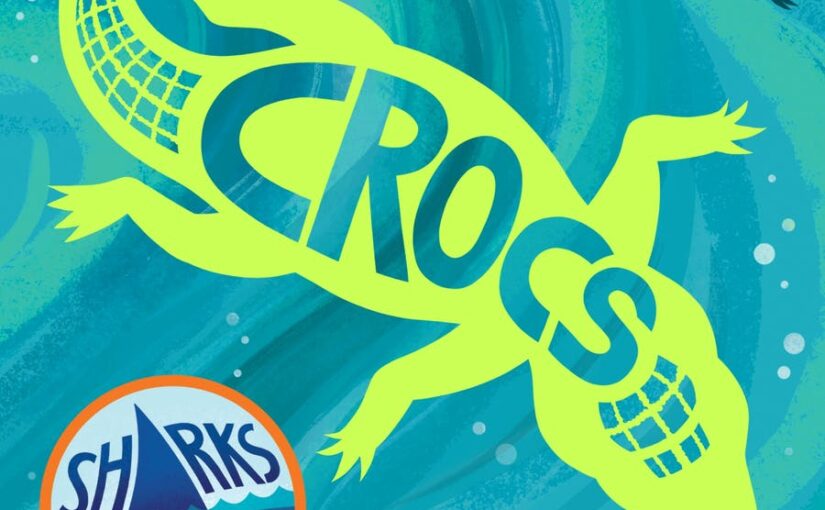
Crocs, a Sharks Inc. book that effortlessly hooks readers 9 and up

Upper elementary school readers and older want to be respected, and-to an extent, challenged when they read for fun. There comes a point when elementary and middle school readers become aware of the fact that the books that they read are a direct reflection of who they are. They’ve got the staples that most of them are reading in fourth and fifth, with a few brave souls venturing out to discover something unique. That funnel opens up much more in middle school. Crocs is our first encounter with a book in the Sharks Inc. book series by New York Times-Bestselling author Randy Wayne White. It checks off so many columns in what ages nine through 15 are looking for in a great fiction book that it resembles a dog’s shopping list at the meat market.

Crocs is realistic fiction that’s loaded with action and smarts that very few in this genre can match. It’s also jammed with STEM and real-world Florida vibes.
If you love to read, you’ll love this book

It Takes Guts makes reading about the body fueling process fun

It Takes Guts, How Your Body Turns Food Into Fuel (And Poop) is seemingly custom-made for the reading level, humor, patience, and temperament for sixth-grade students. It’s also intelligent enough to be appreciated by those older readers, even those who have no idea what chyme it is. That’s another reason that middle school ages will enjoy It Takes Guts, it’s funny and laden with puns or other learning pneumonic devices. The puns in the book are so sublime that some readers won’t even get them, but they’ll know that they’re there to make the book more palatable.

It Takes Guts How Your Body Turns Food Into Fuel reads like a graphic novel at times due to its friendly text, paired with clever art. This book is great entertainment and knowledge for ages 11 and up.
Fun biology middle school Stem you seek?
Copy Protected by Chetan's WP-Copyprotect.